

After being infected in the wake of a violent pandemic and with only 48 hours to live, a father struggles to find a new home for his baby daughter.
After being infected in the wake of a violent pandemic and with only 48 hours to live, a father struggles to find a new home for his baby daughter.
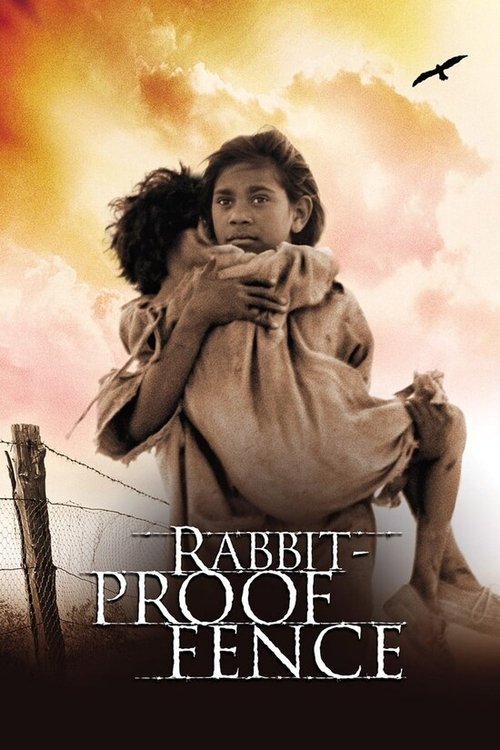
In 1931, three Aboriginal girls escape after being plucked from their homes to be trained as domestic staff, and set off on a trek across the Outback.

Ex TV personality, Chris Masterman, becomes stranded in an Outback town outside Alice Springs. There, he teams up with 12-year-old Indigenous girl Charlie. The pair form an unlikely friendship and work together to rescue and rehabilitate orphaned joeys in the remote but stunning Outback community—an endeavour that proves to be life-changing for them both.
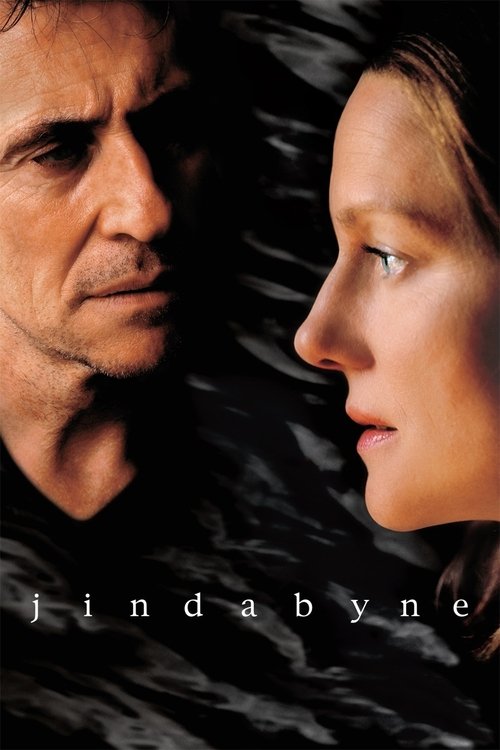
Outside the Australian town of Jindabyne, local man Stuart Kane is on a fishing trip with friends when they discover the body of a murdered girl.

Join a grassroots collective of volunteers as they search Winnipeg’s Red River and its banks for clues to find out what happened to their missing family and friends. The documentary demonstrates the devastating experience of searching for a loved one who didn't come home with profundity and humanity.

Two Aboriginal brothers are put in a hard situation by a miner who kills a man for gold. Based on real events.

Jindalee Lady tells the story of a young Aboriginal woman sets out to build a career in the fashion industry. It is an urban love triangle involving an Aboriginal fashion designer, her white music executive husband and an Aboriginal cinematographer. It is considered the first feature film ever directed by an indigenous person in Australia.

Concerns a young boy's mystical experiences during his Confirmation. As the ceremony unfolds, figures from religion and mythology appear and impress on him the need to become a soldier of Christ.

Director Clint Alberta takes us on a hilarious and bittersweet journey into the hearts and minds of some very ordinary, extraordinary young Canadians. Clint, taking on the role of Clint Star, seeks out his far-flung buddies, young Natives like himself. They talk about sex and life... love and abuse... 500 years of oppression--with humour, grace and courage. Deep Inside Clint Star explores issues of identity, sexuality and intimacy, while retaining the creative and playful style of a director who is not afraid of turning the camera on himself. This engaging documentary will draw you out of yourself and deep inside Clint Star.

The world knows the image of the good Canadian. But what if there was a dark secret behind a national identity? THE GOOD CANADIAN exposes the truth behind the idea of a True North strong and free. In this unflinching and eye-opening documentary, directors Leena Minifie and David Paperny move us through the corridors of systemic inequity, from the Indian Act to residential schools, to modern-day family separation. Fusing shocking footage with detailed interviews with experts, advocates, whistleblowers and politicians, THE GOOD CANADIAN challenges national myth-making, while offering Canadians the chance to forge a new identity from the truth.

From the remote Australian desert to the opulence of Buckingham Palace - Namatjira Project is the iconic story of the Namatjira family, tracing their quest for justice.
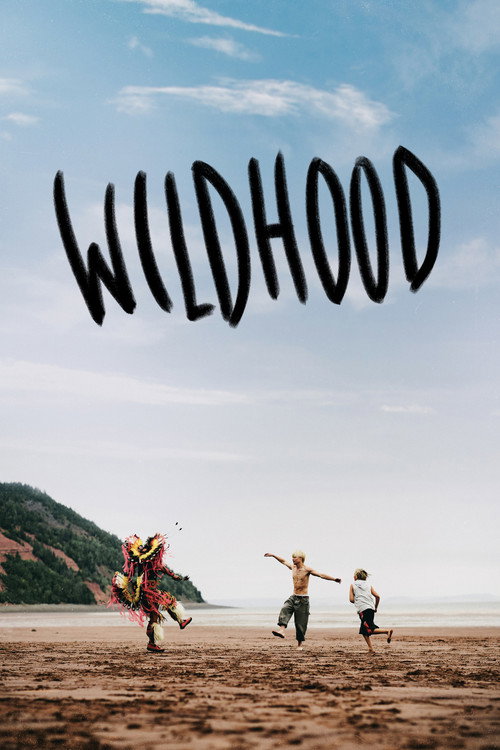
Link and his brother flee their abusive father and embark on a journey where Link discovers his sexuality and rediscovers his Mi’kmaw heritage.

Take a breathtaking train a ride through Nothern Quebec and Labrador on Canada’s first First Nations-owned railway. Come for the celebration of the power of independence, the crucial importance of aboriginal owned businesses and stay for the beauty of the northern landscape.

A sentimental adventure about the Mapuche people, also called "Araucanians" by the Spanish colonizers, as they inhabited the historic region called "Arauco", "Araucanía" or also named "Wallmapu" by Mapuche indigenous organizations. The plot develops around the protagonist, who loses her son and her husband

In this follow-up to his 2003 film, Totem: the Return of the G'psgolox Pole, filmmaker Gil Cardinal documents the events of the final journey of the G'psgolox Pole as it returns home to Kitamaat and the Haisla people, from where it went missing in 1929.

Ray Lorkin, chief lawman in the tiny rural settlement of Wala Wala, Australia, fears that long-simmering tensions between the area's aborigine natives and white settlers are on the verge of erupting. When it's discovered that Kate, the white wife of local schoolteacher Les, has despoiled a sacred site by secretly meeting her aborigine lover, Tony, there, a shocking murder threatens to rip the small town apart.

A portrait of an albino Aboriginal teenager, her feelings of alienation while at a convent boarding school, and her dreams of escape.

In a small country town, a trio of unlikely friends – Percy Boy, Keithy Cobb and Daisy Hawkins – band together to take the local school sports day title from a group of grade five bullies. But as Percy Boy trains with the help of his mates, he then discovers his supernatural ability to see lost souls – a gift passed down from his grandfather. Percy Boy must overcome his fears, prove his resilience and become a force to be reckoned with.

takayna / Tarkine in northwestern Tasmania is home to one of the last undisturbed tracts of Gondwanan rainforest in the world, and one of the highest concentrations of Aboriginal archaeology in the hemisphere. Yet this place, which remains largely as it was when dinosaurs roamed the planet, is currently at the mercy of destructive extraction industries, including logging and mining. Weaving together the conflicting narratives of activists, locals and Aboriginal communities, and told through the experiences of a trail running doctor and a relentless environmentalist, this documentary, presented by Patagonia Films, unpacks the complexities of modern conservation and challenges us to consider the importance of our last truly wild places.

Xapiri is a Yanomami term that characterizes the shamans, male spirits (xapiri thëpë) and also auxiliary spirits (xapiri pë). Xapiri is an experimental film about Yanomami shamanism that was filmed during a meeting of 37 shamans at the Watoriki Reserve, Roraima, in March of 2011. The film was designed to take into account two different notions of image: those of the Yanomami and ours. Therefore, it does not set out to explain shamanism, its methods or procedures, but to allow different cultures to visualize and feel the way in which the shamans “embody” the spirits, their bodies and voices.