

When Dr. Indiana Jones – the tweed-suited professor who just happens to be a celebrated archaeologist – is hired by the government to locate the legendary Ark of the Covenant, he finds himself up against the entire Nazi regime.
When Dr. Indiana Jones – the tweed-suited professor who just happens to be a celebrated archaeologist – is hired by the government to locate the legendary Ark of the Covenant, he finds himself up against the entire Nazi regime.
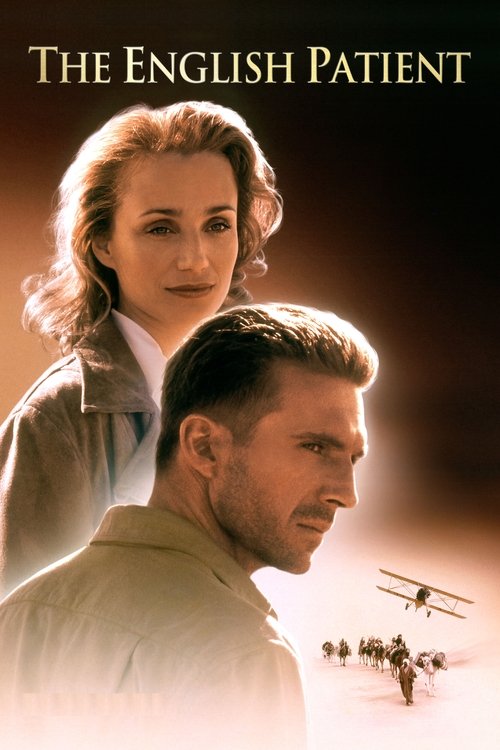
In the 1930s, Count Almásy is a Hungarian map maker employed by the Royal Geographical Society to chart the vast expanses of the Sahara Desert along with several other prominent explorers. As World War II unfolds, Almásy enters into a world of love, betrayal, and politics.

Russian and British submarines with nuclear missiles on board both vanish from sight without a trace. England and Russia both blame each other as James Bond tries to solve the riddle of the disappearing ships. But the KGB also has an agent on the case.
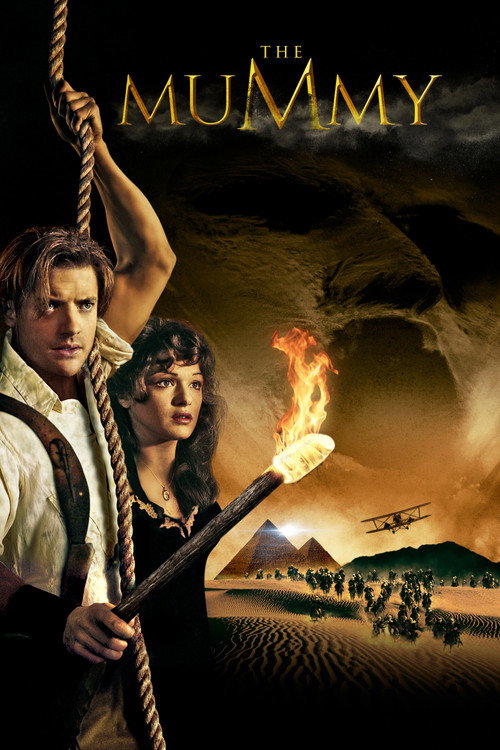
Dashing legionnaire Rick O'Connell stumbles upon the hidden ruins of Hamunaptra while in the midst of a battle to claim the area in 1920s Egypt. It has been over three thousand years since former High Priest Imhotep suffered a fate worse than death as a punishment for a forbidden love—along with a curse that guarantees eternal doom upon the world if he is ever awoken.
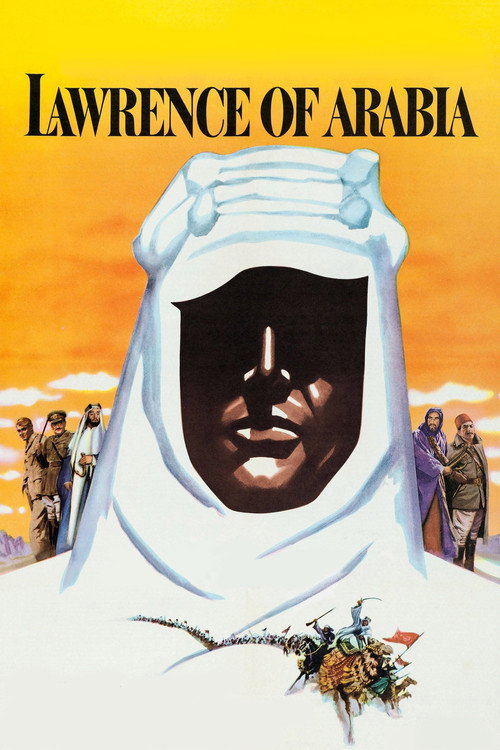
During World War I, English officer Thomas Edward 'T.E.' Lawrence sets out to unite and lead the diverse, often warring, Arab tribes to fight the Turks.

A Texas congressman sets a series of events in motion when he conspires with a CIA operative to aid Afghan mujahideen rebels fighting the Soviets.

When North Korean ruler Kim Jong-il orchestrates a global terrorist plot, it's up to the heavily armed, highly specialized Team America unit to stop his dastardly scheme. The group, which has recruited troubled Broadway actor Gary Johnston, not only has to face off against Jong-il, but they must also contend with the Film Actors Guild, a cadre of Hollywood liberals at odds with Team America's 'policing the world' tactics.

Popular animated hero Asterix and his faithful sidekick Obelix travel to ancient Egypt to help Cleopatra build a new summer home. Cleopatra and Julius Caesar have made a bet, with Caesar wagering the project cannot be completed in a few weeks time. With the help of a magic potion, Asterix comes to the rescue of the Queen of the Nile as Caesar and an angry architect plot against them.
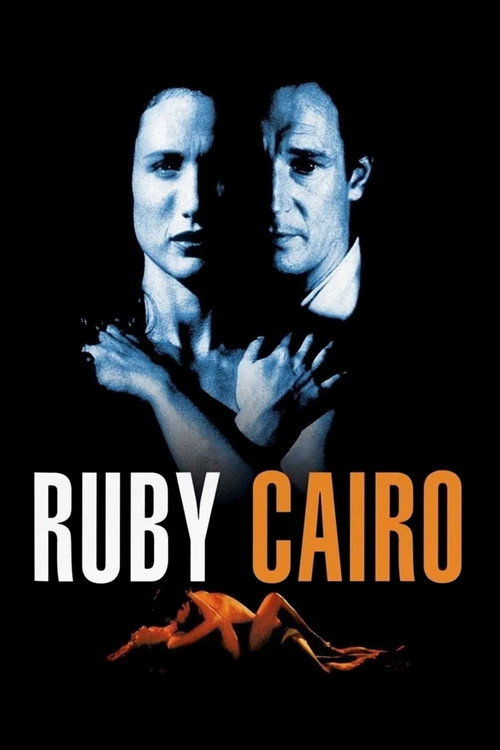
Baseball cards and a food-aid worker help a woman follow her shady husband's money trail around the world.
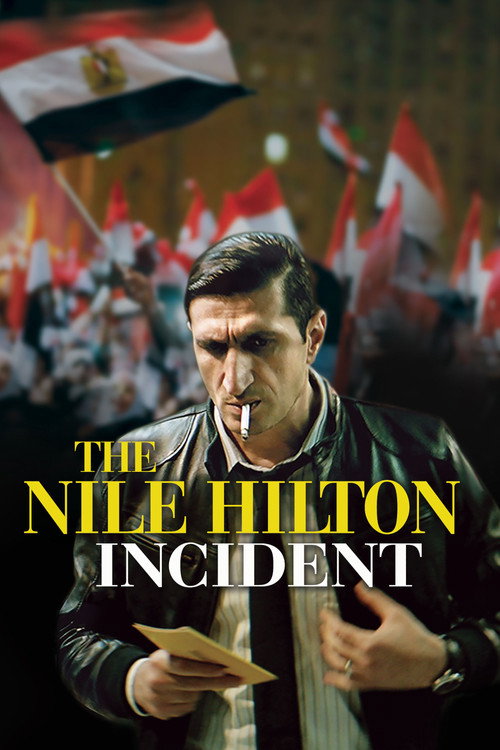
Cairo, 2011. A police officer investigates the murder of a woman in a luxurious hotel in the days leading up to the Egyptian revolution.

Set in 1955, French secret agent Hubert Bonisseur de La Bath/OSS 117 is sent to Cairo to investigate the disappearance of his best friend and fellow spy Jack Jefferson, only to stumble into a web of international intrigue.

Fisher, an ex-detective, decides to take one final case when a mysterious serial killer claims the lives of several young girls. Fisher, unable to find the culprit, turns to Osbourne, a writer who was once respected for his contributions to the field of criminology. Fisher begins to use Osbourne's technique, which involves empathizing with serial killers; however, as the detective becomes increasingly engrossed in this method, things take a disturbing turn.

In Cairo on her own as she waits for her husband, Juliette finds herself caught in a whirlwind romance with his friend Tareq, a retired cop. As Tareq escorts Juliette around the city, they find themselves in the middle of a brief affair that catches them both unawares.

Egyptologist Erica Baron finds more than she bargained for during her long-planned trip to The Land of the Pharoahs - murder, theft, betrayal, love, and a mummy's curse!

In 2013, in Cairo, a tragic fate brings together several detainees from different political and social backgrounds inside a police truck, during the turmoil that followed the ousting of president Morsi.

In a contemplative coming of age portrait, PINBALL follows Yosef, a spirited athlete, in Louisville, Kentucky as he dives into the memories of his journey from Iraq to America and what it means to chase his dreams in the shadow of a war that displaced his family from their Iraqi homeland.

An Egyptian living and working in Pittsburgh, Pennsylvania, reflects on his new surroundings through a series of images and observations. The resulting montage is a poignant cinematic postcard that explores the contradictory nature of the immigrant experience: at once lonely, frightening, and exhilarating.

That old theatrical war-horse Bella Donna (previously filmed in America by Alla Nazimova) was resurrected by Britain's Twickenham Studios in 1934. Conrad Veidt stars as sinister Egyptian Mahmoud Baroundi, who even before the film gets under way has left a long trail of ruined women behind him. His latest victim is American girl Mona Chepstow (Mary Ellis), whom Baroundi treats like dirt and makes her like it. The plot centers around a murder by poison, as evidenced by the film's deliberately exotic title. Critics in 1934 praised newcomer Mary Ellis for underplaying her role, but many film fans preferred Nazimova's arm-waving histrionics in the earlier version.

A documentary that explores the life of one of the world's most populated cities from its streets. Shot in 2009-2012 (before and during the Egyptian revolution, and ending with the most recent presidential elections), the film explores the country's collective identity, inherent struggles, and the sentiments that lead through the historic changes taking place in Egypt today. For his third documentary, Egyptian/ American filmmaker Sherief Elkatsha rides through the congested streets alongside a diverse cast of characters-from taxi drivers to ambulances, from traffic cops to private citizens-capturing the unspoken codes of conduct, frustrations, humor, fatalism, and life-or-death decisions of driving in a city where the only rule is: there are no rules.

A Brooklyn postal worker follows her Egyptian boyfriend to Cairo where she takes belly-dancing lessons from a legendary but disgraced Egyptian dancer.