Post-credit scenes: results for “tag: congo”

Image for The Good Shepherd (2006), a film with no post-credit data.

Edward Wilson, the only witness to his father's suicide and member of the Skull and Bones Society while a student at Yale, is a morally upright young man who values honor and discretion, qualities that help him to be recruited for a career in the newly founded OSS. His dedication to his work does not come without a price though, leading him to sacrifice his ideals and eventually his family.

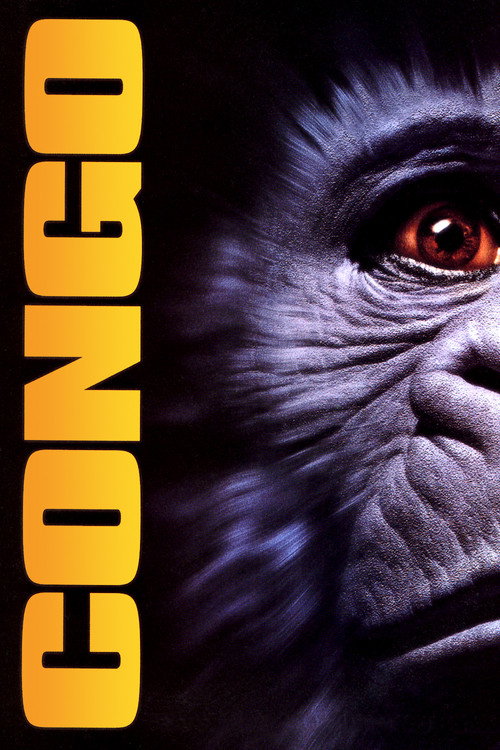
Poster for Congo (1995). Never been answered.

Eight people embark on an expedition into the Congo, a mysterious expanse of unexplored Africa, where human greed and the laws of nature have gone berserk.

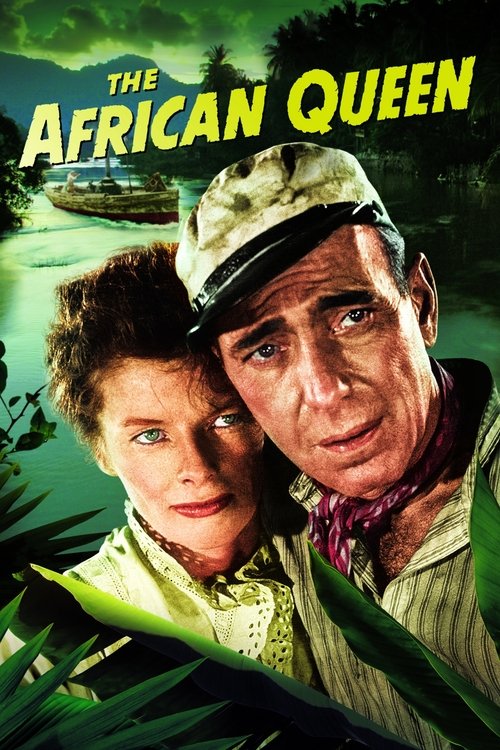
Poster for The African Queen (1952), blank on post-credit scenes.

At the start of the First World War, in the middle of Africa’s nowhere, a gin soaked riverboat captain is persuaded by a strong-willed missionary to go down river and face-off a German warship.

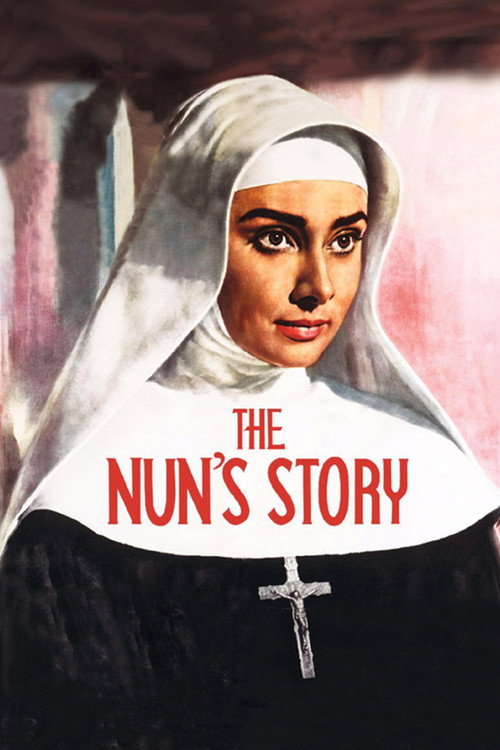
Image for The Nun's Story (1959), a film with no post-credit data.

After leaving a wealthy Belgian family to become a nun, Sister Luke struggles with her devotion to her vows during crisis, disappointment, and World War II.

Congo Boy (2026) poster. The count is still zero.

Bangui, Central African Republic. 17 year-old Robert dreams of a career in music, but civil war is tearing the country apart. When both his parents are thrown into prison, he is left to look after his four younger siblings on his own, juggling daily life, odd jobs, school exams and concert stages, determined to follow his dream.

Dark of the Sun (1968) artwork. Still a mystery after the credits.

A band of mercenaries led by Captain Curry travel through war-torn Congo across deadly terrain, battling rival armies, to steal $50 million in uncut diamonds. But infighting, sadistic rebels and a time lock jeopardize everything.

Burnt Earth (1934) poster image. Zero votes so far.

A visual travel diary on the expedition led by Brondeel in 1934. This expedition to Belgian Congo, by truck, became a testimony to the social conditions of Africans during the colonial era.

Heart of Darkness. Nobody has said whether there is anything after the credits.

Based on Joseph Conrad's novel, Marlow captains a leaky steamboat up the River Congo in search of a mysterious figure named Kurtz who has carved out a brutal kingdom in which he has power of life and death over his native subjects.

Key art for The Vocation (1974), unanswered on the post-credit question.

Sven Nykvist, best known as Ingmar Bergman cinematographer, made this film as a tribute to his father who was a missionary in Kongo in the early 20th century. The story of his father Gustav Natanael Nykvist is told through his own photos, letters, and films. Director & cinematographer: Sven Nykvist. Narrators in the English dubbed version: Liv Ullmann & Sean Connery. Produced by Ingmar Bergman (Cinematograph AB). Digitally restored in 2022.

Image for Empire of Dust (2011), a film with no post-credit data.

Lao Yang is head of logistics of the group. He is responsible for the equipment, building materials and food (mainly chickens) to arrive in the isolated Chinese prefab camp. The Congolese government was supposed to deliver these things but so far the team hasn't received anything. With Eddy (a Congolese man who speaks Mandarin fluently) as an intermediate, Lao Yang is forced to leave the camp and deal with local Congolese entrepreneurs, because without the construction materials the road works will cease. What follows is an endless, harsh, but absurdly funny roller coaster of negotiations and misunderstandings, as Lao Yang learns about the Congolese way of making deals.

Poster for Africa Blood and Guts (1966), awaiting its first vote.

A chronicle of the violence that occurred in much of the African continent throughout the 1960s. As many African countries were transitioning from colonial rule to other forms of government, violent political upheavals were frequent. Revolutions in Zanzibar and Kenya in which thousands were killed are shown, the violence not only political; there is also extensive footage of hunters and poachers slaughtering different types of wild animals.

Movie art for King Leopold's Ghost (2006), post-credit scene unknown.

The modern history of the Congo, the heart of Africa, is a terrifying tale of appalling brutality: how the greedy and incredibly ruthless King Leopold II of Belgium (1935-1909) turned a vast country into his private estate (1885-1908) and how he plundered the land and raped the bodies and souls of its defenceless inhabitants, causing countless victims; and what exactly is the true impact of this often forgotten story of crime and horror today.

Movie poster for Lumumba (2000), waiting for its first vote.

The true story of the rise to power and brutal assassination of the formerly vilified and later redeemed leader of the independent Congo, Patrice Lumumba. Using newly discovered historical evidence, Haitian-born and later Congo-raised writer and director Raoul Peck renders an emotional and tautly woven account of the mail clerk and beer salesman with a flair for oratory and an uncompromising belief in the capacity of his homeland to build a prosperous nation independent of its former Belgian overlords. Lumumba emerges here as the heroic sacrificial lamb dubiously portrayed by the international media and led to slaughter by commercial and political interests in Belgium, the United States, the international community, and Lumumba's own administration; a true story of political intrigue and murder where political entities, captains of commerce, and the military dovetail in their quest for economic and political hegemony.

Poster art for Operation Leopard (1980), an open question on post-credit scenes.

In May 1978, the mining town of Kolwezi in Katanga, Zaire (now Democratic Republic of Congo, the former Belgian Congo) is under attack from a group of communist guerillas coming from nearby Angola. The Europeans who work for the Belgian mining company and the Blacks who live in the town are taken as hostages by the invaders, who start a blood bath, shooting Europeans as well as Africans. Many of the Europeans being French, the French decide to organize a counter-attack, and to send a Regiment of Paratroopers from the Foreign Legion. The movie follows the stories of Delbart, a former non-commissioned officer, who was about to go back to France with his African wife and his child, Damrémont, who was Delbart's replacement, Bia, a Zairian doctor, and Annie, an American married to a Belgian engineer as well as Non com Legion officer Federico and the French Ambassador and the Military Attaché.

Privacy policy

When you vote, we save your Yes or No answer and when you voted.

We use a cookie and your internet address to recognize your vote on each movie. This prevents repeat votes. The cookie lasts for five years.

Your votes are kept as part of the movie totals.