

A 12-year-old boy searches for the one thing that will enable him to win the affection of the girl of his dreams. To find it he must discover the story of the Lorax, the grumpy yet charming creature who fights to protect his world.
A 12-year-old boy searches for the one thing that will enable him to win the affection of the girl of his dreams. To find it he must discover the story of the Lorax, the grumpy yet charming creature who fights to protect his world.

After a Black Friday riot ends in tragedy, a mysterious Thanksgiving-inspired killer terrorizes Plymouth, Massachusetts - the birthplace of the holiday. Picking off residents one by one, what begins as random revenge killings are soon revealed to be part of a larger, sinister holiday plan.
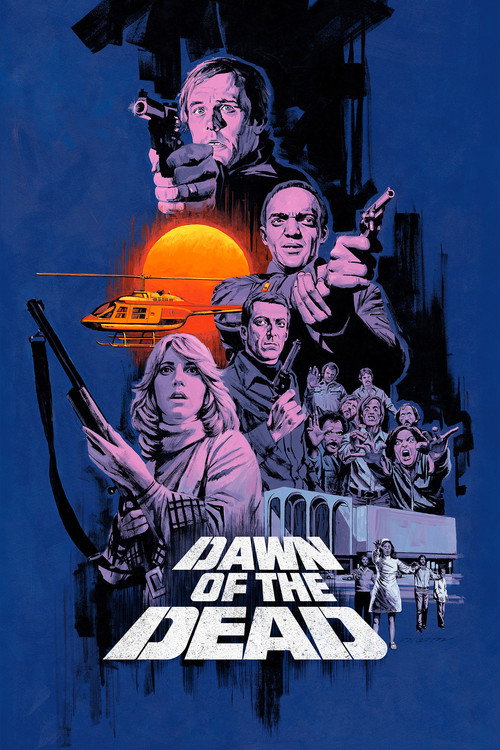
During an ever-growing epidemic of zombies that have risen from the dead, two Philadelphia SWAT team members, a traffic reporter, and his television-executive girlfriend seek refuge in a secluded shopping mall.

An actor who is considering the role of a supermarket manager arrives at a grocery store on the outskirts of Los Angeles to do some field research. He subsequently becomes stranded, without a car or cell phone, and accepts a ride home with Scarlet, a cashier who is about to interview for a new job. The actor rediscovers the essence of his craft while helping Scarlet gain the confidence she needs to change her life.

A down and out young punk gets a job working with a seasoned repo man, but what awaits him in his new career is a series of outlandish adventures revolving around aliens, the CIA, and a most wanted '64 Chevy.

Big money artists and mega-collectors pay a high price when art collides with commerce. After a series of paintings by an unknown artist are discovered, a supernatural force enacts revenge on those who have allowed their greed to get in the way of art.

Two boys beg their parents for a television set, nagging them until all patience is lost. The parents order the boys to be quiet and the boys do exactly that--refusing to utter a word. The boys' silence ultimately puts the whole neighborhood into turmoil.

The streetscapes of contemporary Indian metros are largely dominated by products. The bazaar expands into all other parts of the city and claims a large percentage of the available public space. The vast majority of the local shops is lacking the facility of a shop window. Instead, their architecture can be described as a garage style, windowless, rectangular box, open to the front. Stepping into such a shop can be like entering a complete new world: Many of them are literally filled with products galore up to the ceiling. The product itself serves as the interior design. Every day hundreds of busses with thousands of shop owners and their family members come from the surrounding villages and small towns into the city. Especially during the rush hours the market gets overrun by an avalanche of customers who seem to enjoy their high-density shopping experience. Shopping galore. Products galore. Profits galore.

This subversive documentary unpacks the tricks brands use to keep their customers consuming — and the real impact they have on our lives and the world.

Problems arise for Antonio Magnano when he is unable to consummate his marriage to the beautiful Barbara Puglisi and his virility is called into question. Despite the fact that he loves his beautiful wife and they have otherwise been happily married for a year, his problem becomes a source of contention for all concerned.

Film from Andrew Morgan. The True Cost is a documentary film exploring the impact of fashion on people and the planet.

Logistics or Logistics Art Project is an experimental art film. At 51,420 minutes (857 hours or 35 days and 17 hours), it is the longest movie ever made. A 37 day-long road movie in the true sense of the meaning. The work is about Time and Consumption. It brings to the fore what is often forgotten in our digital, ostensibly fast-paced world: the slow, physical freight transportation that underpins our economic reality.

An alcoholic, abusive ne'er-do-well is shown the error of his ways through a legend that dooms the last person to die on New Year's Eve before the clock strikes twelve to take the reins of Death's chariot and work tirelessly collecting fresh souls for the next year.

Shinsuke Kujo is a chair craftsman who lures people into his apartment and murders them to use the body parts for constructing a chair. Kato, a representative of a chair company, finds his website on social media and suggests a meeting. She's quickly enamored with him both professionally and personally, unaware of his true nature as a serial killer.

A documentary that focuses on Hayao Miyazaki’s deep connection to nature and the environmental themes expressed through his films.
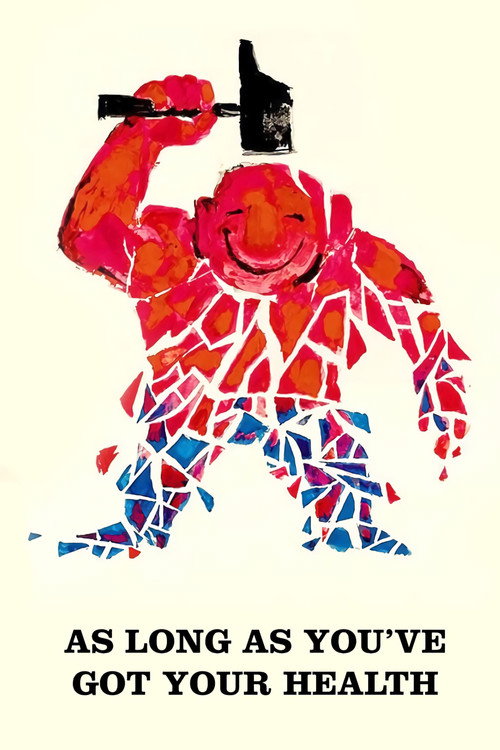
An anthology film consisting of four stories. (1) A man reads a Dracula novel while in bed, but cannot seem to tell the novel from reality, causing sleep troubles. (2) A man cannot escape the absurd ads he saw at the movie theater that day. (3) A polluted and construction-ridden town keeps everybody on edge, sending one man to the doctor. (4) A hunter, a farmer and a couple on a picnic unknowingly cause continuous trouble for one another.

A business man buys a house, but he has a hard time trying to get rid of its previous tenant, a dirty bum.

Miss Piggy hosts her own variety show, with special guests John Ritter, George Hamilton and Tony Clifton (Andy Kaufman). Under the direction of Kermit the Frog, the Muppets work in the control room and, amidst chaos, manage to keep the show on the air. Throughout the show, a romantic triangle develops among Piggy, Ritter (who is smitten with the pig) and Hamilton (who is deeply uncomfortable with the star's romantic inclinations).

A critique of liquid love through sarcasm and crude humor. With the desire that the viewer empathize with the protagonists and reflect on the ephemerality of sexual-affective relationships in modern society. At the end of the short film, the transformation of people into mere consumer goods will be clear, which, once they have been used, are discarded

A young woman experiences shopping compulsion in a world where everything is very easy to acquire... until her money runs out!