

Frances Haugen, a young Facebook engineer, enlists the help of Jeff Horwitz, a Wall Street Journal reporter, to go on a dangerous journey that ends up blowing the whistle on the social network's most guarded secrets.
Frances Haugen, a young Facebook engineer, enlists the help of Jeff Horwitz, a Wall Street Journal reporter, to go on a dangerous journey that ends up blowing the whistle on the social network's most guarded secrets.

The defense and the prosecution have rested and the jury is filing into the jury room to decide if a young Spanish-American is guilty or innocent of murdering his father. What begins as an open and shut case soon becomes a mini-drama of each of the jurors' prejudices and preconceptions about the trial, the accused, and each other.

Two gangsters seek revenge on the state jail worker who during their stay at a youth prison sexually abused them. A sensational court hearing takes place to charge him for the crimes.

Defense attorney Martin Vail takes on jobs for money and prestige rather than any sense of the greater good. His latest case involves an altar boy, accused of brutally murdering the archbishop of Chicago. Vail finds himself up against his ex-pupil and ex-lover, but as the case progresses and the Church's dark secrets are revealed, Vail finds that what appeared a simple case takes on a darker, more dangerous aspect.

When Pete and Ellie decide to start a family, they stumble into the world of foster care adoption. They hope to take in one small child but when they meet three siblings, including a rebellious 15 year old girl, they find themselves speeding from zero to three kids overnight.

When cocky military lawyer Lt. Daniel Kaffee and his co-counsel, Lt. Cmdr. JoAnne Galloway, are assigned to a murder case, they uncover a hazing ritual that could implicate high-ranking officials such as shady Col. Nathan Jessep.
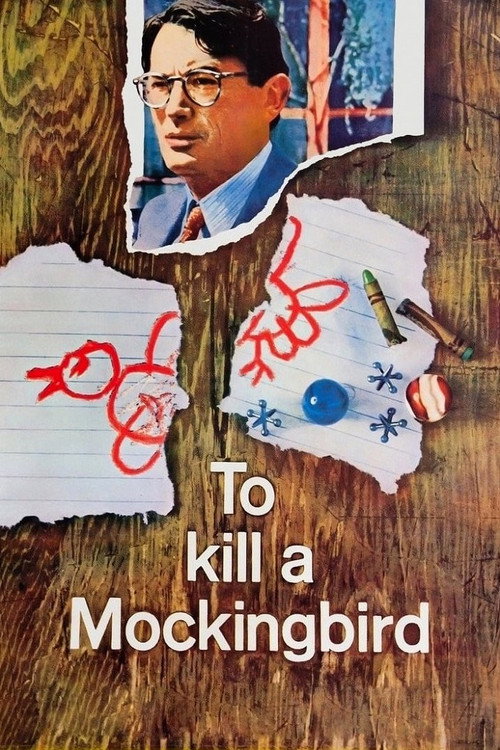
Scout Finch, 6, and her older brother Jem live in sleepy Maycomb, Alabama, spending much of their time with their friend Dill and spying on their reclusive and mysterious neighbor, Boo Radley. When Atticus, their widowed father and a respected lawyer, defends a black man named Tom Robinson against fabricated rape charges, the trial and tangent events expose the children to evils of racism and stereotyping.
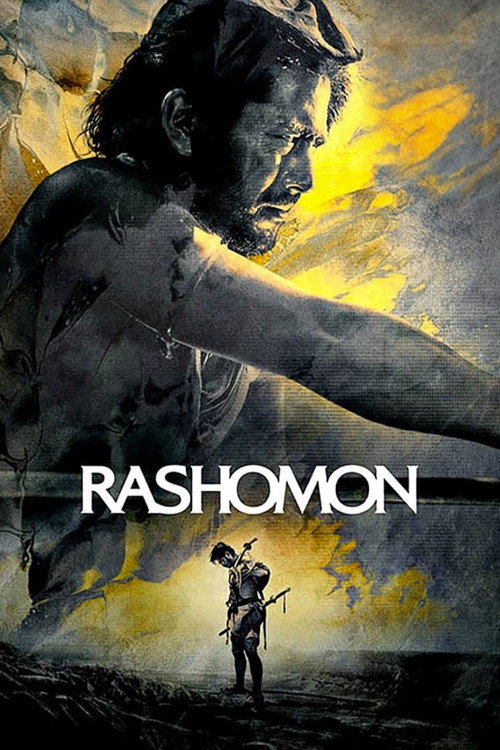
Four people recount different versions of the story of a man's murder and the rape of his wife.

Libby Parsons, wrongly convicted of her husband Nick's murder, thinks he is still alive. She survives the long years in prison with two burning desires sustaining her -- finding her son and solving the mystery that destroyed her once-happy life. Standing between her and her quest, however, is her parole officer, Travis Lehman. Libby poses a challenge to the cynical officer, one that forces him to face up to his own failings while pitting him against his superior and law enforcement colleagues, as she plunges into a desperate fight for justice, survival, and revenge.

When teen-socialite Kelly Van Ryan and troubled bad girl Suzie Toller accuse guidance counselor Sam Lombardo of rape, he's suspended by the school, rejected by the town, and fighting to get his life back. One cop suspects conspiracy, but nothing is what it seems...
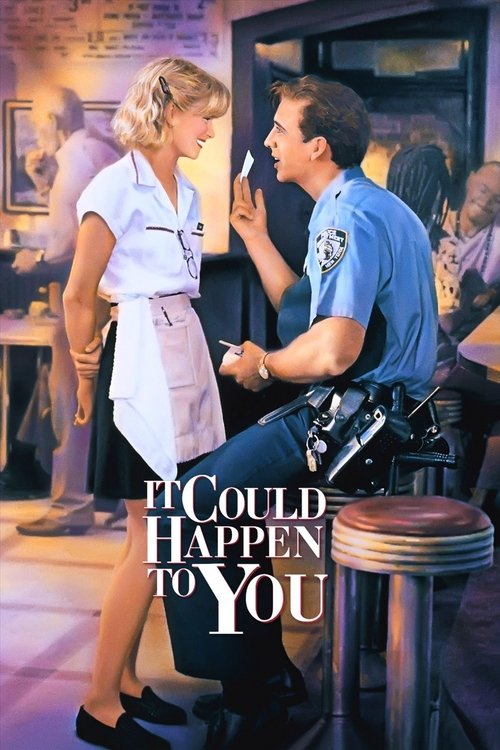
Charlie Lang is a simple, kindhearted New York City cop. When he realizes he has no money to tip waitress Yvonne Biasi, Lang offers her half the winnings of his lottery ticket. Amazingly, the ticket happens to be a winner, in the sum of $4 million. True to his word, Lang proceeds to share the prize money with Biasi, which infuriates his greedy wife, Muriel. Not content with the arrangement, Muriel begins scheming to take all the money.

Two carefree pals traveling through rural Alabama on their way back to college are mistakenly arrested and charged with murder. Fortunately, one of them has a cousin who's a lawyer - Vincent Gambini, a former auto mechanic from Brooklyn who has just passed his bar exam after his sixth try. When he arrives with his leather-clad girlfriend to try his first case, it's a real shock - for him and the Deep South!

Sara and Brian live an idyllic life with their young son and daughter. But their family is rocked by sudden, heartbreaking news that forces them to make a difficult and unorthodox choice in order to save their baby girl's life. The parents' desperate decision raises both ethical and moral questions and rips away at the foundation of their relationship. Their actions ultimately set off a court case that threatens to tear the family apart, while revealing surprising truths that challenge everyone's perceptions of love and loyalty and give new meaning to the definition of healing.

After years of war, the Federation and the Klingon empire find themselves on the brink of a peace summit when a Klingon ship is nearly destroyed by an apparent attack from the Enterprise. Both worlds brace for what may be their deadliest encounter.

Fresh out of law school and desperate for work, idealistic rookie Rudy Baylor takes on a powerful insurance company accused of denying a dying boy’s claim. Teaming up with a scrappy, unlicensed paralegal, he finds himself in a David-versus-Goliath courtroom battle that tests his ethics, courage, and belief in justice.

A classic of the silent age, this film tells the story of the doomed but ultimately canonized 15th-century teenage warrior. On trial for claiming she'd spoken to God, Jeanne d'Arc is subjected to inhumane treatment and scare tactics at the hands of church court officials. Initially bullied into changing her story, Jeanne eventually opts for what she sees as the truth. Her punishment, a famously brutal execution, earns her perpetual martyrdom.

Larry Flynt is the hedonistically obnoxious, but indomitable, publisher of Hustler magazine. The film recounts his struggle to make an honest living publishing his girlie magazine and how it changes into a battle to protect the freedom of speech for all people.
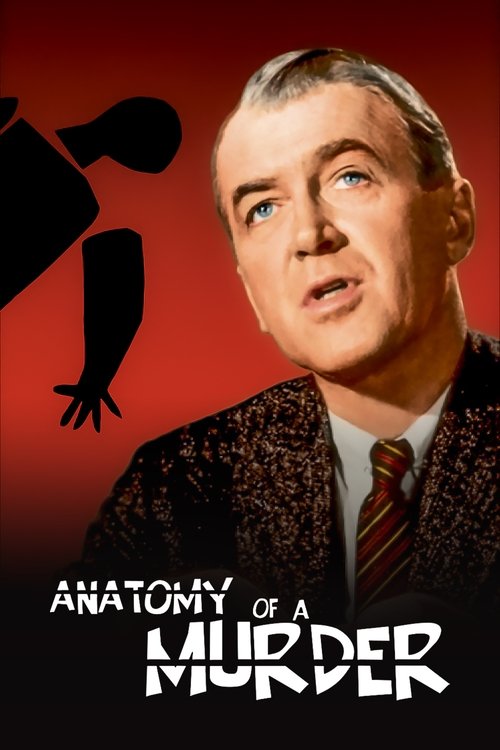
Semi-retired Michigan lawyer Paul Biegler takes the case of Army Lt. Manion, who murdered a local innkeeper after his wife claimed that he raped her. Over the course of an extensive trial, Biegler parries with District Attorney Lodwick and out-of-town prosecutor Claude Dancer to set his client free, but his case rests on the victim's mysterious business partner, who's hiding a dark secret.

In 1947, four German judges who served on the bench during the Nazi regime face a military tribunal to answer charges of crimes against humanity. Chief Justice Haywood hears evidence and testimony not only from lead defendant Ernst Janning and his defense attorney Hans Rolfe, but also from the widow of a Nazi general, an idealistic U.S. Army captain and reluctant witness Irene Wallner.

A hot-shot lawyer is hired by a Hong Kong chemical plant to dispose of opposition to their polluting ways. But when he falls for a beautiful woman out to stop the plant, he is torn in a conflict of interest and asks his trusty friends Samo and Biao to help out at least until they discover the true purpose of the plant.