Post-credit scenes: results for “tag: courtesan”

Poster for Moulin Rouge! (2001). Never been answered.

A celebration of love and creative inspiration takes place in the infamous, gaudy and glamorous Parisian nightclub, at the cusp of the 20th century. A young poet, who is plunged into the heady world of Moulin Rouge, begins a passionate affair with the club's most notorious and beautiful star.

Cover image for Gigi (1958), not yet voted on.

A home, a motorcar, servants, the latest fashions: the most eligible and most finicky bachelor in Paris offers them all to Gigi. But she, who's gone from girlish gawkishness to cultured glamour before our eyes, yearns for that wonderful something money can't buy.

Poster, Dangerous Beauty (1998). Nobody has voted on this one.

Veronica is brilliant, gifted and beautiful, but the handsome aristocrat she loves, Marco Venier, cannot marry her because she is penniless and of questionable family. So Veronica's mother, Paola, teaches her to become a courtesan, one of the exotic companions favored by the richest and most powerful Venetian men. Veronica courageously uses her charms to change destiny -- and to give herself a chance at true love.

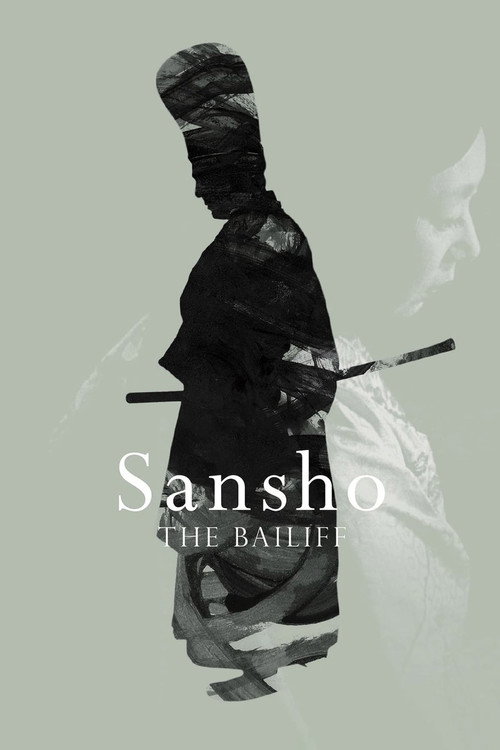
Key art for Sansho the Bailiff (1954), unanswered on the post-credit question.

In 11th-century feudal Japan, following the exile of an idealistic governor, his wife and children are separated by slave traders; the children, Zushio and Anju, are sold into brutal servitude under the cruel bailiff Sansho.

Movie poster for Lola Montès (1955), waiting for its first vote.

Lola Montes, previously a great adventuress, is reduced to being the attraction of a circus after having been the lover of various important men.

Poster art for That Hamilton Woman (1941), an open question on post-credit scenes.

The story of courtesan and dance-hall girl Emma Hamilton, including her relationships with Sir William Hamilton and Admiral Horatio Nelson and her rise and fall, set during the Napoleonic Wars.

The Egyptian (1954) cover. Nothing recorded about its credits.

In eighteenth-dynasty Egypt, Sinuhe, a poor orphan, becomes a brilliant physician and with his friend Horemheb is appointed to the service of the new Pharoah. Sinuhe's personal triumphs and tragedies are played against the larger canvas of the turbulent events of the 18th dynasty. As Sinuhe is drawn into court intrigues he learns the answers to the questions he has sought since his birth.

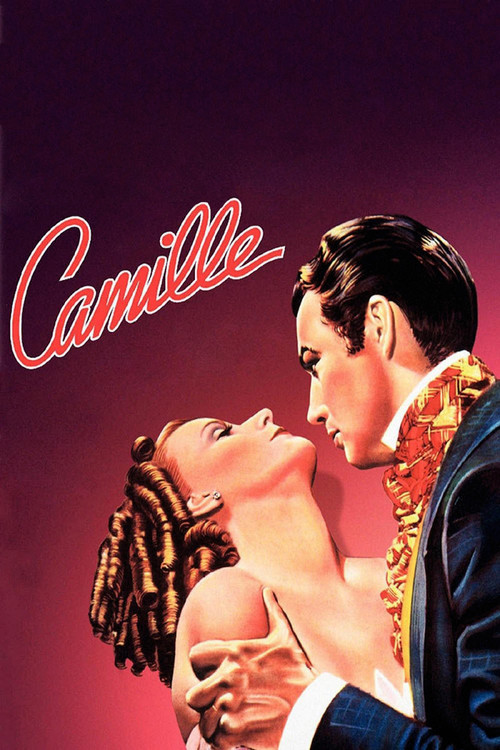
Poster for Camille (1936), awaiting its first vote.

Life in 1847 Paris is as spirited as champagne and as unforgiving as the gray morning after. In gambling dens and lavish soirees, men of means exert their wills and women turned courtesans exult in pleasure. One such woman is Marguerite Gautier, who begins a sumptuous romance with Armand Duval.

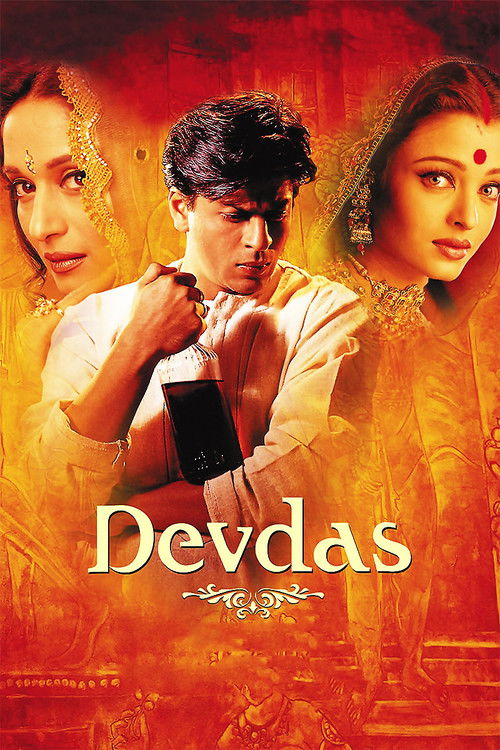
Devdas (2002): nobody has checked the credits yet.

In 1900s India, Calcuttan zamindar Devdas Mukherjee — unable to marry his lover — takes up alcohol and the company of a courtesan to alleviate the pain.

Cover image for Maria Montessori (2023), not yet voted on.

Set in 1900, Lili d’Alengy, a Parisian cocotte at the height of her fame, flees Paris to hide her “idiot” daughter. There she meets Maria Montessori, who is pioneering a teaching method that may help the child.

Poster, Flowers of Shanghai (1998). Nobody has voted on this one.

At the end of the 19th century, Shanghai is divided into several foreign concessions. In the British concession, a number of luxurious “flower houses” are reserved for the male elite of the city. Since Chinese dignitaries are not allowed to frequent brothels, these establishments are the only ones that these men can visit. They form a self-contained world, with its own rites, traditions and even its own language. The men don’t only visit the houses to frequent the courtesans but also to dine, smoke opium, play mahjong and relax. The women working there are known as the “flowers of Shanghai”.

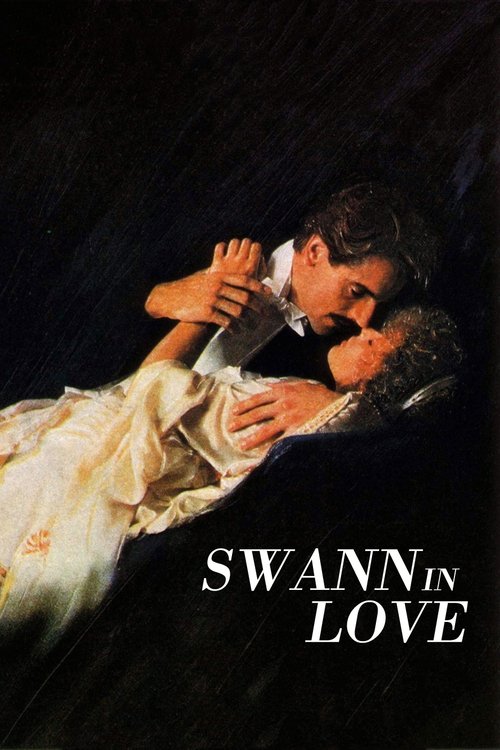
Poster, Swann in Love (1984). Nobody has voted on this one.

In Belle Époque Paris, a 19th-century Parisian aristocrat falls in love with a lower-class prostitute who seduces him but never loves him.

Poster for Camille (1921), blank on post-credit scenes.

Camille is a courtesan in Paris. She falls deeply in love with a young man of promise, Armand Duval. When Armand's father begs her not to ruin his hope of a career and position by marrying Armand, she acquiesces and leaves her lover. However, when poverty and terminal illness overwhelm her, Camille discovers that Armand has not lost his love for her.

Movie poster for Cousin Bette (1998), waiting for its first vote.

In 19th century Paris, Bette Fischer, a poor and homely spinster, forms an alliance with the seductive courtesan Valerie Marneffe to orchestrate revenge on her handsome and wealthy relatives.

Film poster, Holy Whore. No post-credit verdict yet.

Weaving past and present, modern-day courtesan Carmine moves from prostitution and drug addiction into a healing journey that leads her to become a sex therapist. Ultimately, she reclaims her vocation as a sex worker as her chosen path for healing others.

Camille (1917) artwork. Still a mystery after the credits.

Camille is a courtesan in Paris. She falls deeply in love with a young man of promise, Armand Duval. When Armand's father begs her not to ruin his hopes of a career and position by marrying Armand, she acquiesces and leaves her lover. However, when poverty and terminal illness overwhelm her, Camille discovers that Armand has not lost his love for her.

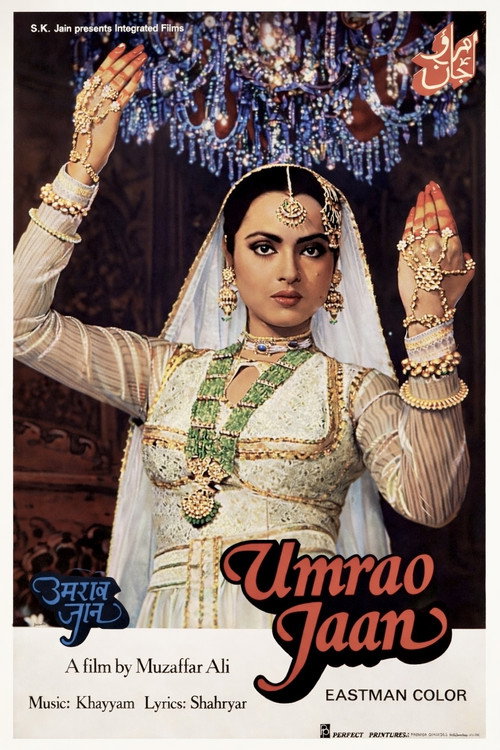
Poster for Umrao Jaan (1981), blank on post-credit scenes.

Amiran is sold to a brothel by a corrupt cop after her father testifies against him. Many years later, she grows up to be an accomplished poetess and a renowned courtesan, Umrao Jaan.

Privacy policy

When you vote, we save your Yes or No answer and when you voted.

We use a cookie and your internet address to recognize your vote on each movie. This prevents repeat votes. The cookie lasts for five years.

Your votes are kept as part of the movie totals.