
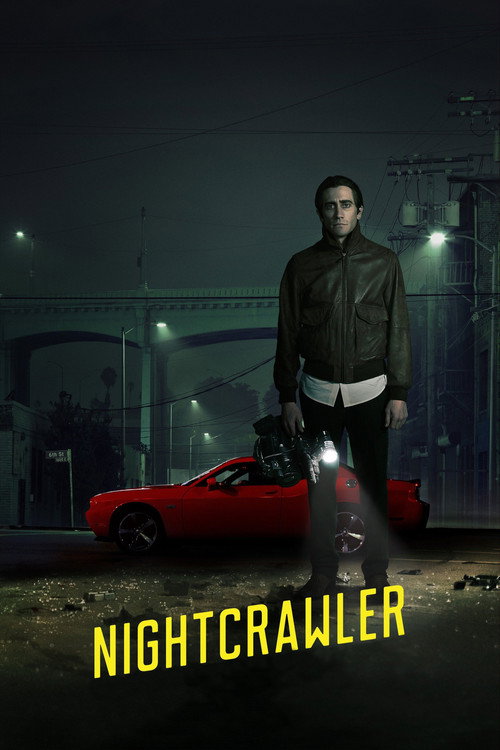
When Lou Bloom, desperate for work, muscles into the world of L.A. crime journalism, he blurs the line between observer and participant to become the star of his own story. Aiding him in his effort is Nina, a TV-news veteran.
When Lou Bloom, desperate for work, muscles into the world of L.A. crime journalism, he blurs the line between observer and participant to become the star of his own story. Aiding him in his effort is Nina, a TV-news veteran.

Aspiring Florida defense lawyer Kevin Lomax accepts a job at a New York law firm. With the stakes getting higher every case, Kevin quickly learns that his boss has something far more evil planned.

A paranoid, secretive surveillance expert has a crisis of conscience when he suspects that the couple he is spying on will be murdered.

An ambitious lobbyist faces off against the powerful gun lobby in an attempt to pass gun control legislation.

Alma is a scientist coerced into participating in an extraordinary study in order to obtain research funds for her work. For three weeks, she has to live with a humanoid robot tailored to her character and needs, whose artificial intelligence is designed to be the perfect life partner for her. Enter Tom, a machine in human form in a class of its own, created solely to make her happy.
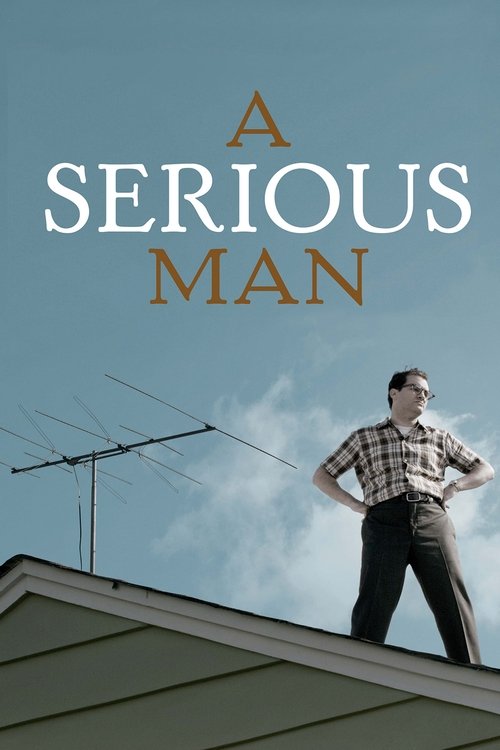
It is 1967, and Larry Gopnik, a physics professor at a quiet Midwestern university, has just been informed by his wife Judith that she is leaving him. He scrambles to find a semblance of meaning as he loses control of nearly every aspect of his life.
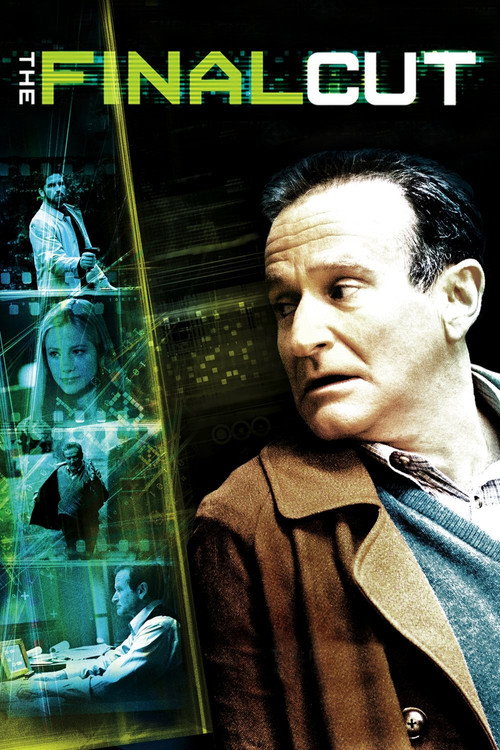
Set in a world with memory implants, Alan Hakman is a 'cutter'—someone with the power of final edit over people's recorded histories—but his latest assignment puts him in great danger.

When his partner is killed in the line of duty, Artie Lewis becomes the legal guardian of his three orphaned girls. But during his investigation of the case, Lewis finds his life – and that of his newfound family – on the line. That's when the guilty crime-lord comes face to face with one man's rage, one man's fury, one man's justice.

William Hundert is a passionate and principled Classics professor who finds his tightly-controlled world shaken and inexorably altered when a new student, Sedgewick Bell, walks into his classroom. What begins as a fierce battle of wills gives way to a close student-teacher relationship, but results in a life lesson for Hundert that will still haunt him a quarter of a century later.

When a Danish family finds themselves on a holiday island, in the midst of the first major refugee crisis in Europe in our time, our northern European, well-intentioned, humanistic values are put to the test.
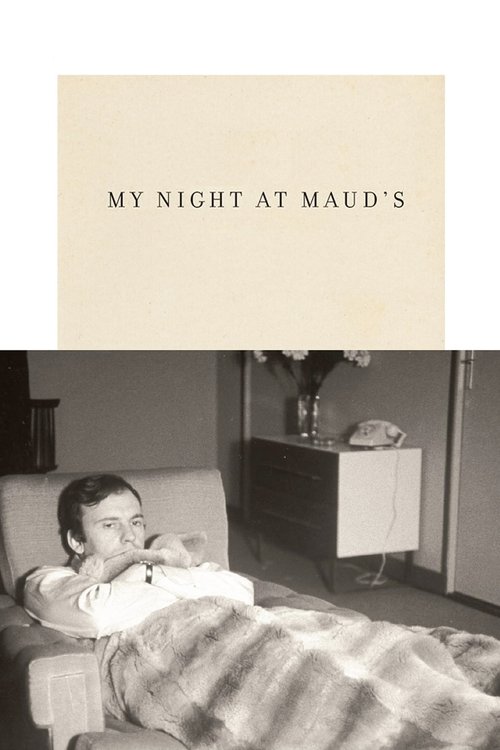
Devout Roman Catholic Jean-Louis subscribes to an austere moral code influenced by the philosophy of 17th-century physicist Blaise Pascal. When he spots a pretty girl at church, he promises to one day marry her. But then an old friend introduces him to alluring divorcee Maud. After a conversation about love and credo, the chaste Jean-Louis spends the night at Maud's, conflicted about his desires.

With dreams of colonising Mars and beyond, billionaires such as Elon Musk or Jeff Bezos are fuelling a boom in the space industry. But many criticise the pollution and resources needed for such an endeavour. By promising humanity’s survival through an escape into space, New Space may be contributing to the destruction of our planet.

Engineer Johnny Munroe is enlisted to build a railroad tunnel through a mountain to reach mines. His task is complicated, and his ethics are compromised, when he falls in love with his boss's daughter

A journey into the labyrinthine heart of ideology, which shapes and justifies both collective and personal beliefs and practices: with an infectious zeal and voracious appetite for popular culture, Slovenian philosopher and psychoanalyst Slavoj Žižek analyzes several of the most important films in the history of cinema to explain how cinematic narrative helps to reinforce prevailing ethics and political ideas.

The year is 1890 and Bible professor Russell Carlisle has written a new manuscript entitled "The Changing Times". His colleague, Dr. Norris Anderson, believes that what Carlisle has written could greatly affect the future of coming generations and, using his secret time machine, Anderson sends Carlisle over 100 years into the future, offering him a glimpse of where his beliefs will lead.

Mateo Melgarejo is a notary public and scribe for the illiterate people of Santo Domingo, a neighborhood north of Mexico City's Zócalo. A squatter friend asks for his help in negotiating with the land census bureau to regularize a land title. After a great deal of frustration with the government bureaucracy, he writes a letter to the cabinet minister, earning an audience with him. The minister hires Melgarejo to reform the bureau, and the appointee proceeds to lecture the officials on their duties in a democratic society. At the end, he gives up the post, returning to Santo Domingo to help its poor residents.

When a polyamorous trio seems to be living its peaceful everyday life, the arrival of a girl is ready to upset their balance and change their destinies forever.

Science fiction has long anticipated the rise of machine intelligence, and today a new generation of self-learning computers has begun to reshape every aspect of our lives. Will A.I. usher in an age of unprecedented potential, or prove to be our final invention?

Genetics professor Adam Slope clones his wife Dawn after she dies in a fire but the woman he creates is different than the woman he loved, so he tries over and over, in a desperate attempt to get her back exactly as she was.

Kenzo Okuzaki, a 62-year-old anarchist veteran of the New Guinea campaign in World War II, sets out to conduct interviews with survivors and relatives to find the truth behind atrocities committed by Japanese military, in particular the unexplained killing of two Japanese privates in his unit.