Post-credit scenes: results for “tag: first nations”

Cover image for Johnny Tootall (2005), not yet voted on.

Discharged from Bosnian war, Johnny carries the weight of this war on his shoulders. He left the war with a dark and frightening secret, the murder of a young boy that haunts him. But Johnny carries many demons. The death of his father, running from his destiny as Chief of the Band and abandoning the love of his life. Nevertheless, Johnny must return home, the wolf spirit has called. Upon his return, he finds a new war. His estranged brother is leading his people in a revolt to save their sacred land. Johnny faces a dilemma; does he fight to save his people, or does he save himself? His journey will guide him to realizing that they are the same. In a blink, his world changes and in death, his brother guides him on a spirit walk to meet his destiny as leader of his people.

Poster art for Blood Quantum (2019), an open question on post-credit scenes.

The dead are coming back to life outside the isolated Mi'kmaq reserve of Red Crow, except for its Indigenous inhabitants who are strangely immune to the zombie plague.

Invincible Spirit (2026). Nobody has said whether there is anything after the credits.

In the heart of the Goulburn Murray, the Rumbalara Football and Netball Club stands as a modern-day fortress of Yorta Yorta pride, a sanctuary of cultural healing where a community fights not just for points, but for the safety and dignity of its children.

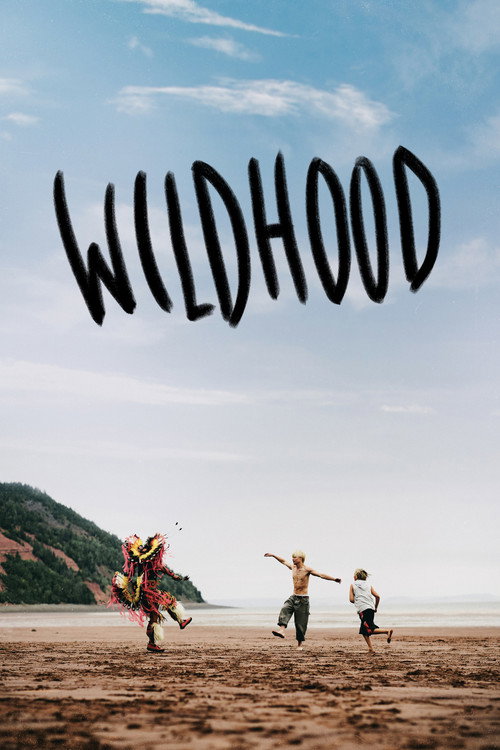
Film artwork for Wildhood (2022), no verdict on the credits.

Link and his brother flee their abusive father and embark on a journey where Link discovers his sexuality and rediscovers his Mi’kmaw heritage.

There's Something in the Water (2019) poster image. Zero votes so far.

Elliot Page brings attention to the injustices and injuries caused by environmental racism in his home province, in this urgent documentary on Indigenous and African Nova Scotian women fighting to protect their communities, their land, and their futures.

Poster, Kainai (1973). Nobody has voted on this one.

On the Kainai (Blood) First Nations Reserve, near Cardston, Alberta, a hopeful new development in Indigenous enterprise. Once rulers of the western plains, the Bloods live on a 1 300-square-kilometer reserve. Many have lacked gainful employment and now pin their hopes on a pre-fab factory they have built. Will the production line and work and wages fit into their cultural pattern of life? The film shows how it is working and what the owners themselves say about their venture.

Ikwe (1986). Nobody has said whether there is anything after the credits.

A young Ojibwa girl from 1770 marries a Scottish fur trader and leaves home for the shores of Georgian Bay. Although the union is beneficial for her tribe, it results in hardship and isolation for Ikwe. Values and customs clash until, finally, the events of a dream Ikwe once had unfold with tragic clarity.

Nuxalk Radio (2020) poster. Still unanswered: is there a scene after the credits?

A day in the life of 91.1, Nuxalk Radio, a radio station built to help keep the Nuxalk language alive while broadcasting the laws of the lands and waters.

Cover image for Haida Carver (1964), not yet voted on.

On Canada's Pacific coast this film finds a young Haida artist, Robert Davidson, shaping miniature totems from argillite, a jet-like stone. The film follows the artist to the island where he finds the stone, and then shows how he carves it in the manner of his grandfather, who taught him the craft.

Ghosts (2022). Nobody has said whether there is anything after the credits.

Three Kiowa boys attempt to escape a government boarding school in 1891, Oklahoma.

Poster, Kissed by Lightning (2009). Nobody has voted on this one.

Mavis Dogblood is a Mohawk painter from Canada haunted by the tragic death of her husband, who was hit by lightning. She paints the stories he used to tell her, but she can’t come to grips with her loss. It is only after she drives to New York City for an art opening, traveling across what were her ancestors’ tribal lands, that Mavis reconciles herself to her new life.

Key art for The Good Canadian (2025), unanswered on the post-credit question.

The world knows the image of the good Canadian. But what if there was a dark secret behind a national identity? THE GOOD CANADIAN exposes the truth behind the idea of a True North strong and free. In this unflinching and eye-opening documentary, directors Leena Minifie and David Paperny move us through the corridors of systemic inequity, from the Indian Act to residential schools, to modern-day family separation. Fusing shocking footage with detailed interviews with experts, advocates, whistleblowers and politicians, THE GOOD CANADIAN challenges national myth-making, while offering Canadians the chance to forge a new identity from the truth.

Movie art for Meadowlarks (2025), post-credit scene unknown.

The film tells the story of four Cree siblings, Connie, Marianne, Gwen, and Anthony, separated as babies through Canada’s notorious Sixties Scoop, which saw indigenous children taken from their homes to be adopted by white families. Excited and curious, but also scared and afraid of rejection, they agree to meet for the first time over a holiday weekend in the mountains of Banff.

Poster art for Haida Modern (2019), an open question on post-credit scenes.

In the 50 years since he carved his first totem pole, Robert Davidson has come to be regarded as one of the world’s foremost modern artists. Charles Wilkinson (Haida Gwaii: On the Edge of the World) brings his trademark inquisitiveness and craftsmanship to this revealing portrait of an unassuming living legend. Weaving together engaging interviews with the artist, his offspring, and a host of admirers, Haida Modern extols the sweeping impact of both Davidson’s artwork and the legions it’s inspired.

s-yéwyáw: Awaken (2023). Nobody has said whether there is anything after the credits.

Stories of hope and homecoming intersect as Indigenous multimedia changemakers learn and document the teachings of their Elders. Ecko Aleck of the Nlaka'pamux Nation (Lytton, BC,) Alfonso Salinas of the shíshálh Nation (Sunshine Coast, BC,) and Charlene SanJenko of Splatsin of the Secwépemc Nation (Shuswap, BC,) are learning and documenting the traditional cultural teachings and legacies of their Elders, including the impacts of genocide resulting from Canada's Indian Residential School (IRS) system. Calling the audience's attention to the filmmaking process of narrative collaboration between an Indigenous and settler team, this character-driven documentary connects the transformative stories of three Indigenous multimedia changemakers and their four Elders. Infused by Indigenous ceremony, s-yéwyáw: Awaken walks alongside the process of intergenerational healing.

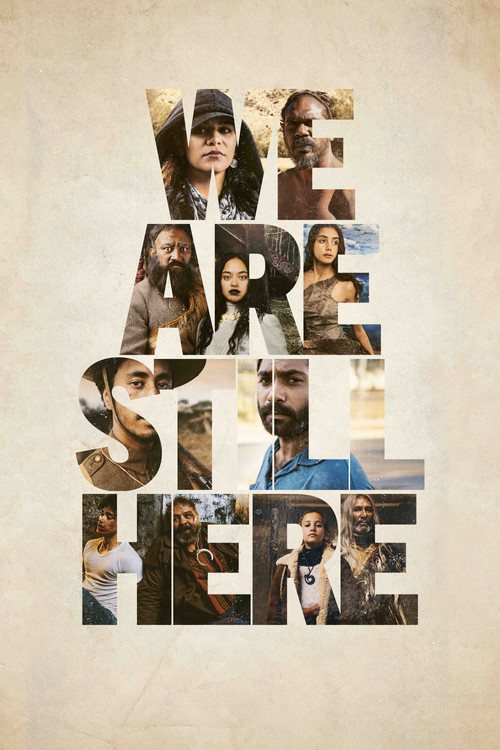
Poster for We Are Still Here (2023). No votes yet on whether it has a post-credit scene.

In a sweeping tale that spans 1000 years and multiple generations – from the distant past to the 19th century, the present day and a strange, dystopian future – this landmark collection traces the collective histories of Indigenous peoples across Australia, New Zealand and the South Pacific. Diverse in perspective, content and form, traversing the terrain of grief, love and dispossession, they each bear witness to these cultures’ ongoing struggles against patriarchy, colonialism and racism.

Film artwork for Clearcut (1991), no verdict on the credits.

A white lawyer finds his values shaken when he is paired with an angry Indigenous activist who insists on kidnapping the head of a logging company to teach him the price of his destruction.

Privacy policy

When you vote, we save your Yes or No answer and when you voted.

We use a cookie and your internet address to recognize your vote on each movie. This prevents repeat votes. The cookie lasts for five years.

Your votes are kept as part of the movie totals.