Post-credit scenes: results for “tag: globalization”

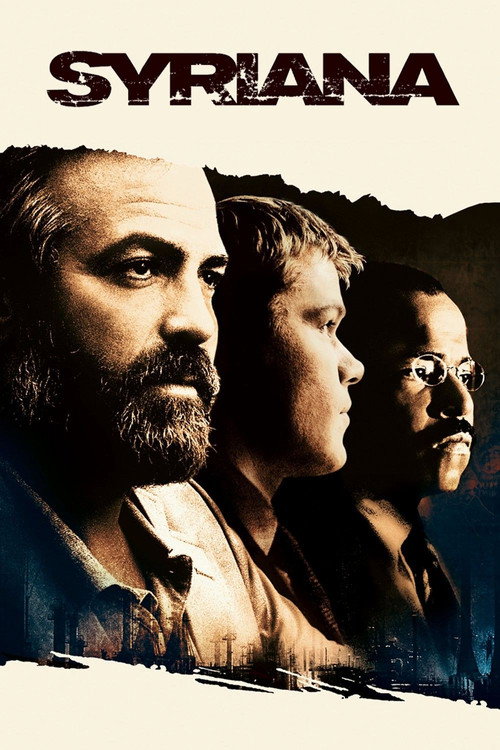
Poster for Syriana (2005). Never been answered.

The Middle Eastern oil industry is the backdrop of this tense drama, which weaves together numerous story lines. Bennett Holiday is an American lawyer in charge of facilitating a dubious merger of oil companies, while Bryan Woodman, a Switzerland-based energy analyst, experiences both personal tragedy and opportunity during a visit with Arabian royalty. Meanwhile, veteran CIA agent Bob Barnes uncovers an assassination plot with unsettling origins.

Inside Job (2010) artwork. Still a mystery after the credits.

A film that exposes the shocking truth behind the economic crisis of 2008. The global financial meltdown, at a cost of over $20 trillion, resulted in millions of people losing their homes and jobs. Through extensive research and interviews with major financial insiders, politicians and journalists, Inside Job traces the rise of a rogue industry and unveils the corrosive relationships which have corrupted politics, regulation and academia.

Image for BRICS, the Worlds New Masterminds? (2026), a film with no post-credit data.

The BRICS countries now represent half of the world's population and 40% of GDP. Seen by some as an anti-Western coalition and by others as an economic counterweight, the BRICS are gaining momentum in their desire to impose a new world order. For now, they are maneuvering to "de-dollarize" the global economy and rally as many countries in the "global South" as possible to their model. Tomorrow, will they succeed in supplanting Western institutions and values with their parallel organizations, or will Europe manage to rebalance the playing field?

Poster for At War (2018). No votes yet on whether it has a post-credit scene.

After promising 1100 employees that they would protect their jobs, the managers of a factory decide to suddenly close up shop. Laurent takes the lead in a fight against this decision.

Heartland (1989) artwork. Still a mystery after the credits.

This "Play on One" story depicts Jack and his farming family in West Wales. They have built up their dairy herd with vast loans and are then told they must cut back on milk production and slaughter some of the herd. The community launches a campaign against the quotas, but Jack takes the law into his own hands.

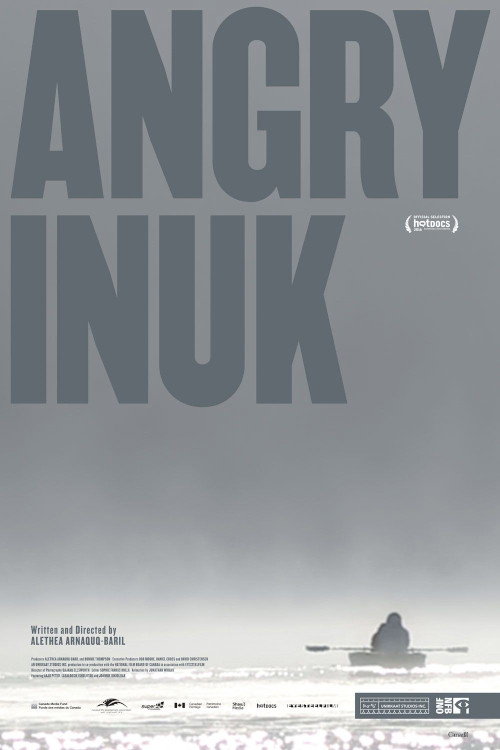
Angry Inuk (2016): nobody has checked the credits yet.

With "sealfies" and social media, a new tech-savvy generation of Inuit is wading into the world of activism, using humour and reason to confront aggressive animal rights vitriol and defend their traditional hunting practices. Director Alethea Arnaquq-Baril joins her fellow Inuit activists as they challenge outdated perceptions of Inuit and present themselves to the world as a modern people in dire need of a sustainable economy.

Poster art for Cocaine: A Colombian Powderkeg (2026), an open question on post-credit scenes.

Cocaine is more widespread than ever before with more regular users and seizures at an all time high. In Colombia, production is booming, and after years of relative calm, extreme violence has come back to the streets with the drug traffickers. This documentary reveals the reality of today’s cocaine trade from production to export.

Poster art for Spain: The First Globalization (2021), an open question on post-credit scenes.

A new reading of the historical period that began with the reign of the Catholic Monarchs (1479-1516) and the discovery of America (1492), as well as an analysis of its undeniable influence on the subsequent evolution of the history of Spain and the world.

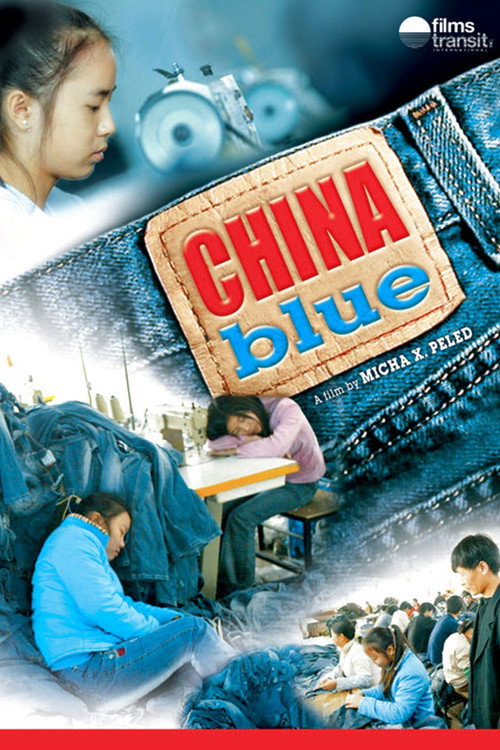
Cover image for China Blue (2011), not yet voted on.

"China Blue" is an engrossing documentary that tells the story of 3 teenage girls who leave their rural homes in China to come work for a factory that makes blue jeans.

Poster for Laboratory Greece (2019). No votes yet on whether it has a post-credit scene.

A journey through Greece and Europe’s past and recent history: from the Second World War to the current crisis. It is a historical documentary, a look into many stories. «If Democracy can be destroyed in Greece, it can be destroyed throughout Europe» Paul Craig Roberts

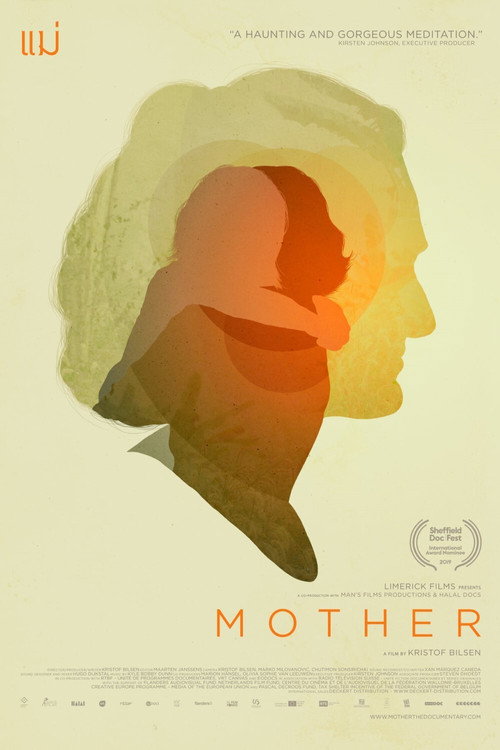
Poster for Mother (2020). Never been answered.

In a village in Thailand, Pomm works in a care center for Europeans with Alzheimer's. While she is separated from her children, she helps Elisabeth during the final stages of her life, as Maya, a new patient, is on her way from Switzerland.

Arise (2013) poster. Still unanswered: is there a scene after the credits?

A film that captures the portraits and stories of extraordinary women around the world who are coming together to heal the injustices against the earth, weaves together poetry, music, art, and stunning scenery to create a hopeful and collective story that inspires us to work for the earth. The list of impassioned, indefatigable female environmental activists featured in this film includes Winona LaDuke, a Native American who has championed the use of solar and wind power on reservations; Theo Colborn, head of The Endocrine Disruption Exchange, who fights against toxic chemicals in our water supplies; Beverly Grant, who’s created a vibrant farmer’s market in a black neighborhood of Denver, Colo.; Dana Miller, who spearheads an “urban agriculture movement” in the same city; and Vandana Shiva, who champions organic farming in India.

Poster, The Take (2004). Nobody has voted on this one.

In suburban Buenos Aires, thirty unemployed ceramics workers walk into their idle factory, roll out sleeping mats and refuse to leave. All they want is to re-start the silent machines. But this simple act - the take - has the power to turn the globalization debate on its head. Armed only with slingshots and an abiding faith in shop-floor democracy, the workers face off against the bosses, bankers and a whole system that sees their beloved factories as nothing more than scrap metal for sale.

Cover image for Absolut (2005), not yet voted on.

Two guys against globalization want to plant a virus in the network of a finance corporation. On the day of the attack Alex has an accident and cannot remember anything. Visions and reality are thrown together in a confusing maze. Alex tries to escape from this muddle but what he discovers turns out to be rather frightening…

Key art for Mondovino (2004), unanswered on the post-credit question.

Mondovino (in Italian: World of Wine) is a documentary film on the impact of globalization on the world's different wine regions written and directed by American film maker Jonathan Nossiter. It was nominated for the Palme d'Or at the 2004 Cannes Film Festival and a César Award. The film explores the impact of globalization on the various wine-producing regions, and the influence of critics like Robert Parker and consultants like Michel Rolland in defining an international style. It pits the ambitions of large, multinational wine producers, in particular Robert Mondavi, against the small, single estate wineries who have traditionally boasted wines with individual character driven by their terroir.

We Feed the World (2005). Nobody has said whether there is anything after the credits.

A documentary that exposes the shocking truths behind industrial food production and food wastage, focusing on fishing, livestock and crop farming. A must-see for anyone interested in the true cost of the food on their plate.

A Meeting with Milton Santos (2006): nobody has checked the credits yet.

The film deals with the process of globalization based on the thought of geographer Milton Santos, who through his ideas and practices, inspires the debate about Brazilian society and the construction of a new world. Santos discusses his views on the importance of respecting difference and his belief that an alternative globalisation model could wholly enfranchise all citizens of the world. An illustrious presence in 20th century social sciences, the man dubbed as ‘geography’s philosopher’ eloquently elucidates a developing world perspective on the global age.

Poster, Traveling with Maxim Gorkiy (2014). Nobody has voted on this one.

As so often, also here it's rather about allusion than description. This also applies to the persons represented. Flat silhouettes of people. Their heads depicted in profile. Faces with no expression, formal gestures. In the background, a little bit of everyday life: The hard, square, stone architecture arises from ocher-colored, brownish, blackish mush of color or mud. A demonstration of the function of the central perspective. An idealized representation of a tropical paradise. Strangely, there's no absurdity in this.

Privacy policy

When you vote, we save your Yes or No answer and when you voted.

We use a cookie and your internet address to recognize your vote on each movie. This prevents repeat votes. The cookie lasts for five years.

Your votes are kept as part of the movie totals.