Post-credit scenes: results for “tag: harbor”

Poster for Finding Nemo (2003). No votes yet on whether it has a post-credit scene.

Nemo, an adventurous young clownfish, is unexpectedly taken from his Great Barrier Reef home to a dentist's office aquarium. It's up to his worrisome father Marlin and a friendly but forgetful fish Dory to bring Nemo home -- meeting vegetarian sharks, surfer dude turtles, hypnotic jellyfish, hungry seagulls, and more along the way.

Poster for The Ministry of Ungentlemanly Warfare (2024), blank on post-credit scenes.

During World War II, the British Army assigns a group of competent soldiers to carry out a mission against the Nazi forces behind enemy lines... A true story about a secret British WWII organization — the Special Operations Executive. Founded by Winston Churchill, their irregular warfare against the Germans helped to change the course of the war, and gave birth to modern black operations.

Poster art for The Colossus of Rhodes (1961), an open question on post-credit scenes.

While on holiday in Rhodes, Athenian war hero Darios becomes involved in two different plots to overthrow the tyrannical king, one from Rhodian patriots and the other from sinister Phoenician agents.

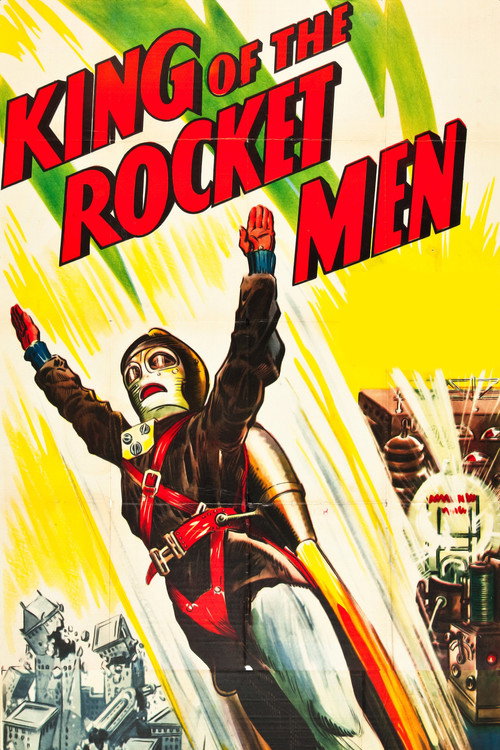
King of the Rocket Men (1949) cover. Nothing recorded about its credits.

Prof. Millard pretends to be dead and helps Jeff King ferret out Vulcan, the evil traitor at the science academy. Donning his Rocket Man costume King goes from one hair raising rescue to the next in order to keep the newly invented Decimator out of the clutches of Vulcan and his minions.

Movie poster for Port of Shadows (1938), waiting for its first vote.

Down a foggy, desolate road to the port city of Le Havre travels Jean, an army deserter looking for another chance to make good on life. Fate, however, has a different plan for him, as acts of both revenge and kindness render him front-page news.

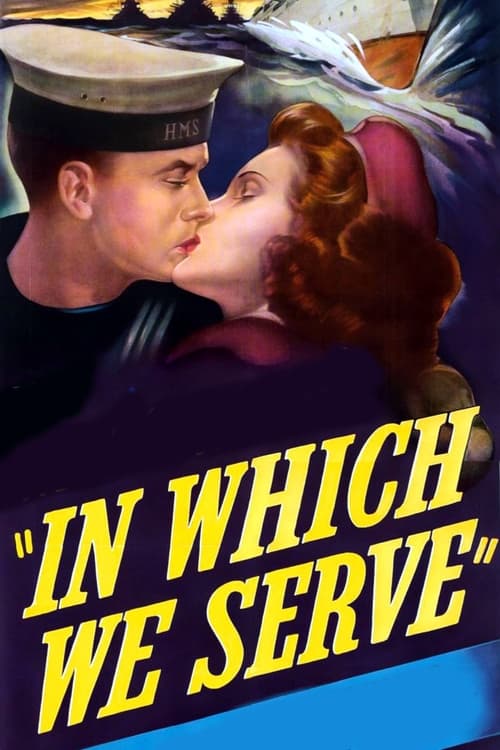
Key art for In Which We Serve (1942), unanswered on the post-credit question.

The story of the HMS Torrin, from its construction to its sinking in the Mediterranean during action in World War II. The ship’s first and only commanding officer is Captain E.V. Kinross, who trains his men not only to be loyal to him and the country, but—most importantly—to themselves.

Movie art for Japanese Girls at the Harbor (1933), post-credit scene unknown.

Set in the port city of Yokohama, two girls, Sunako and Dora who attend a Christian school, pledge to be friends. But when a youth named Henry appears on his motorcycle and offers to take Sunako for a ride, we know that this friendship won't last and that the lives of both girls will change in ways they are barely able to comprehend, and can do little to change.

Poster for Valparaiso (1964), blank on post-credit scenes.

In 1962 Joris Ivens was invited to Chile for teaching and filmmaking. Together with students he made …A Valparaíso, one of his most poetic films. Contrasting the prestigious history of the seaport with the present the film sketches a portrait of the city, built on 42 hills, with its wealth and poverty, its daily life on the streets, the stairs, the rack railways and in the bars. Although the port has lost its importance, the rich past is still present in the impoverished city. The film echoes this ambiguous situation in its dialectical poetic style, interweaving the daily life reality (of 1963) with the history of the city and changing from black and white to colour, finally leaving us with hopeful perspective for the children who are playing on the stairs and hills of this beautiful town.

Film poster, Conflagration (1975). No post-credit verdict yet.

Global South guerrillas hijack the Japanese oil tanker Arabian Light, threatening to blow it up in Tokyo Bay, unless the Cabinet complies with an economically devastating ultimatum.

Image for Will o' the Wisp (1973), a film with no post-credit data.

A rainy evening in the harbor of Antwerp. A man named Laarmans is on his way home even though he doesn't want to. Three lost Eastern sailors are looking for a woman named Maria Van Dam and ask Laermans to show them the way. He decides to help them find this mysterious woman.

Poster for Hong Kong Hot Harbor (1962), awaiting its first vote.

German journalist Peter Holberg arrives in Hong Kong and, by accident, he is carrying a microfilm that was destined to local gang lord, Marek. Peter is helped by another German journalist, Joan Kent, and falls in love with a night-club dancer, Colette. Colette is actually working for Marek, but betrays the gang for love - at the ultimate cost to her. The HK Police will intervene just in time to prevent Peter from further losses.

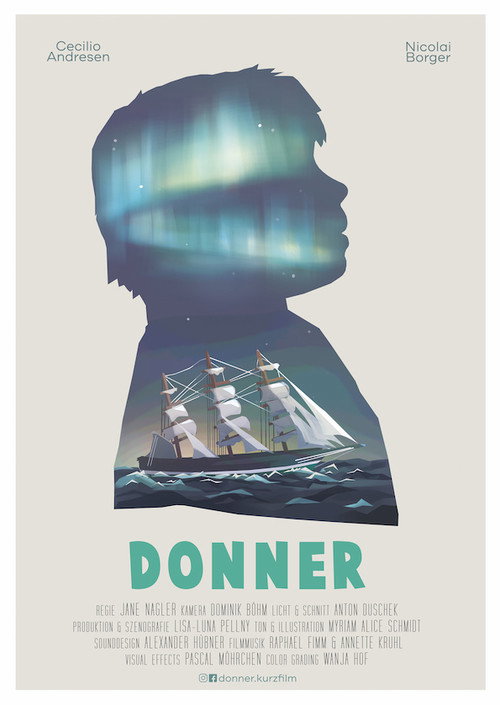
Cover image for Donner, not yet voted on.

After the death of his mother, little Julius throws himself into a fantasy world. He travels with his teddy bear Max to the northern lights - a dream that is supposed to take him back to his deceased mother. The two will never reach their destination. They get caught in a heavy storm that brings them back to reality and forces Julius to face a difficult farewell.

Poster for The Harbor (1992). No votes yet on whether it has a post-credit scene.

After an oil field is discovered nearby the small Dalmatian town of Murvice, the local goverment wastes no time and throws all of the town's expenses towards building an oil tanker harbor. Urged by his wife, a local engineer named Slobodan Despot applies himself for the position of the chief engineer on the project, which her lover uses as an excuse to ruin Despot's reputation. Furious by this reputation and questioning all of his ideas, Despot decides to start an affair with a woman far younger than him.

Movie poster for From Us To Me / Vom Wir zum Ich (1988), waiting for its first vote.

This first co-production between the GDR and Great Britain is intended to contribute to an understanding of the situation and attitudes of millions of working people in opposing social orders. Using the example of shipyard workers, fishermen, the brigade and family of a trade union active cook and unemployed person of various ages and professions in Newcastle on the one hand and a brigade of crane operators of the Warnowwerft and fishermen of the Warnemünde cooperative on the other hand, insights into the way of life and attitudes of people of our time are to be conveyed.

Movie poster for Why Girls Love Sailors (1927), waiting for its first vote.

Stan is a sailor whose girl gets kidnapped by a rough sea captain. Stan dresses in drag and seduces the captain but the captain's wife catches him. Stan and his girl beat a hasty retreat as the captain's wife fires off a parting shot.

Gigant des Nordens (2016) poster image. Zero votes so far.

The port of Hamburg has experienced and survived many things: epidemics, fires and floods, wars and destruction - but always also reconstruction. This documentary tells the story of how a small jetty on the Elbe became the global port we know today over the course of eight centuries. It is the story of one of Europe's largest ports, its people and their ideas.

Privacy policy

When you vote, we save your Yes or No answer and when you voted.

We use a cookie and your internet address to recognize your vote on each movie. This prevents repeat votes. The cookie lasts for five years.

Your votes are kept as part of the movie totals.