
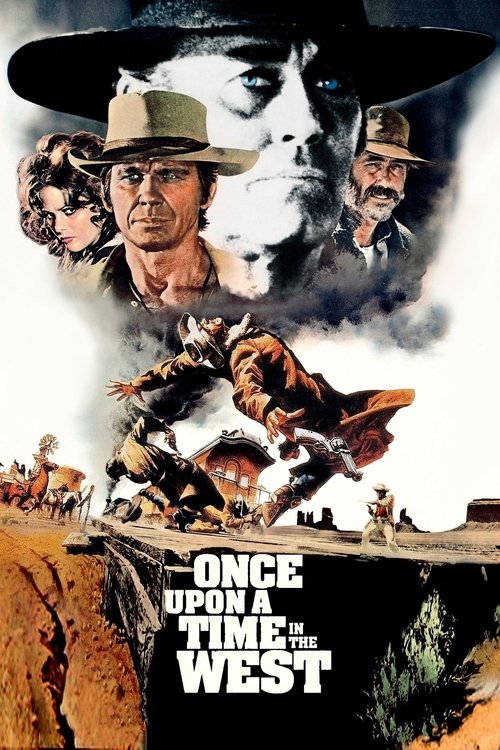
As the railroad builders advance unstoppably through the Arizona desert on their way to the sea, Jill arrives in the small town of Flagstone with the intention of starting a new life.
As the railroad builders advance unstoppably through the Arizona desert on their way to the sea, Jill arrives in the small town of Flagstone with the intention of starting a new life.

A wanna-be blues guitar virtuoso seeks a long-lost song by legendary musician, Robert Johnson.

An Italian socialite on the run signs on as housekeeper for a widower with three children.

Alice, the only relatively normal member of the eccentric Sycamore family, falls in love with Tony Kirby, but his wealthy banker father and snobbish mother strongly disapprove of the match. When the Kirbys are invited to dinner to become better acquainted with their future in-laws, things don't turn out the way Alice had hoped.

In this wildly entertaining vision of one of the twentieth century’s greatest artists, Bob Dylan is surrounded by teen fans, gets into heated philosophical jousts with journalists, and kicks back with fellow musicians Joan Baez, Donovan, and Alan Price.

Near the end of the war in Germany, GI Steve Boland, a self-described "sharp-operator", meets a German girl, Ilsa, and they fall in love. Ilsa's brother Karl, whom she has not seen in three years, and his fellow Nazi Ludwig visit Ilsa. Karl proudly informs her that he and Ludwig are "Werewolves", a group of Nazi assassins parachuted behind Allied lines for the purpose of killing Allied High Command officers. She and Steve go to Army Intelligence with their information, where Steve is immediately arrested for being A.W.O.L. Captain Melton of Army G-2 intervenes on Steve's behalf, as G-2 has had a suspicion about the existence of the "Werewolves" but no concrete info before now.
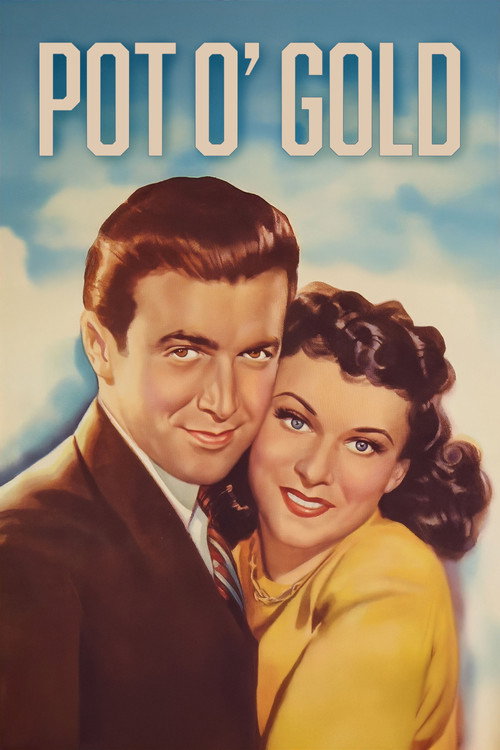
Jimmy, the owner of a failed music shop, goes to work with his uncle, the owner of a food factory. Before he gets there, he befriends an Irish family who happens to be his uncle's worst enemy because of their love for music and in-house band who constantly practices. Soon, Jimmy finds himself trying to help the band by getting them gigs and trying to reconcile the family with his uncle.

Alvin learns the true meaning of Christmas.

Horst Holtfreter, born in Germany came to be known as Munspelsmannen (The Harmonica Man) as he, homeless on the streets of Stockholm could be found playing his harmonica throughout the evening. This short documentary depicts Horsts life through interviews and footage of his street-based-performances.
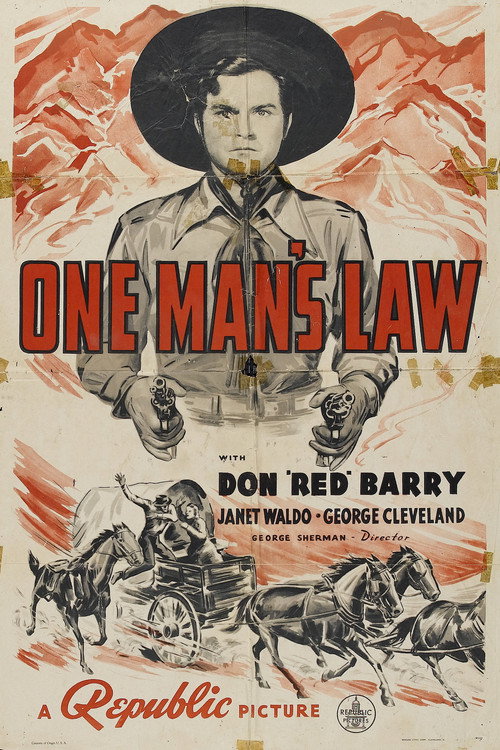
In this old-time Western from director George Sherman, peaceable cowpoke Jack Summers takes the job of sheriff to help his adopted town in its bid to beat out a nearby settlement for a lucrative railroad contract. Trailcross is trying to get the new railroad and Stevens wants it to go to Mason City. Jack and sidekick Nevady arrive and when Jack faces down Stevens' men, he is made Marshal. The townspeople raise money for the railroad and entrust it to Jack. But Stevens plants two of his henchmen as Jack's escorts and they rob him. With the Railroad Officials due to arrive, Jack must retrieve the money.
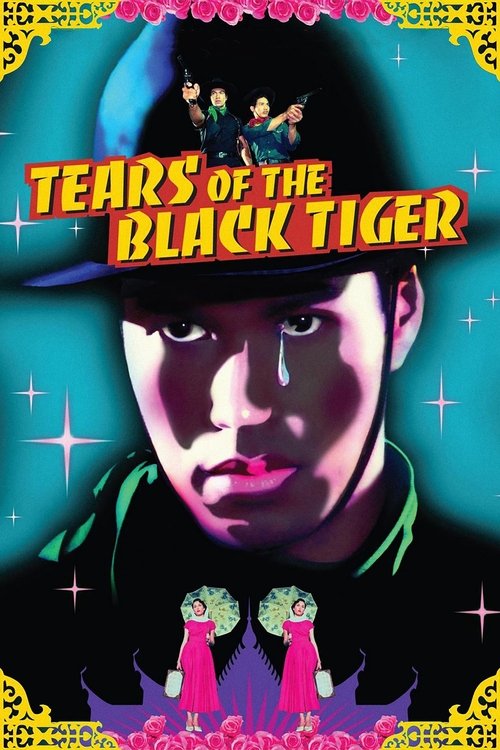
Dum, the son of a peasant falls in love with Rumpoey, the daughter of a wealthy and respected family. The star-crossed lovers are torn apart for years, but their forbidden love survives. When tragedy strikes, Dum unleashes his rage and becomes the gun-slinging outlaw the "Black Tiger" who will stop at nothing to seek his revenge.
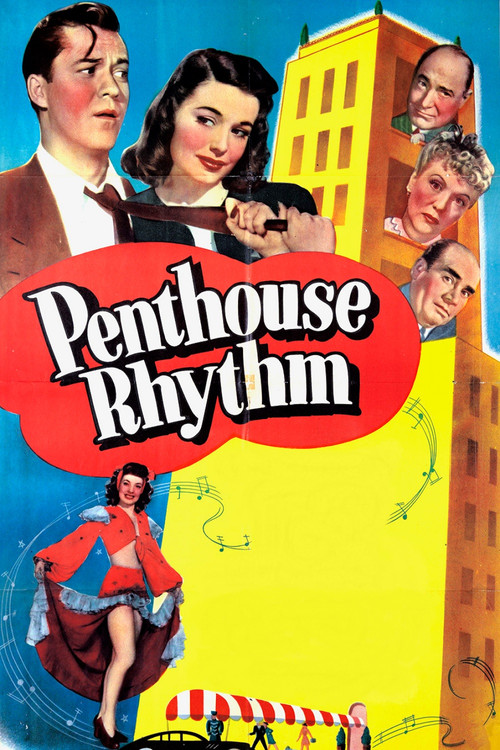
Musical comedy directed by Edward F. Cline

Two men in adjoining duplexes, good friends, are enchanted by the song of a bird. One buys a small harmonica and learns to play it; he keeps his neighbor awake. The neighbor buys a larger harmonica, and an arms race ensues; the instruments get larger, until it's a piano vs. a pipe organ, and then they start bringing in larger groups of friends until an entire orchestra is playing the 1812 Overture. The houses collapse from all this, atop the dueling orchestras, and on their way up to heaven, the man puts his small harmonica up for sale.
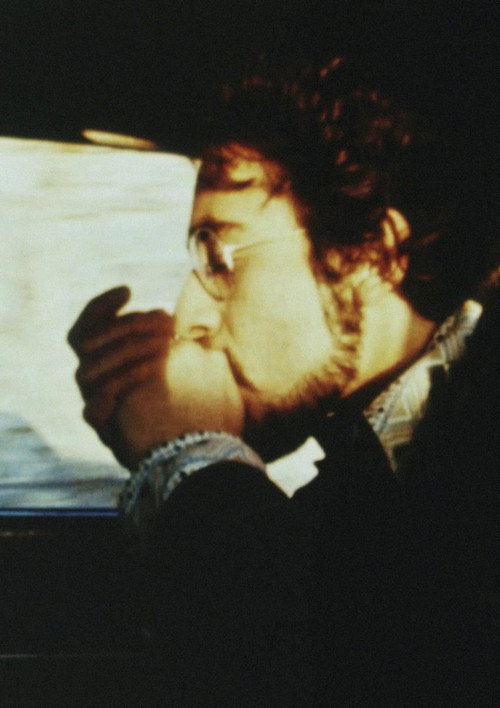
Arguably Larry Gottheim’s most exuberant experiment in the single-shot, single-roll format (and his first with a soundtrack), HARMONICA trains the camera on a friend improvising a tune in the backseat of a moving car. Held out the window, the harmonica becomes a musical conduit for the wind, while Gottheim's film transforms before our eyes into a playful meditation on wrangling the natural elements into art. - Max Goldberg

In the midst of war, a color pencil found on the battlefield awakens a sniper’s forgotten childhood passion for painting, forcing him to confront the violence that erased it.

The story of James Cotton, harmonica powerhouse, whose music shaped blues and rock. Orphaned at 9, Cotton’s life tracks America’s history—from the post-depression cotton fields of the Mississippi Delta to being mentored by the original Delta bluesmen, to Chicagoland’s artistic reinvention to the live music scene in Austin, Texas.

Tom Turkey and his friends play their harmonicas so enthusiastically that they nearly destroy the general store.

The story of a turbulent relationship between Elisa, a mentally unstable young woman, and her psychiatrist who, meets her after she's hospitalized when she faints in a subway station. He advises her to stay in the hospital, but she wants to feel free.

Set on the southern coast of Iran, "Harmonica" begins as a young boy receives a musical present from abroad. Fascinated and envious, his friends make him the leader of the pack, as they compete for the privilege of holding the harmonica or even blowing a few notes, until the games and horseplay begin to take on a sinister edge.
Film biography of Eileen Joyce, the celebrated Australian pianist, concentrating on her childhood in the Tasmanian bush and the Kalgoorlie goldfields. Opening and closing scenes showed the pianist herself performing at a concert.