Post-credit scenes: results for “tag: landscape”

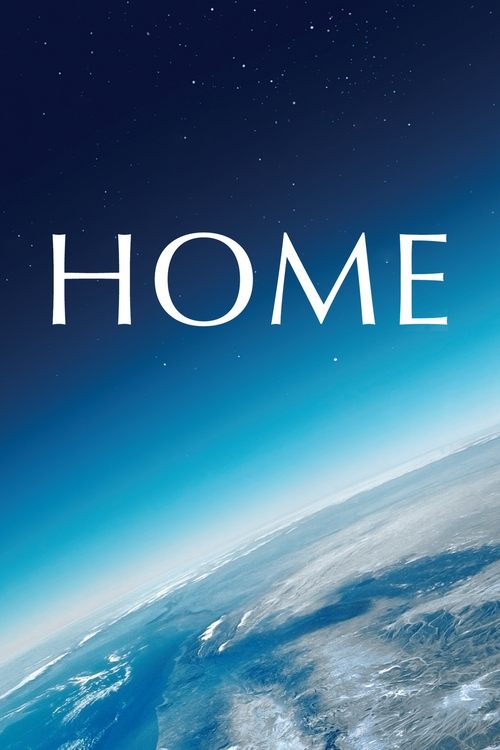
Poster for Home (2009), awaiting its first vote.

In 200,000 years of existence, man has upset the balance on which the Earth had lived for 4 billion years. Global warming, resource depletion, species extinction: man has endangered his own home. But it is too late to be pessimistic: humanity has barely ten years left to reverse the trend, become aware of its excessive exploitation of the Earth's riches, and change its consumption pattern.

Ice Philosophy: nobody has checked the credits yet.

Sometimes, in men's ice cold eyes, only scarce things become precious. Therefore, a man travels the globe in search of ice from the last standing glaciers.

Poster for Ceremony (2008). Never been answered.

A portrait of a figure standing towards a painterly seascape becomes a portrait of the photograph itself, its borders, surfaces and meanings.

Poster art for Lighthouse (2019), an open question on post-credit scenes.

We see the timeless figure of a reading woman by the pool side. The camera pans slowly past smooth white walls, warm wooden doors, onto the edge of the paved area, where the woman now sits, yet again. We are back in the first frame of the film. The man standing close by turns to face her, and frames the woman into an imaginary image, seated there, on the boundary between the built environment and the woods. She appears merely a visitor now, a fleeting presence by the pool side, whereas the reading figure radiated a calm sense of belonging.

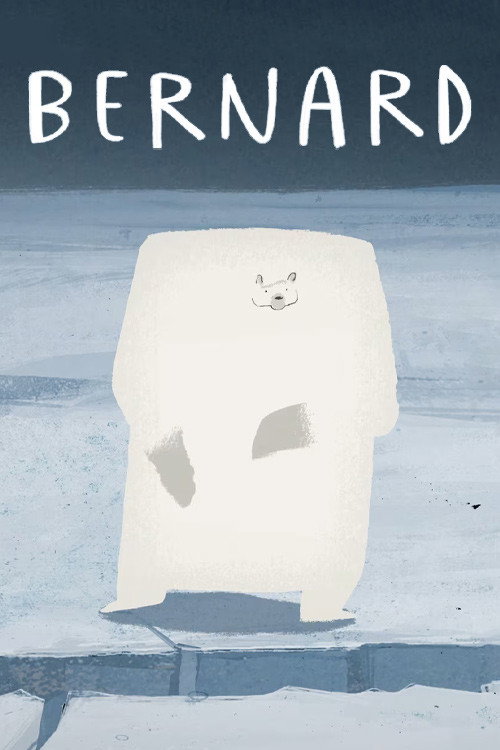
Bernard (2018) cover. Nothing recorded about its credits.

Bernard faces the stereotype of an animal predator, one you wouldn’t cross paths with. Feeling resigned, he tries to express the truth about his isolation, and suppress the call of nature in him.

City World (2012) poster. The count is still zero.

An investigation into the whereabouts of an unseen child narrator among the lifeless suburbs of Orlando, Florida. Told by mixing documentary footage with fantasy elements, the boy's tale slowly swivels from a possible theme park ride into his own harrowing familial reality.

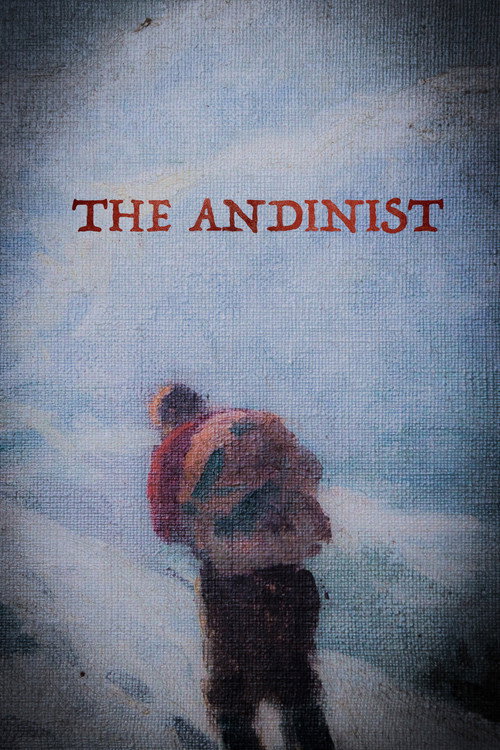
Poster for The Andinist (2020). No votes yet on whether it has a post-credit scene.

An old painter recounts the story of when he met a strange mountain climber, or perhaps, an explorer from another world.

Image for Cassis (1966), a film with no post-credit data.

Filmed during a visit to Jerome Hill in Provence, Jonas Mekas sets his Bolex to capture a single day overlooking the port of Cassis. Shot frame by frame from morning to sunset, the film distills shifting light and color into a quiet meditation on time, place, and perception.

Poster art for The Orchards (2025), an open question on post-credit scenes.

In 2015, in Damascus, the Basateen al-Razi district and its orchards were razed to the ground as punishment for the population's uprising against the regime. Having lost everything, two former residents recall their neighborhood.

Brouillard #14 (2013) poster image. Zero votes so far.

Alexandre Larose creates supernally spectral superimpositions infused with a meteorological mix and the intense lusciousness of the Québec landscape.

Poster for Nymphadelle (2017). Never been answered.

A long time ago, in a medieval world, Aegeus, son of Lord Theron, is forced to hide in the forest after the murder of his parents for political reasons. He meets there a young woman, Asteria, who decides to follow him on his journey.

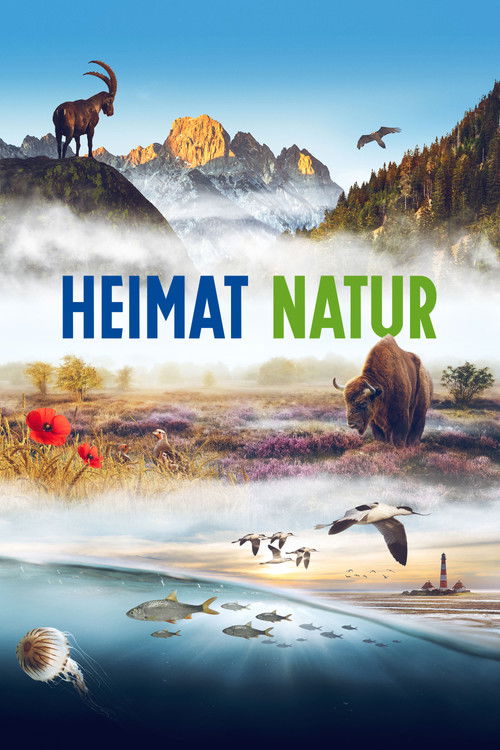
Poster art for Homeland Nature (2021), an open question on post-credit scenes.

Home is where we grow up or settle permanently. And this home is always shaped by nature. Today, we human beings change and shape this more than any law of nature. HEIMAT NATUR is a visually stunning journey through the nature of our homeland, from the peaks of the Alps to the coasts and the depths of the North and Baltic Seas. In between is a cinematic foray through steaming forests, shimmering moors, over rose-blossoming heaths and the colorful cultural landscape around our villages and towns. In extraordinary images this nature is shown from its most beautiful side, examining the state of the native habitats. Slow-motion and time-lapse photography as well as intimate shots of familiar and unfamiliar species, some filmed for the first time, making the film a cinematic nature experience for the whole family.

Film artwork for 100 Years of Route 66 (2026), no verdict on the credits.

Many people have Route 66 on their bucket list: To ride it once, from Chicago to Los Angeles, on a Harley. Or in an old American road cruiser. And experience what we know from the movies: the endless expanse of the plains, the endless deserts with their shimmering red mesas, the small-town USA. Even after 100 years, Route 66 stands for freedom and adventure, the promise of happiness in the USA. But it also stands for the many people who live along Route 66 but are not part of its history. And thus for the USA itself and its contradictions.

The Grove (2025): nobody has checked the credits yet.

Exploring the reports of a spectral mansion on the outskirts of Rougham, a village in the Eastern county of Suffolk. The film delves into local folklore surrounding these sightings as villagers recount their haunting experiences against the desolate backdrop of rural Britain. It reflects on themes of memory, place, and the fading tradition of oral storytelling, evoking the eerie atmosphere of a fractured England and our growing disconnect from the natural environment.

Statue (2006) artwork. Still a mystery after the credits.

From detail to landscape opens up a figure in the middle of a wintery landscape. The day turns into night, turning the human figure into a silhouette, a statue.

Poster art for Grand Littoral (2003), an open question on post-credit scenes.

Valérie Jouve is a weel-known photographer, and Grand Littoral is her first film. Out the outskirts of Marseille, in a landscape criss-crossed by motorways, railways and srubland paths, some figures that seem to be from her famous photos passby and bump into each other. They act as our guides in a tour without beginning or end. How do you look at a place without taking possession of it? How do you describe characters without confining them within a given plot? How do you make the transition from still shots to moving pictures? this brief, musical film leaves us asking these and other unresolved questions.

Redoubt (2019) poster. The count is still zero.

The goddess Diana and her two attendants traverse the rugged terrain of Idaho’s Sawtooth Mountains in pursuit of the elusive wolf. An Engraver (Matthew Barney) furtively documents their actions in copper engravings and provokes a series of confrontations. The characters communicate through dance, letting movement replace language as they pursue each other and their prey.

Privacy policy

When you vote, we save your Yes or No answer and when you voted.

We use a cookie and your internet address to recognize your vote on each movie. This prevents repeat votes. The cookie lasts for five years.

Your votes are kept as part of the movie totals.