Post-credit scenes: results for “tag: middle class”

My Neighbors the Yamadas (1999) poster image. Zero votes so far.

The Yamadas are a typical middle class Japanese family in urban Tokyo and this film shows us a variety of episodes of their lives. With tales that range from the humorous to the heartbreaking, we see this family cope with life's little conflicts, problems, and joys in their own way.

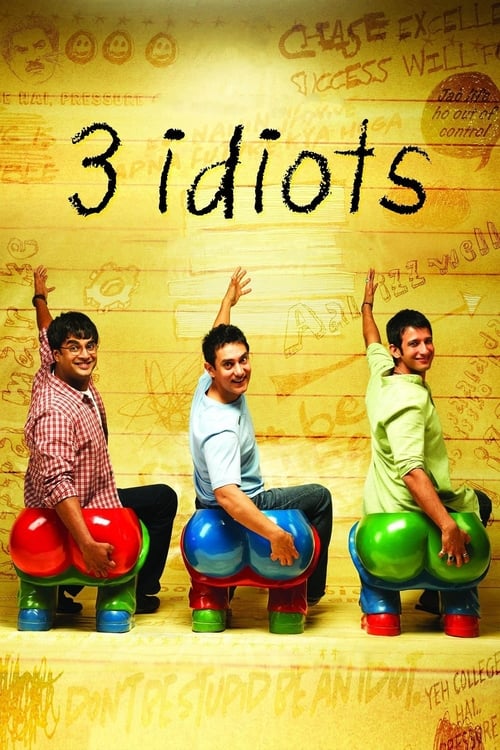
3 Idiots (2009). Nobody has said whether there is anything after the credits.

Rascal. Joker. Dreamer. Genius... You've never met a college student quite like "Rancho." From the moment he arrives at India's most prestigious university, Rancho's outlandish schemes turn the campus upside down—along with the lives of his two newfound best friends. Together, they make life miserable for "Virus," the school’s uptight and heartless dean. But when Rancho catches the eye of the dean's daughter, Virus sets his sights on flunking out the "3 idiots" once and for all.

Ordinary People (1980): nobody has checked the credits yet.

Beth, Calvin, and their son Conrad are living in the aftermath of the death of the other son. Conrad is overcome by grief and misplaced guilt to the extent of a suicide attempt. He is in therapy. Beth had always preferred his brother and is having difficulty being supportive to Conrad. Calvin is trapped between the two trying to hold the family together.

Yi Yi (2000) poster image. Zero votes so far.

Each member of a family in Taipei asks hard questions about life's meaning as they live through everyday quandaries. NJ is morose: his brother owes him money, his mother is in a coma, his wife suffers a spiritual crisis when she finds her life a blank and his business partners make bad decisions.

Poster, Finding Your Feet (2017). Nobody has voted on this one.

When her life is turned upside down upon discovering her husband's affair, Sandra Abbott seeks refuge in London with her estranged older sister Bif. She begins to find her feet again after letting Bif drag her along to a community dance class.

Cover image for Roma (2018), not yet voted on.

In 1970s Mexico City, two domestic workers help a mother of four while her husband is away for an extended period of time.

Poster for Tokyo Sonata (2008). Never been answered.

The winds of change blow as a family grapples with unemployment, alienation, mistrust and a lack of communication. When a Japanese salaryman loses his job to outsourcing to China, it's simply the beginning of a series of shattering incidents, leading to the implosion of the family unit.

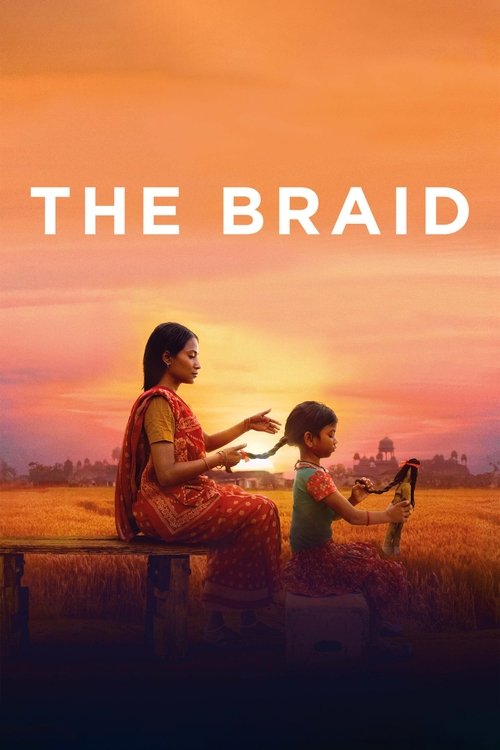
Poster for The Braid (2023), awaiting its first vote.

India. Smita is an untouchable. She dreams of seeing her daughter escape her miserable condition and enter school. Italy. Giulia works in her father’s workshop. When he has an accident, she discovers that the family business is ruined. Canada. Sarah, a successful lawyer, is about to be promoted to the head of her firm when she learns that she is ill. Three lives, three women, three continents. Three battles to fight. Although they don’t know each other, Smita, Giulia and Sarah are unknowingly linked by their most intimate and singular bond.

Movie poster for O.C. and Stiggs (1987), waiting for its first vote.

O.C. and Stiggs aren't your average unhappy teenagers. They not only despise their suburban surroundings, but they also plot against it. They seek revenge against the upper-middle-class Schwab family, who embody all they detest: excess.

The Seventh Continent (1989) poster. The count is still zero.

Chronicles three years of a middle-class family seemingly caught up in their daily routines, troubled only by minor incidents. Behind their apparent calm and repetitive existence, however, they're planning something much more sinister.

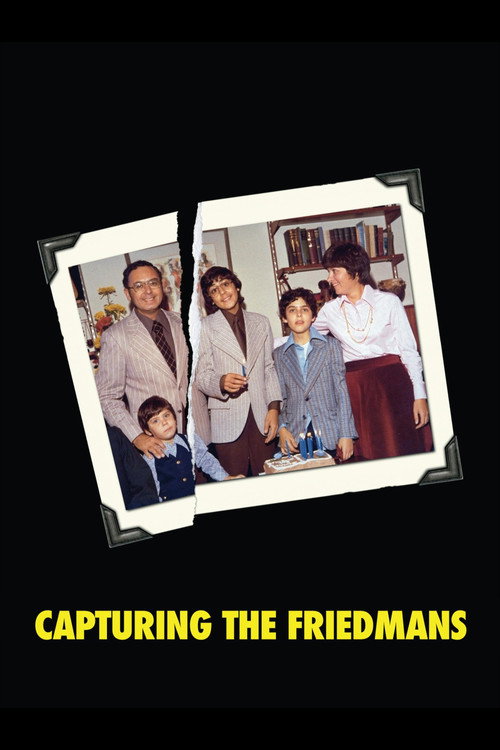
Poster art for Capturing the Friedmans (2003), an open question on post-credit scenes.

An Oscar nominated documentary about a middle-class American family who is torn apart when the father Arnold and son Jesse are accused of sexually abusing numerous children. Director Jarecki interviews people from different sides of this tragic story and raises the question of whether they were rightfully tried when they claim they were innocent and there was never any evidence against them.

Poster for About Elly (2009). No votes yet on whether it has a post-credit scene.

The mysterious disappearance of a kindergarten teacher during a picnic in the north of Iran is followed by a series of misadventures for her fellow travelers.

Poster, Inequality for All (2013). Nobody has voted on this one.

Based on Reich's 2010 book Aftershock: The Next Economy and America's Future, the film examines widening income inequality in the United States. U.S. Labor Secretary Robert Reich tries to raise awareness of the country's widening economic gap. He publicly argued about the issue for decades, and producing a film of his viewpoints was a "final frontier" for him. In addition to being a social issue documentary, Inequality for All is also partially a biopic regarding Reich's early life and his time as Secretary of Labor under Bill Clinton's presidency. Warren Buffett and Nick Hanauer, two entrepreneurs and investors in the top 1%, are interviewed in the film, supporting Reich's belief in an economy that benefits all citizens, including those of the middle and lower classes.

Requiem for the American Dream (2015) cover. Nothing recorded about its credits.

Through interviews filmed over four years, Noam Chomsky unpacks the principles that have brought us to the crossroads of historically unprecedented inequality – tracing a half-century of policies designed to favor the most wealthy at the expense of the majority – while also looking back on his own life of activism and political participation. He provides penetrating insight into what may well be the lasting legacy of our time – the death of the middle class, and swan song of functioning democracy.

Image for Remember Me? (1997), a film with no post-credit data.

A domestic farce exposes the eccentricities of a "typical" middle class, suburban family who find their lives thrown into a crisis with the unexpected arrival of one of the wife's old flames.

Poster art for Sammy and Rosie Get Laid (1987), an open question on post-credit scenes.

Sammy and Rosie are an unconventional middle-class London married couple. They live in the midst of inner-city chaos, surround themselves with intellectual street people, and sleep with everybody - except each other! Things become interesting when Sammy's father, Rafi, who is a former Indian government minister, comes to London for a visit. Sammy, Rosie, and Rafi try to find meaning through their lives and loves.

Poster for Heist: Who Stole the American Dream? (2012). No votes yet on whether it has a post-credit scene.

Heist: Who Stole the American Dream? reveals how American corporations orchestrated the dismantling of middle-class prosperity through rampant deregulation, the outsourcing of jobs, and tax policies favoring businesses and the wealthy. The collapse of the U.S. economy is the result of conscious choices made over thirty five years by a small group: leaders of corporations and their elected allies, and the biggest lobbying interest in Washington, the U.S. Chamber of Commerce. To these individuals, the collapse is not a catastrophe, but rather the planned outcome of their long, patient work. For the rest of the country, it is merely the biggest heist in American history.

Privacy policy

When you vote, we save your Yes or No answer and when you voted.

We use a cookie and your internet address to recognize your vote on each movie. This prevents repeat votes. The cookie lasts for five years.

Your votes are kept as part of the movie totals.