Post-credit scenes: results for “tag: mining”

Poster, Crimson Peak (2015). Nobody has voted on this one.

In the aftermath of a family tragedy, an aspiring author is torn between love for her childhood friend and the temptation of a mysterious outsider. Trying to escape the ghosts of her past, she is swept away to a house that breathes, bleeds… and remembers.

The 33 (2015). Nobody has said whether there is anything after the credits.

Based on the true story of the collapse of a mine in San Jose, Chile—that left 33 miners isolated underground for 69 days.

Film artwork for Gold (2016), no verdict on the credits.

Kenny Wells, a modern-day prospector, hustler, and dreamer, is desperate for a lucky break. Left with few options, Wells teams up with an equally luckless geologist to execute a grandiose, last-ditch effort: to find gold deep in the uncharted jungle of Indonesia.

Poster art for Ghosts of Mars (2001), an open question on post-credit scenes.

In 2176, a Martian police unit is sent to pick up a highly dangerous criminal at a remote mining post. Upon arrival, the cops find the post deserted and something far more dangerous than any criminal — the original inhabitants of Mars, hellbent on getting their planet back.

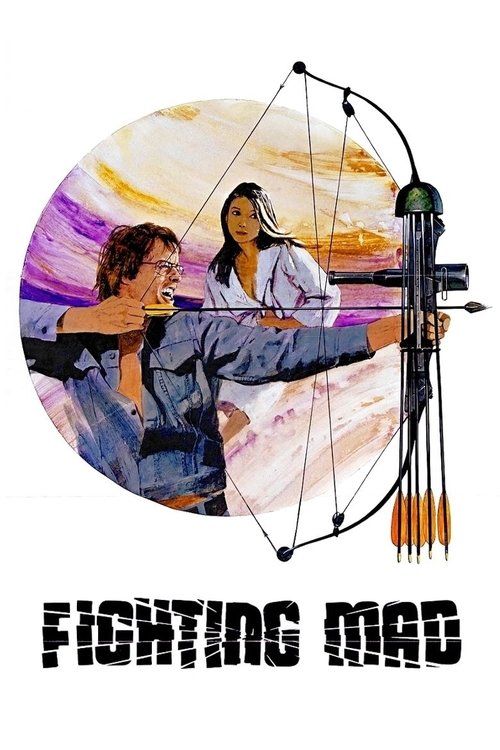
Poster for Fighting Mad (1976). Never been answered.

An evil corporation tries to pressure a bunch of Arkansas farmers and ranchers to sell their land so they can strip-mine it for coal. The fiercely proud and stubborn Hunter family refuse to give in. This leads to a bitter conflict that results in several casualties. Eventually the take-charge no-nonsense Tom Hunter exacts a harsh revenge on the villains with the help of his bow and arrow.

Poster for Early Man (2018). No votes yet on whether it has a post-credit scene.

Dug, along with his sidekick Hognob, unite a cavemen tribe to save their hidden valley from being spoiled and, all together as a team, to face the menace of a mysterious and mighty enemy, on the turf of an ancient and sacred sport.

Poster for Outland (1981). Never been answered.

On the sunless moon Io, Marshall William T. O’Niel goes toe-to-toe with the corrupt manager of a mining colony and his gang of roughnecks while investigating a rash of worker suicides.

Movie art for Battlefield Earth (2000), post-credit scene unknown.

In the year 3000, man is no match for the Psychlos, a greedy, manipulative race of aliens on a quest for ultimate profit. Led by the powerful Terl, the Psychlos are stripping Earth clean of its natural resources, using the broken remnants of humanity as slaves. What is left of the human race has descended into a near primitive state. After being captured, it is up to Tyler to save mankind.

Movie poster for Mother Lode (1982), waiting for its first vote.

A couple of young adventurers go into the wilderness of British Columbia in search of a lost colleague. Their plane crashes and they find themselves at the mercy of a crazed old Scottish miner, who has lived in isolation for many decades searching the mountain caves for a chamber of long lost gold. He is prepared to do anything - including murder - to keep his gold for himself.

The Taliban's Natural Resources (2026) cover. Nothing recorded about its credits.

Since the Taliban returned to power in August 2021, Afghanistan has drawn growing international attention for its enormous reserves of rare earths and strategic minerals essential to the global energy transition. The country is believed to hold more than €1 trillion in resources, including copper, lithium, cobalt, iron, uranium, chromite, mercury, and rare earth elements, as well as valuable gemstones and gold. Often described as the “Saudi Arabia of minerals,” Afghanistan has become the focus of a geopolitical race for supplies. While Europe and the United States remain hesitant to engage with a regime accused of serious human rights abuses, countries such as China, Russia, Turkey, Qatar, Pakistan, and India are already positioning themselves in Kabul to secure access to these critical resources.

Image for Where the Green Ants Dream (1984), a film with no post-credit data.

The Australian Aborigines (in this film anyway) believe that this is the place where the green ants go to dream, and that if their dreams are disturbed, it will bring down disaster on us all. The Aborigines' belief is not shared by a giant mining company, which wants to tear open the soil and search for uranium.

Paint Your Wagon (1969) artwork. Still a mystery after the credits.

A Michigan farmer and a prospector form a partnership in the California gold country. Their adventures include buying and sharing a wife, hijacking a stage, kidnapping six prostitutes, and turning their mining camp into a boom town. Along the way there is plenty of drinking, gambling, and singing. They even find time to do some creative gold mining.

Film artwork for Buddies (1983), no verdict on the credits.

Mike and Johnny are two mates who are mining sapphires in Emerald. Another bloke is trying to move in on their claim and things get ugly

Uranium (1990) cover. Nothing recorded about its credits.

Explores the consequences of uranium mining in Canada. Toxic and radioactive waste pose profound, long-term environmental hazards. Miners suffer a substantially increased risk of getting cancer. Most mining occurs on Indigenous People's land, violating their traditional economic and spiritual lives. Given our limited knowledge of the risks associated with uranium mining, why continue?

Poster for The Painted Desert (1931), awaiting its first vote.

Western pardners Jeff and Cash find a baby boy in an otherwise deserted emigrants' camp, and clash over which is to be "father." They are still bitterly feuding years later when they own adjacent ranches. Bill, the foundling whom Cash has raised to young manhood, wants to end the feud and extends an olive branch toward Jeff, who now has a lovely daughter. But during a mining venture, the bitterness escalates. Is Bill to be set against his own adoptive father?

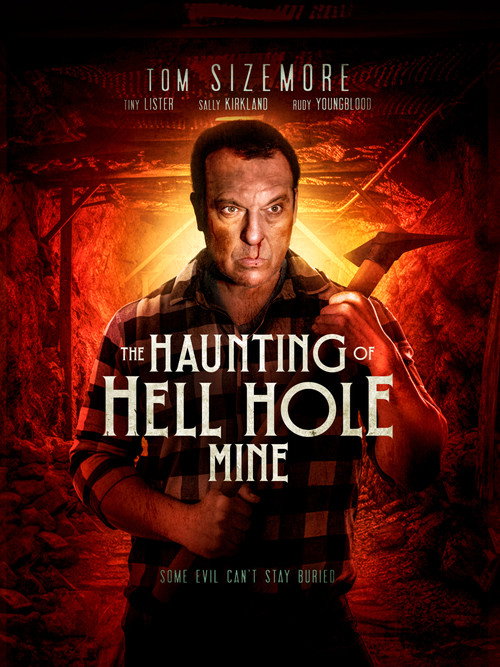
Cover image for The Haunting of Hell Hole Mine (2023), not yet voted on.

Inside a long-abandoned mine lurks a dark being which haunts the descendants of the miners who trapped it. When Luke's niece is suddenly struck with a strange form of schizophrenia, he re-opens the mine in hopes of raising the money to get her better treatment. But in order to truly save her, he must face the family curse.

Film artwork for The Whistleblower (2019), no verdict on the credits.

Following a fatal accident, a Chinese expatriate working for a mining company in Australia discovers that new technology developed by the company may be a health risk, and investigates a web of conspiracies in his search for the truth.

Poster, The Mine (2016). Nobody has voted on this one.

A young and ambitious civil servant Jussi finds himself being in charge of the environmental permit of a huge nickel and uranium mine in Northern Finland. The Talvivaara mine, led by a charismatic globe trotting visioner Pekka Perä is introducing an entirely new method of collecting minerals whilst creating jobs in one of the poorest areas in Scandinavia. Jussi slowly discovers that he has been led astray by several people and that the new method has serious downsides he did not forsee. The mine is causing environmental hazards that are being hushed down. A new application for another permit is brough to his table by the same mine. Along with the application comes an interesting job offer and a chance of a new beginning. Jussi has to decide whether he will play along and if so, with whom.

Privacy policy

When you vote, we save your Yes or No answer and when you voted.

We use a cookie and your internet address to recognize your vote on each movie. This prevents repeat votes. The cookie lasts for five years.

Your votes are kept as part of the movie totals.