Post-credit scenes: results for “tag: nuclear disaster”

Shin Godzilla (2016): nobody has checked the credits yet.

When a massive, gilled monster emerges from the deep and tears through the city, the government scrambles to save its citizens. A rag-tag team of volunteers cuts through a web of red tape to uncover the monster's weakness and its mysterious ties to a foreign superpower. But time is not on their side - the greatest catastrophe to ever befall the world is about to evolve right before their very eyes.

Poster for Fukushima 50 (2020), awaiting its first vote.

Workers at the Fukushima Daiichi facility in Japan risk their lives and stay at the nuclear power plant to prevent total destruction after the region is devastated by an earthquake and tsunami in 2011.

Image for The Atomic Cafe (1982), a film with no post-credit data.

A disturbing collection of 1940s and 1950s United States government-issued propaganda films designed to reassure Americans that the atomic bomb was not a threat to their safety.

Poster for Parish, awaiting its first vote.

30 years after a nuclear apocalypse, a hardened survivor has managed to stay alive with his highly trained attack dogs by following one unbreakable rule: never let anyone through the gate. That rule has kept him alive for three decades. But when a desperate woman carrying an infant appears outside his sanctuary, Parish is forced to choose between compassion and survival. His decision exposes the refuge he has spent years building and puts him in the crosshairs of a vicious band of cannibals closing in from the wasteland. With his highly equipped compound under siege and his past finally catching up with him, Parish is forced into a brutal fight to protect everything he has left.

Back to Chernobyl (2020) poster. The count is still zero.

The film tells the story of the Chernobyl accident through a mosaic of unique personal testimonies of its participants. The experiences of the difficult past and the sad results of the present recreate the full picture of the accident 30 years later.

Friends After 3.11 (2011). Nobody has said whether there is anything after the credits.

In March 2011, Japan was struck by a catastrophic earthquake, with the devastating tsunami that followed causing a meltdown at the Fukushima nuclear power station that sent ripples of discontent throughout the country. Director Iwai Shunji's Friends after 3.11 (2011) is a deeply personal documentary which uses the statements of some of his closest friends to express the views of a society in a state of political despondency.

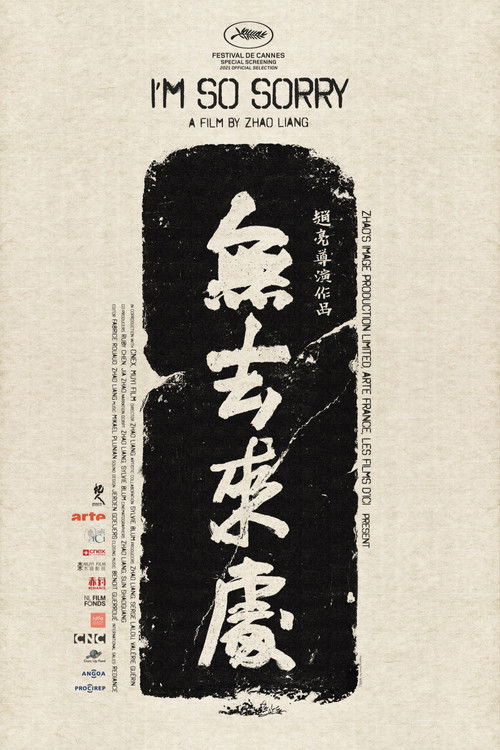
Poster for I'm So Sorry (2021). Never been answered.

In a quiet forest, a sign warns of radiation hazard. “Is this the past or the future?” muses the masked figure who appears like a kind of ghost in nuclear disaster areas. At a time when nuclear power may be re-emerging as an alternative to fossil fuels, this calmly observed and compelling tour takes us to places that may serve as a warning.

Poster art for Chornobyl: Funeral Feast (1993), an open question on post-credit scenes.

The film marks the occasion of the 800-year anniversary of Chornobyl: an epitaph to the nuclear power station tragedy. Lina Kostenko, the Ukrainian poetess, joins former residents on their annual trip to the dead town.

Poster art for The Seal Of The Sun (2019), an open question on post-credit scenes.

At 2:46 PM on March 11, 2011, the Fukushima Daiichi Nuclear Power Plant experiences a black out due to the aftermath of the Tōhoku earthquake and tsunami. The cooling system fails at the nuclear power plant and the temperature of the nuclear reactor rises. The worst case is coming. Scientists face an unexpected situation and government officials are confused by lack of information. Residents says goodbye to their hometown before evacuating.

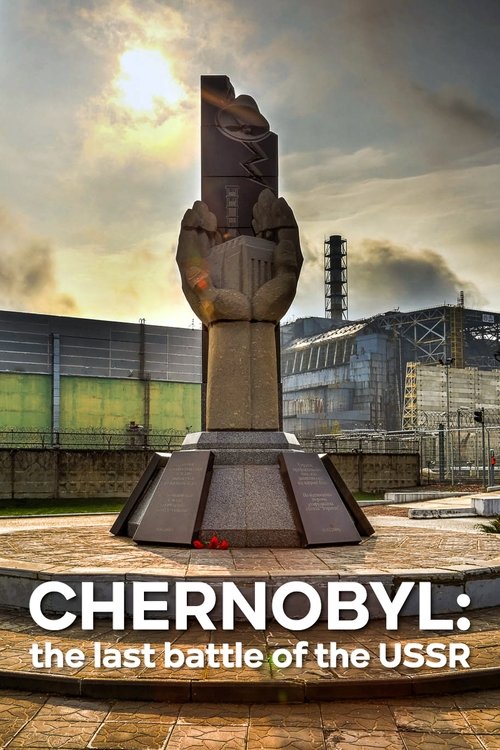
Chernobyl: The Last Battle of the USSR (2021): nobody has checked the credits yet.

Three decades after the nuclear explosion, almost everything has been said about this ecological and sanitary disaster that made Pripiat a part of History. How did the greatest industrial disaster change the course of History, disrupt global geopolitics and, directly or indirectly, redistribute the balances and power relations of the twentieth century? The world will never be the same again. By retracing the incredible battle waged by the Soviet Union against radiation, this film proposes to retrace and enlighten an extraordinary story, while exploring the historical stakes in the medium and long-term…

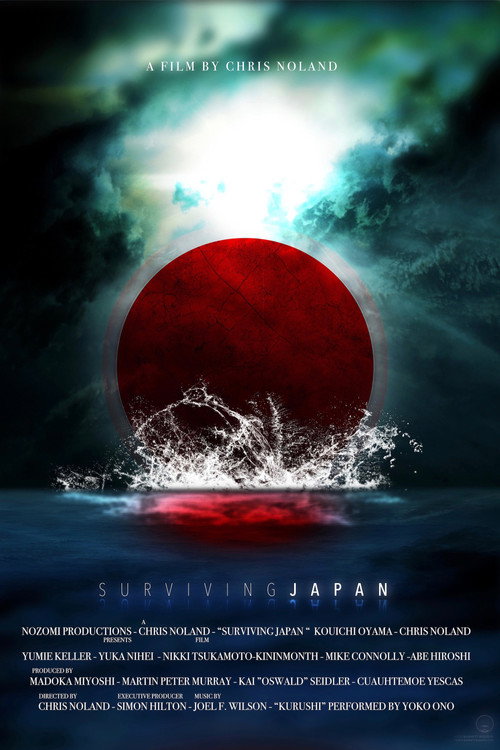
3.11: Surviving Japan (2013). Nobody has said whether there is anything after the credits.

True story of an American volunteer who discovered the unvarnished truth about the Fukushima nuclear disaster cover-up while living in Japan. A critical look at how the authorities handled the nuclear crisis and Tsunami relief by an American who volunteered in the clean-up.

Image for Fukushima: A Nuclear Story (2015), a film with no post-credit data.

A powerful documentary that sheds some light on what really happened at the Fukushima nuclear power plant after the 2011 earthquake and the tsunami that immediately followed. A powerful documentary - shot from March 11th, 2011 through March 2015 - that sheds some light on what really happened at the Fukushima nuclear power plant after the 2011 earthquake and the tsunami that followed.

Poliske Nets (2021) poster. The count is still zero.

Poliske was contaminated with radioactive material after the 1986 Chornobyl disaster. Soviet authorities did everything they could to erase the ancient history of this town, and after Chornobyl, they destroyed its future.

Savagely, silence (2017) poster image. Zero votes so far.

December 21, 2015. The image of a fox was captured by a camera inside the unit 2 building at Fukushima No.1 nuclear power plant... A film-essay about contemporary Japan in the aftermath of March 2011 earthquake.

Image for Your Chance to Live: Nuclear Disaster (1974), a film with no post-credit data.

Portrays the challenges of creating a film about nuclear disaster amid public apathy. It captures behind-the-scenes moments as the crew discusses the gravity of nuclear threats, the importance of preparation, and the emotional impact of a nuclear attack. The narrative emphasizes the need for individuals to take responsibility for their safety and community in the event of an attack, blending factual information with a call to action.

Privacy policy

When you vote, we save your Yes or No answer and when you voted.

We use a cookie and your internet address to recognize your vote on each movie. This prevents repeat votes. The cookie lasts for five years.

Your votes are kept as part of the movie totals.