

Post-credit scenes: results for “tag: oaxaca”

A meta-documentary exploring two filmmakers' vlogs from a film festival and the dark geopolitical realities they faced through it, while attempting to make sense of it via artistic musings and abstract editing.

Takeda is a film about the universality of the human being seen thru the eyes of a Japanese painter that has adopted the Mexican culture.
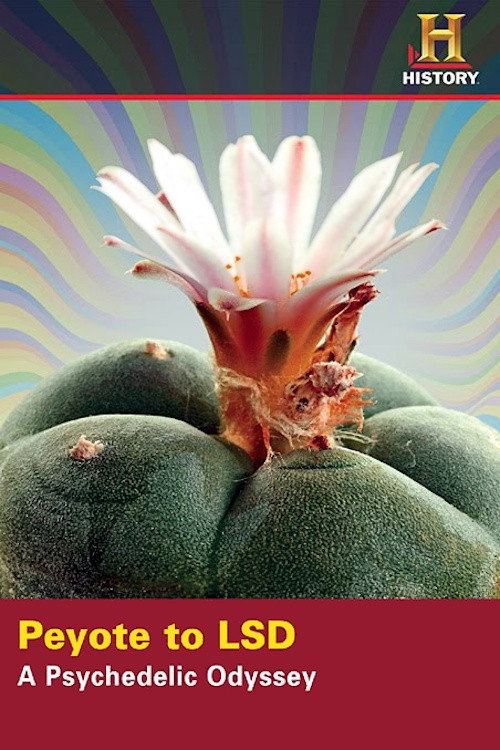
Plant Explorer Richard Evans Schultes was a real life Indiana Jones whose discoveries of hallucinogenic plants laid the foundation for the psychedelic sixties. Now in this two hour History Channel TV Special, his former student Wade Davis, follows in his footsteps to experience the discoveries that Schultes brought to the western world. Shot around the planet, from Canada to the Amazon, we experience rarely seen native hallucinogenic ceremonies and find out the true events leading up to the Psychedelic Sixties. Featuring author/adventurer Wade Davis ("Serpent and the Rainbow"), Dr. Andrew Weil, the Grateful Dead's Bob Weir and many others, this program tells the story of the discovery of peyote, magic mushrooms and beyond: one man's little known quest to classify the Plants of the Gods. Richard Evans Schultes revolutionized science and spawned another revolution he never imagined.

This documentary rescues the valuable work of Martha Colmenares, an indigenous woman from the Zapotec highlands, who in the 1980s filmed the life and customs of her own community, becoming a pioneer of indigenous documentaries. And for the first time, her forgotten story, for forty years, will no longer be invisible.

The imprint of the past is made present by the return of three migrants to a community in the upper Mixteca region of Oaxaca, where the three stories intersect.

Noemí, an Ayuukjä'äy woman reflects on the loss of her native tongue with a voice that blends into day to day life in Cerro Costoche community located in the Mixe mountain rage of Oaxaca.

Anthropologist Laura Nader's first field trip to a Zapotec Indian village in Oaxaca, Mexico, in the late 1950s, led her to study problem-solving in the local courts. There, "little injustices" were the meat of everyday courtroom life.

The Day of the Dead is one of the most deeply rooted and celebrated traditions in our country and when this festivity takes place in a magical town, the event becomes something memorable. The Day of the Dead tradition in Huautla de Jiménez, Oaxaca begins on October 27 with the arrival of the chá to xo´o´ and the celebration lasts six days. Hand in hand with its inhabitants, we will take a tour to witness all the colors, smells, flavors, sounds, textures, and visions that surround this ancestral festival and that of the Mazatecs.
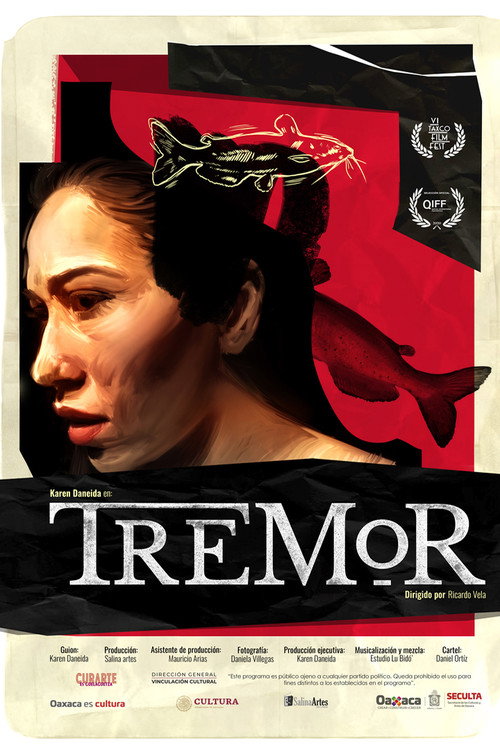
The anguish a woman experienced on the night of September 7, 2017, caused by the 8.2 magnitude earthquake that struck southern Mexico and the danger of another impending disaster.

Documentary about the aftermath of the earthquake that shook Juchitán, on the Mexican Pacific coast. It tells the story of Dxani -muxe seamstress- and Jacinto -mason- and how their lives were radically changed by the strongest earthquake that hit this community; and the poor response of the corrupt authorities.

The communities of San Martin Tilcajete and San Antonio Arrazola in Oaxaca, Mexico are best known for being the main source of the "Alebrijes" (wood carving) in the state; a relatively new but powerful tradition in mexican folklore. In both communities, there is a family that claims they're father started this tradition in all the state of Oaxaca.

After emigrating from his hometown in search of a better life, Chef Gaudencio Ruiz Mateo, defying all possibilities, found success at the highest level of his craft while longing to return home.

The Mejia family emigrated from Oaxaca to Fresno, California 40 years ago. Filmmaker Trisha ZIff filmed the family in 1996, and returns now to see the changes that have settled over them, and follows the family on their return to Mexico.

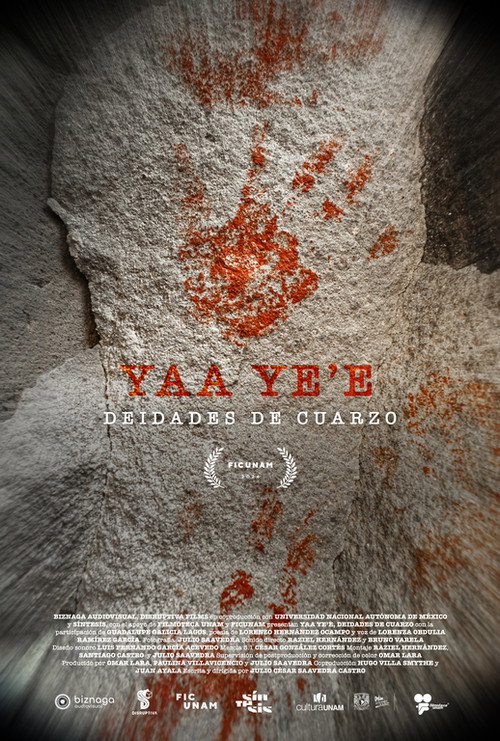
Mixtec-Zapotec antiquity reverberates in an instant. Their ancient voices whisper the memory of time and invoke deities that reveal deep secrets etched in stone. Quartz Deities is a look at the ungraspable, a liminal window that leads to mineral memories where the apparent univocal directionality of time is interrupted, diluted with the forces of nature and the cosmos.

Through interviews with Mrs. Elsa Ruth Cañas Ruiz (widow), Mr. Israel David Rivera Cañas (son) and teachers Sergio Cárdenas, Eliseo Martínez García and Juárez Lincoln Velázquez Moreno and the use of archival material, the life, work and legacy of Mr. Israel Rivera Pérez is narrated, who was the director of the "David" Choir of the National Presbyterian Church "San Pablo" of Oaxaca and founding director of the Choir of the City of Oaxaca.

México-raised and currently Chicago-based artist Sofía Fernández Díaz details her process of adorning found objects and handmade textiles with beads, dyes, and melted wax to imbue them with new meaning, and to give them patitas.
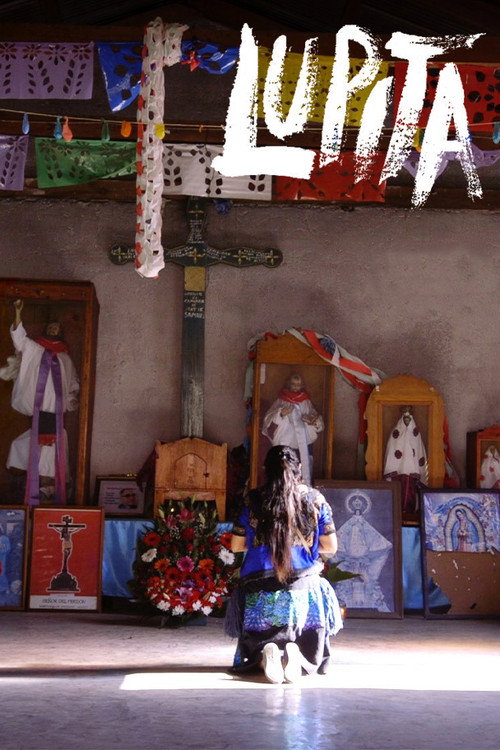
In Mexico, a country where indigenous people are increasingly displaced and discriminated against, Lupita, a survivor of one of the worst massacres in the country’s history, finds her voice in a movement led by indigenous women. The film intimately follows Lupita, a Tzotzil Maya woman, as she takes on the responsibility to be the spokeswoman of her people. Part lyrical testimony, part tribute to 500 years of indigenous resistance, this film mediates the point-of-view of a brave woman who must balance the demands of motherhood with her high stakes choices to reeducate and restore justice to the world.