Post-credit scenes: results for “tag: plastic”

Key art for The Boy in the Plastic Bubble (1976), unanswered on the post-credit question.

Tod Lubitch is born with a deficient immune system. As such, he must spend the rest of his life in a completely sterile environment. His room is completely hermetically sealed against bacteria and virus, his food is specially prepared, and his only human contact comes in the form of gloved hands. The movie follows his life into a teenager.

Poster art for The Beauty (2020), an open question on post-credit scenes.

What if plastic could be integrated into sea life? Take a deep breath and dive into a world where feelings of guilt dissolve amongst the mysterious depths of the ocean. A world where we encounter bizarre creatures and discover eerily beautiful landscapes. Unfortunately, our air doesn’t last forever and we have to realize that nature alone can't solve this issue.

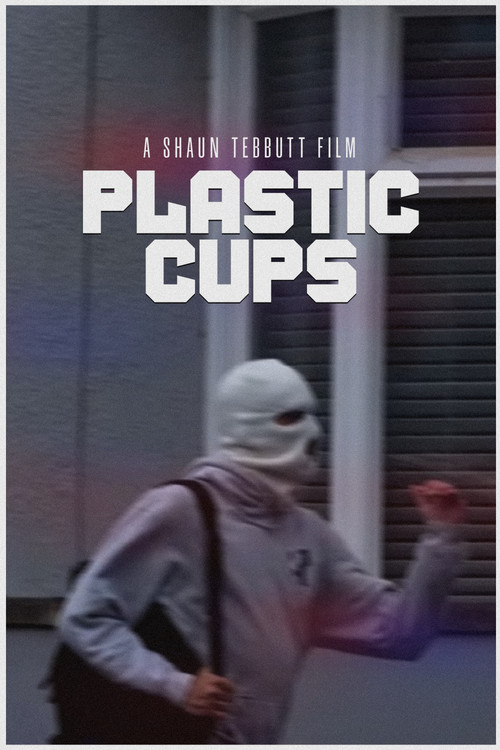
Poster art for Plastic Cups (2026), an open question on post-credit scenes.

A group of masked men make it their mission to take part in the biggest painting heist in history. While they prepare for this extravagant feat, they are challenged with keeping their identities hidden while being hunted down by well trained detectives, with unorthodox, corrupted practices. Will they succeed in their mission?

Poster, Making Fun: The Story of Funko (2018). Nobody has voted on this one.

From a small garage in Redmond, Washington, to the furthest corners of the earth, Funko's story is one that is centered around the fans and the global community that arose from their unique passion - a story that spans twenty years full of joy, ambition, adversity, and... well... toys.

Walk the Tideline (2021). Nobody has said whether there is anything after the credits.

The movie follows today’s beachcombers in Great Britain, the Netherlands, and Japan. The same endless piles of trash left by humans cover all the shores. Our shared ocean is loaded with time travelers made of plastic, the fruit of our throwaway culture and our indifference. They are the seeds of destruction, as they end up in the entrails of creatures living in the sea. Most of the beachcombers share the same worries about the environment. Beside the plastic trash, many travelers drift between continents, such as various plants’ seeds. Like all species, they look for new living environments where they could survive on a warming planet.

Film artwork for The Plastics Inventor (1944), no verdict on the credits.

Donald is listening to a radio program that tells how to build an airplane from plastic, in a process much like baking a cake, cookies, and making toast. He takes it out for a test flight, still guided by the radio, and it works wonderfully. Until the radio interviewer asks if there's any problems: yes, it melts when it gets wet. Of course, Donald instantly flies into a rain cloud, and has to battle his plane as it disintegrates.

CITSALP (2021) poster. The count is still zero.

CITSALP is an animated film based on the negative effects of plastic in our world and the irresponsible consumption and production of plastics.

Poster art for Albatross (2013), an open question on post-credit scenes.

A powerful visual journey into the heart of a gut-wrenching environmental tragedy, while delivering a profound message of healing and renewal.

Plastic Peril (2024). Nobody has said whether there is anything after the credits.

Plastic Peril explores the devastating impact of plastic waste on the waterways and drainage systems of Lagos, Nigeria. This thought-provoking documentary delves into how unchecked plastic pollution disrupts daily life, exacerbates flooding, and threatens the livelihoods of local communities. Through interviews and vivid imagery, it reveals the environmental, social, and economic toll of this growing crisis while highlighting the urgent need for sustainable solutions. A compelling call to action, Plastic Peril amplifies the voices of those most affected and challenges viewers to rethink their role in combating plastic waste.

Rumenatomija: The Story of Brandas Addiction (2008): nobody has checked the credits yet.

Branda has hit rock bottom. Her addiction has spiralled so far out of control that medical intervention is the only option left. She's forced to confront her darkest demons in order to lick her deadly appetite, and must apply all 12 steps to her four stomachs - Branda is a cow addicted to eating plastic bags. It's easy to find humour and irony in Branda's toxic lifestyle, harder to admit that we're the ones being ridiculed.

Plastic Planet (2009) poster. Still unanswered: is there a scene after the credits?

Werner Boote presents an up-close and personal view of the controversial and fascinating material that has found its way into every facet of our daily lives: plastic. He takes us on a journey around the globe, showing that plastics have become a threat for both environment and human health.

Poster art for Sea of Plastic (2020), an open question on post-credit scenes.

The Mediterranean sea is stifled by the growing amount of plastic waste and microplastics, endangering marine mammals, polluting beaches and jeopardizing local economies. How to get rid of this plague? Alexandra Cousteau, granddaughter of worldwide-known explorer Jacques-Yves Cousteau, starts a journey to meet the people who are devoting their life to the Mediterranean sea’s rescue. Some flashing lights sequences or patterns may affect photosensitive viewers.

Cover image for Plasticized (2011), not yet voted on.

PLASTICIZED is a film that places the viewer aboard a transatlantic expedition, as if one of the crew, revealing the unembellished evidence that the human footprint has reached every corner of the earth, even if we have not been there. Despite rumors of massive garbage islands, an immeasurable amount of plastic pollution of all sizes is floating throughout every major ocean in the world. With the numerous ghost nets of trash or larger windrows of rubbish dominating the the occasional headlines, tiny bits of plastic particulate from frail chunks is the overwhelming contaminant that is secretly infiltrating all levels of sea life like a cancer.

Popular Science J-0-3 (1940) poster image. Zero votes so far.

Pliofilm plastic (rubber hydrochloride) and applications in raingear, food packaging, a transparent dress. Also, hybrid giant vegetables; plastic contact lenses; the nature and prevention of dust explosions.

Detritus poster. Still unanswered: is there a scene after the credits?

“Detritus” is a visual experience that observes Barcelona through the waste left behind by its inhabitants: furniture, paper, plastic, and other urban debris. The accumulation of all these often overlooked remnants shapes the portrait of a dirty city, built on a model of constant consumption, where garbage becomes yet another layer of a cold and polluted landscape defined by what we leave behind.

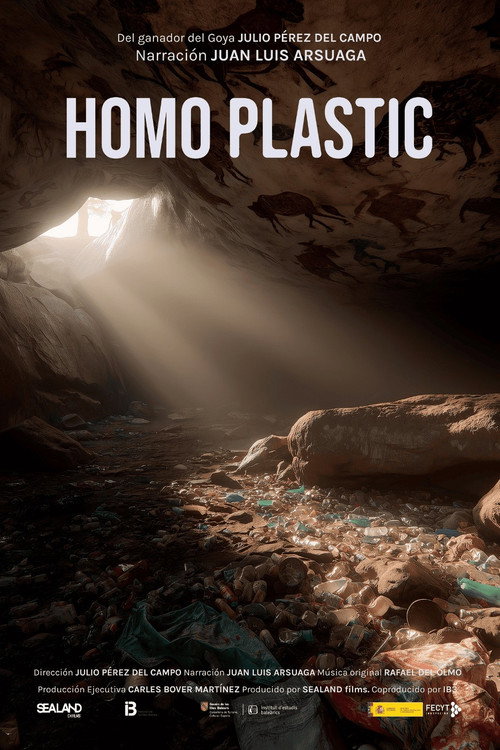
Homo Plastic (2025) artwork. Still a mystery after the credits.

Homo Plastic is a journey into the heart of the Plastic Age. From the icy waters of Antarctica to the most remote tropical shores, no place is free from pollution. This documentary explores how an invention that transformed the way we live has ultimately altered life itself. Plastic doesn't just float in the oceans—it has infiltrated our bodies, our landscapes, and our history. With both scientific precision and emotional depth, the film maps out a global crisis we can no longer ignore. A portrait as haunting as it is beautiful, reflecting the price of progress... but also the possibility of rewriting our legacy.

Privacy policy

When you vote, we save your Yes or No answer and when you voted.

We use a cookie and your internet address to recognize your vote on each movie. This prevents repeat votes. The cookie lasts for five years.

Your votes are kept as part of the movie totals.