

On an isolated island in Brittany at the end of the eighteenth century, a female painter is obliged to paint a wedding portrait of a young woman.
On an isolated island in Brittany at the end of the eighteenth century, a female painter is obliged to paint a wedding portrait of a young woman.
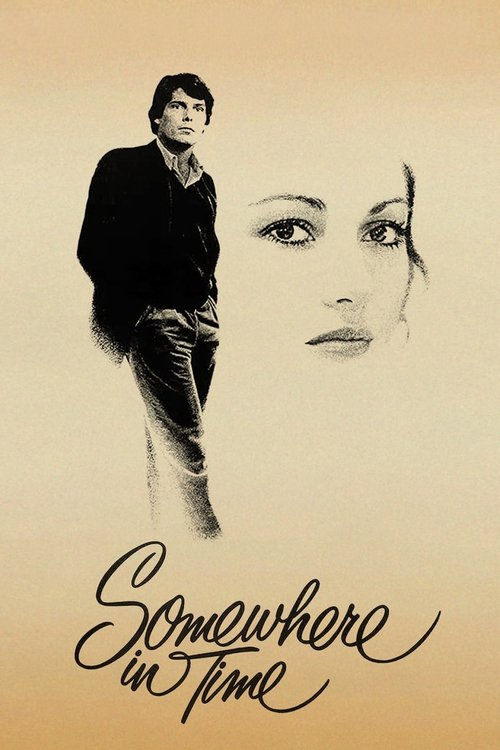
Young writer Richard Collier is met on the opening night of his first play by an old lady who begs him to "Come back to me". Mystified, he tries to find out about her, and learns that she is a famous stage actress from the early twentieth century. Becoming more and more obsessed with her, by self-hypnosis he manages to travel back in time—where he meets her.

A police detective falls in love with the woman whose murder he's investigating.


Two spoiled Beverly Hills sisters who have been left penniless after their father's sudden death are forced to move in with their estranged aunt in East Los Angeles.


Fashion revolutionary Bethann Hardison looks back on her journey as a pioneering Black model, modeling agent, and activist, shining a light on an untold chapter in the fight for racial diversity.

The artist Sergente Palmerino and his wife lose their business, their home, and everything they had built in Montreal since the late 1930s in a fire.
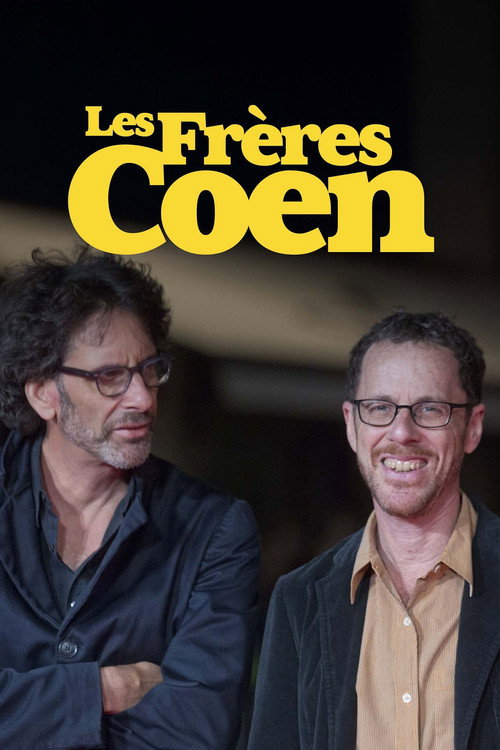
Tracing the careers of these two cinema enthusiasts, this documentary reveals the secrets behind the work of Ethan and Joel Coen, screenwriters and directors who are interchangeable within the same two-headed entity. It features fascinating, previously unseen interviews with some of the most iconic actors from their filmography.


Journalist Fabian Burstein looks behind the curtains of the porn industry. Starting in Budapest he heads westwards to explore a new world on its victory march rooted deeply in Austria. On this journey he meets the heroes and leading actors of this story: Austrians Mick Blue, Renee Pornero and Thomas Janisch. Porno Unplugged follows its native porn stars to where their lives happen. From east to west...


In 1985, former oil rig worker Richard Linklater began a film screening society in Austin, Texas, that aimed to show classic art-house and experimental films to a budding community of cinephiles. Eventually incorporating as a nonprofit, the newly branded Austin Film Society raised enough money to fly in their first out-of-town filmmaker: James Benning. Accepting the invitation, Benning met Linklater and the two began to develop a personal and intellectual bond, leading to many future encounters. Starting in the 1960s, Benning had been creating low budget films mostly on his own, while Linklater had just begun to craft his first shorts. The filmmakers have remained close even as their careers have diverged. After the cult success of Slacker, Linklater went on to make films with Hollywood support. Benning, meanwhile, has stayed close to his roots and is mainly an unknown figure in mainstream film culture.

A portrait of a figure standing towards a painterly seascape becomes a portrait of the photograph itself, its borders, surfaces and meanings.


A reclusive telemarketer has only one semblance of a friend: His telecommuter boss. But the telemarketer's social circle seems to improve greatly when a whimsical co-worker enters his life. Only, as he begins to sketch his new friend's portrait, disturbing "voices" from the phone man's past threaten to lead him into a network of destruction.

The world's greatest pin-up model and cult icon, Bettie Page, recounts the true story of how her free expression overcame government witch-hunts to help launch America's sexual revolution. When she saw the film The Notorious Bettie Page, produced by HBO in 2006, the main person concerned reacted unequivocally: “Lies! Lies!” In a long interview recorded shortly before her death, the woman who entered the collective unconscious as the ultimate pin-up gave her version of events to director Mark Mori. In a gravelly voice, Bettie Page tells her own story and lifts the veil on areas often hidden by images that have made so many men and women fantasize since the 1950s: her abused childhood, an eclipse that lasted forty years, her mental illness. Through testimonies and unpublished archives, this documentary brings back to life a body and a face endlessly declined before our eyes, just as Bettie wanted: “I would like people to remember me as I was in the photos.”

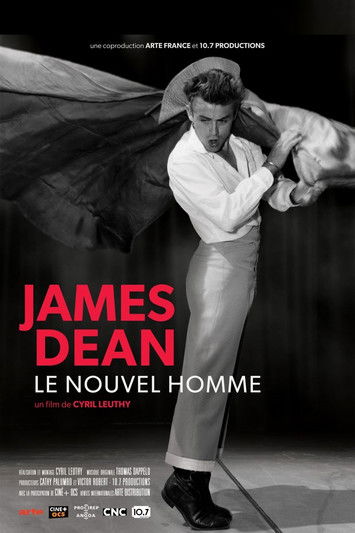
The antithesis of the virile heroes of his era, James Dean shook up the representation of adolescence and masculinity in three films shot in 1955, the same year he died in a car accident at the age of 24—exactly seventy years ago: Rebel Without a Cause, East of Eden, and Giant. This meteoric rise made him an instant icon, frozen in eternal, rebellious youth, which still resonates strongly today.
