
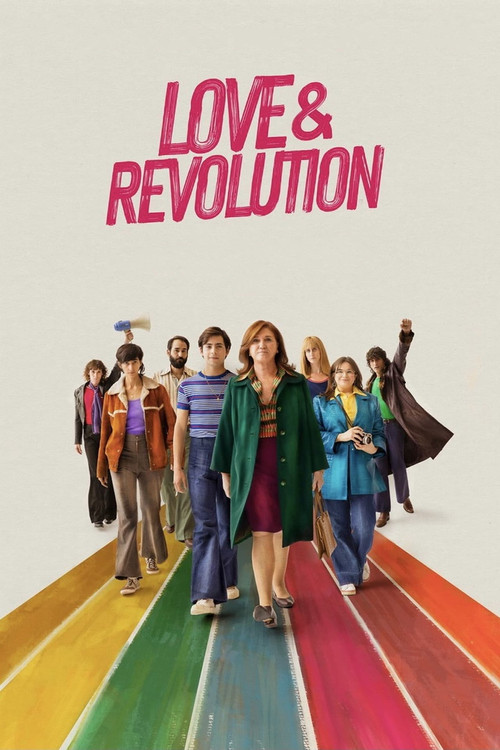
Seville, 1977. At a time when homosexuality is a crime, Reme, a traditional mother moved by the love of her son, an adolescent aspiring artist, will become involved in the Andalusian LGBTQ+ movement, paradoxically born in the bosom of the Church.
Seville, 1977. At a time when homosexuality is a crime, Reme, a traditional mother moved by the love of her son, an adolescent aspiring artist, will become involved in the Andalusian LGBTQ+ movement, paradoxically born in the bosom of the Church.

This documentary discusses how LGBTIQA+ people experience the streets and nightlife of Istanbul in terms of a safe space through the unique, yet common experiences of queers from different backgrounds, and focuses especially on nightlife and the issue of safe space there, which is a very critical area for queers to exist as they are.

An insight into 5 queer film festivals accompanied with the discussion about the importance of queer film festivals, queer film and people's experience with both.
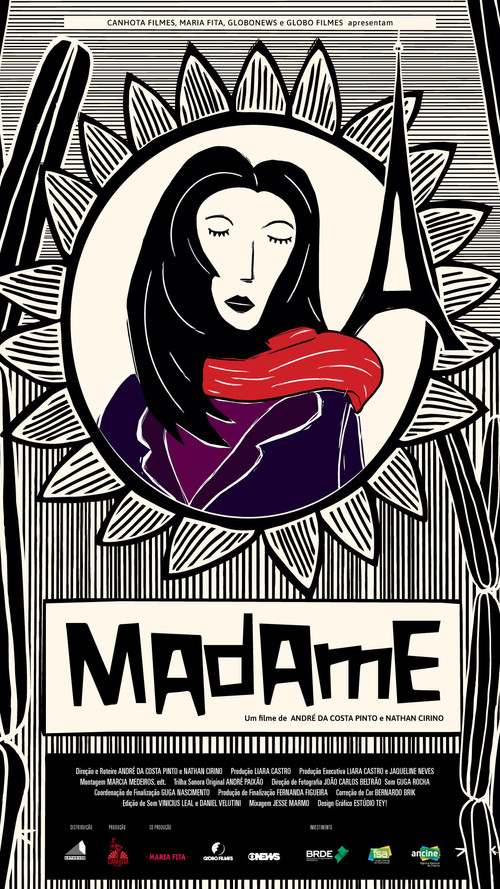
The documentary tells the story of Camille Cabral, Northeastern woman, transsexual, first Brazilian elected in France.

In this funny and erotic mockumentary, director Toby Ross takes an out of the box look at homosexuals - dividing them into two major groups: those who are into it for the sex and those who are looking for relationships. The live reenactments are an eyeful and it goes through all the levels and strands of gay guys. Out and proud, fringe homos, closet cases by design, country fags, and more.

Madonna celebrates her four-decade career in a special concert for over 1.6 million people at the Copacabana Beach in Rio de Janeiro.

Trailblazing artists, activists, and everyday people from across the spectrum of gender and sexuality defy social norms and dare to live unconventional lives in this kaleidoscopic view of LGBTQ+ culture in contemporary Japan.
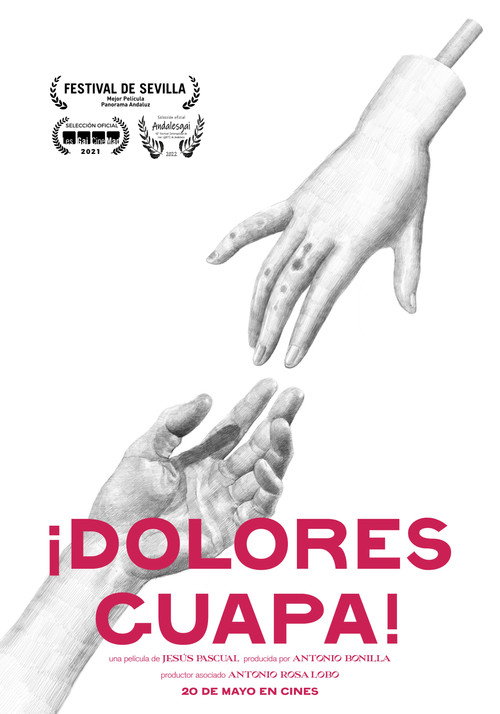
Religious-based images and traditions permeate the lives of all the people who inhabit Seville. Historically, the city's mariquitas ("sissies") have also assimilated them in their childhood and, through them, have been creating their own encounter spaces and their own codes. Nowadays, new dissident identities continue to respond to them: they participate or distance themselves, they continue what exists or transform it. This film looks at these traditions from a perspective always relegated to the margins.
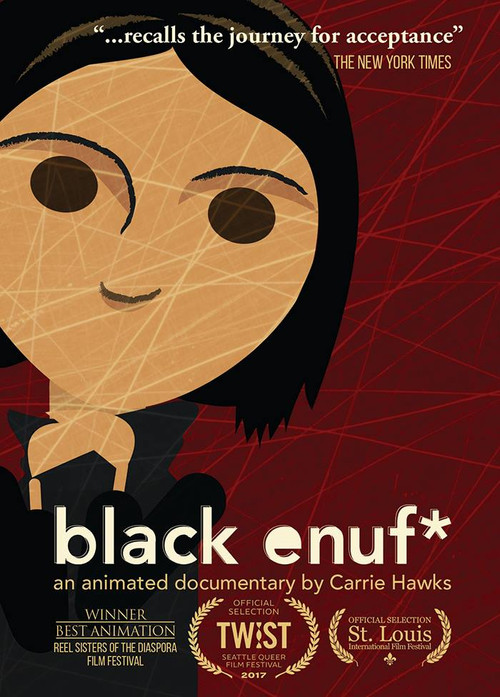
A queer oddball seeks approval from Black peers despite a serious lack of Hip-Hop credentials. This short animated documentary takes you on a quest for belonging.

Deep Brazil. Between drifting through a city in the interior of Mato Grosso on the banks of the BR-163, we follow moments of the routine of Ana Rúbia, who is preparing for the launch of the book “School Memories of Travestis”.

At the end of the seventies, Yan María Castro became one of the founders of the first group of lesbians in Mexico. In a context of discrimination and repression, she and her companions organize a political movement to gain their place in society.
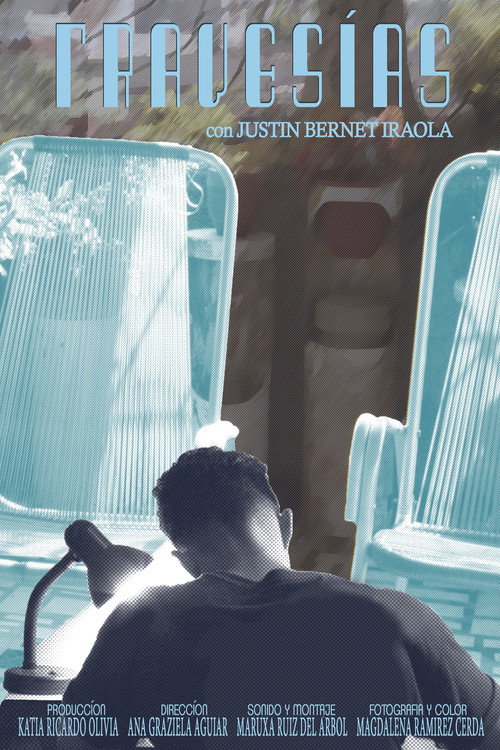
A love letter that unites Brazil and Cuba. In the film Travessias, the director goes on a long journey seeking to understand the feelings and transformations of a person who is close to her. On this path of doubts and concerns, she meets Justin, a trans man who will help her on this journey. With a poetic and self-referential look, the director invites us to rethink our own prejudices and limits in relation to the others.
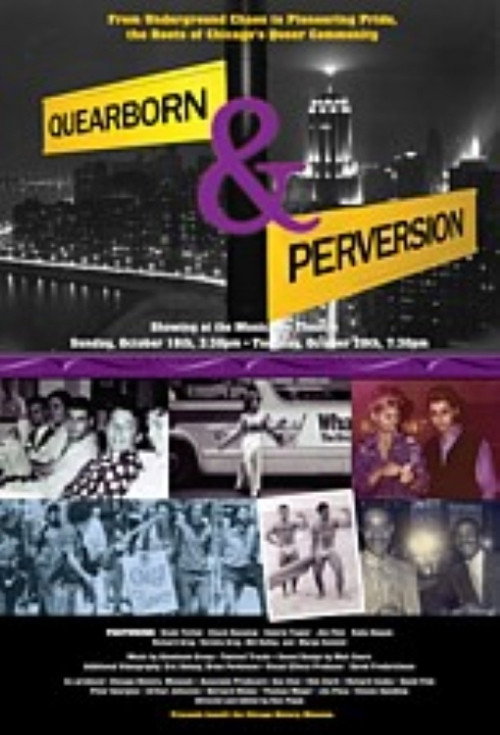
Quearborn & Perversion: An Early History of Lesbian & Gay Chicago (2009, 109 min) is a documentary on LGBTQ life in Chicago from 1934 to 1974. Moving from the speakeasys and Henry Gerber’s founding of the Society for Human Rights in the 1930s, to the underground social structure of the 1940s and 1950s, to the dawn of consciousness-raising entities such as the Daughters of Bilitis and Mattachine Midwest in the 1960’s, and concluding with the emergence of the gay liberation movement with the first Pride March and opening of the first community center in the early 1970s.

A documentary about Néstor Perlongher. His life, his poems, and his activism in Argentina's Frente de Liberación Homosexual (homosexual liberation front).
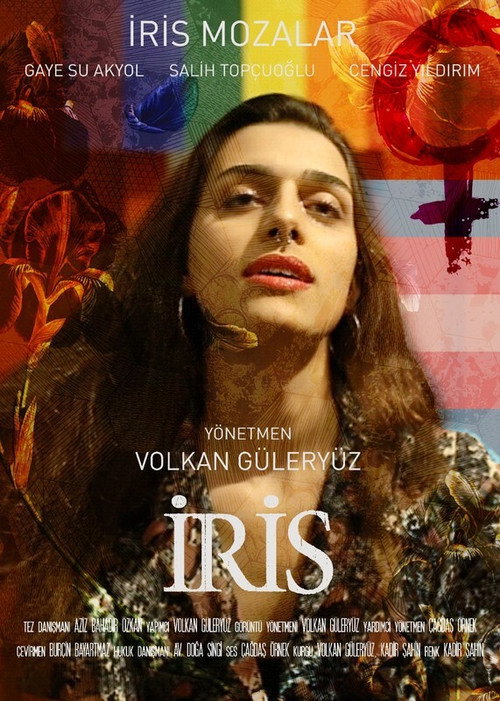
Biographical trans documentary film in which Iris Mozalar, a young artist, shares her diversity of being a bisexual transgender woman, the process of creating herself and her reflections against society.
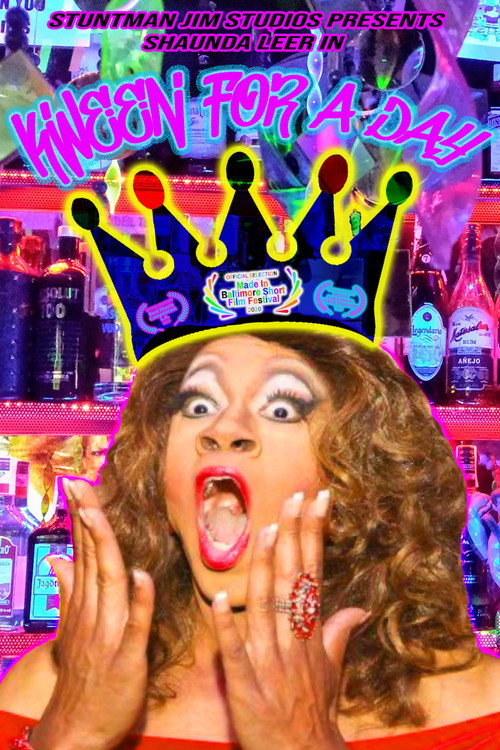
Baltimore-based drag queen Shaunda Leer (Scott Murdock) discusses why she's chosen to perform in drag for over ten years. She also recounts several stories about her family relationships and concerns about her physical safety as a member of the GLBTIQ community.
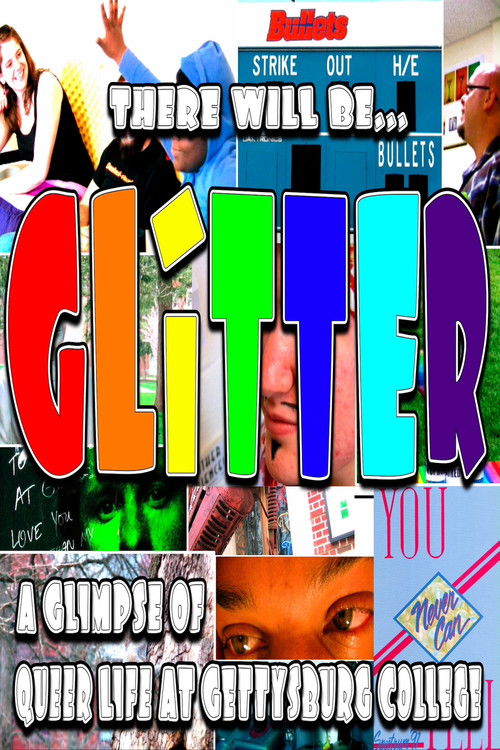
A story about the GLBTQ community at Gettysburg College: students and faculty, past and present. Enjoy a glimpse of their lives as they discuss everything from Coming Out to Dorm Drama to gBurg's RED HOT dating scene.
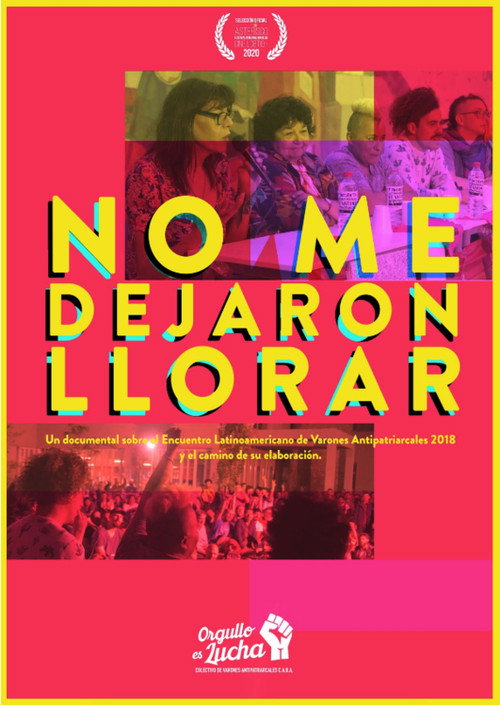
The collective of antipatriarchal men is a political organization that, since 2010, organizes spaces of group self-reflection to problematize the role of masculinity for those who identify as and/or are read as men. This documentary was filmed around one of their yearly regional forums.
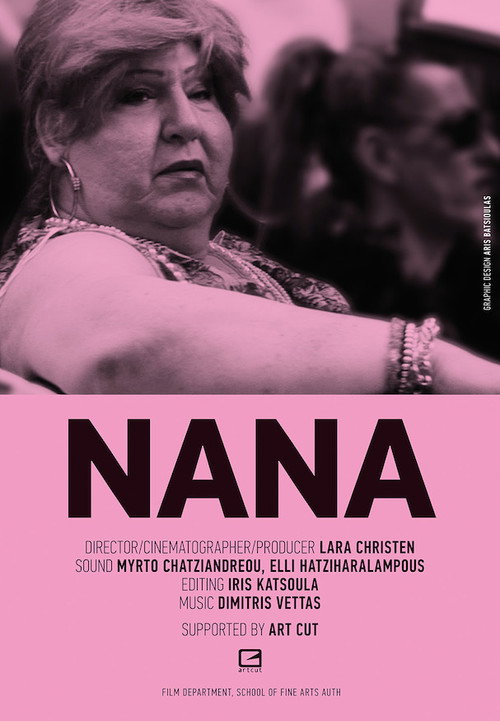
The documentary Nana is the portrait of a seventy-year-old trans woman who lives in Thessaloniki. The combination of narrative, observation and archival footage creates an image of her chequered past, as well as the hard everyday life a trans person faces in Greek reality.

Summer 2021: The Allianz Arena in Munich is to be lit up in rainbow colors for Germany's match against Hungary. UEFA forbids this - and Germany is in a rainbow frenzy in protest: landmarks are illuminated in color, rainbow flags are hoisted, and the country's own tolerance is celebrated. Germany, a paradise for queer people? Reporter Klaas-Wilhelm Brandenburg has had other experiences. "Die Story im Ersten" meets queer people in various phases of their lives: children at school, young people at work, senior citizens in nursing homes. We take stock after five years of "marriage for all": How equal are queer people in Germany? How tolerant is our society really?