
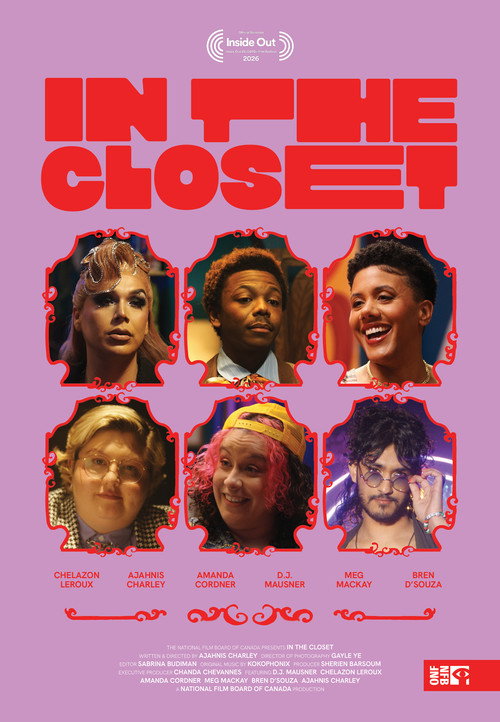
Yes, they’re in a literal closet, but these non-binary artists are anything but closeted. Ajahnis Charley hosts a hilarious and intimate docu-series that isn’t afraid to wear its heart on its drop sleeves.
Yes, they’re in a literal closet, but these non-binary artists are anything but closeted. Ajahnis Charley hosts a hilarious and intimate docu-series that isn’t afraid to wear its heart on its drop sleeves.
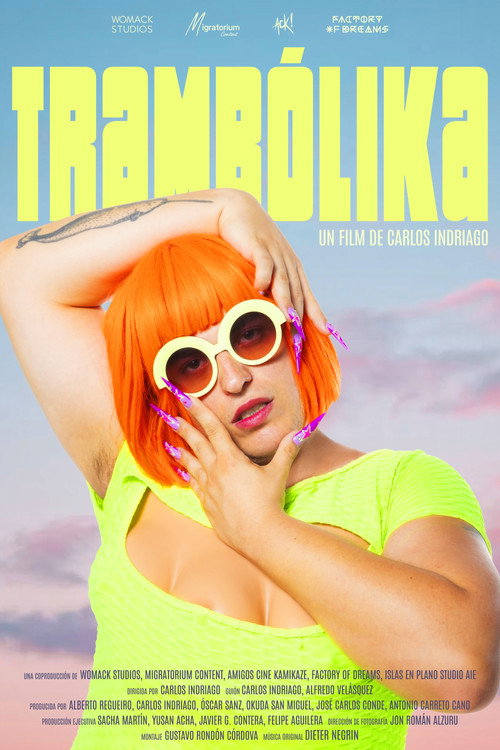
Trambólika is an intimate and colorful journey into the life of Chelo, a queer artist from La Mancha (Spain), whose techno beats and staging shatter all established norms in a unique revolution of art and identity. A Venezuelan migrant director discovers her and is captivated by the reflection of his own yearning for life. It is a story brimming with love, authenticity, and acceptance, free from the usual conflicts experienced by the LGBTQI+ community in rural areas.

Documentary as part of HBO’s America Undercover documentary series that looks at several people and their experiences of being gay.

Lean (25) is a transfeminine person living in El Dorado, Canelones Uruguay. In the early stages of her transition, she struggles with the “masculine” perception of her body. Every day, she meticulously observes herself in the mirror and transforms herself with her own hands. Lean is also a philosophy teacher at Los Cerrillos High School. Within the institution, we see a certain rigidity and discretion in her, but also the bond she shares with her students, with whom she opens up about aspects of her personal life. She is surrounded by her chosen family, House of Infernal, where she can openly discuss issues related to trans life with complete naturalness. Together, they attend kikis, events within Uruguay’s ballroom scene, where they perform and express themselves through their bodies. In this way, our protagonist manages to escape the heteronormative everyday life by creating safe spaces and building a community of people who support one another.

This documentary discusses how LGBTIQA+ people experience the streets and nightlife of Istanbul in terms of a safe space through the unique, yet common experiences of queers from different backgrounds, and focuses especially on nightlife and the issue of safe space there, which is a very critical area for queers to exist as they are.

"The Patchwork Girl" follows Nati Amos, born with amniotic band syndrome and subjected to more than seventy surgeries in a country where the healthcare system turns away and social inclusion remains scarce. In the colorful world of the circus, she discovers love, admiration, and a place where difference becomes its own kind of beauty.
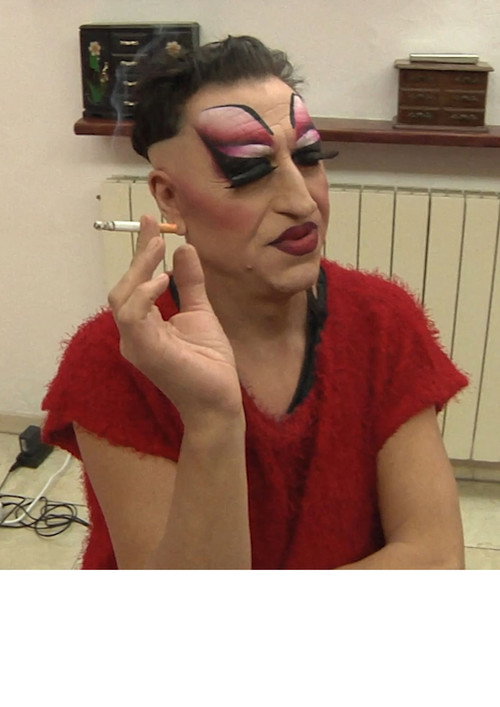
Fernanda Ocaña, a 60-year-old drag artist from Seville, left her hometown at 14 to build a life in Barcelona. Taken in by the iconic Spanish artist José Pérez Ocaña, she immersed herself in the world of show business. Today, she continues to shine as the host of the Bar Ocaña in Plaza Real, welcoming guests with her unmistakable charm.
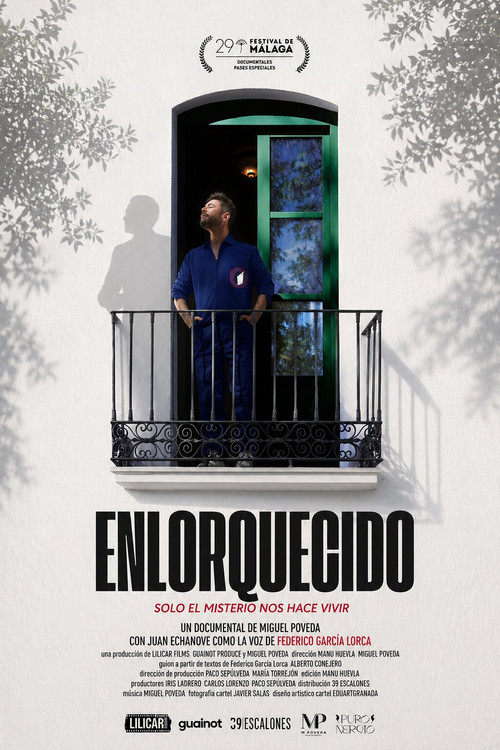
Miguel Poveda embarks on an intimate and personal journey following the footsteps of Federico García Lorca. Rather than a standard tribute, the film is a quest to illuminate forgotten places—from Granada and Madrid to Montevideo and Havana—and understand the artist's own connection to the poet's legacy. Through music, memory, and poetry, Enlorquecido explores the bond between two artists united by passion and art as a form of resistance.

Raves are the pinnacle of creating safe spaces; houses creative expression through music, fashion, and icons that promote community building. We follow D Waviee, a DJ and a trans icon in the Filipino rave scene, while we get a glimpse of the local rave scene—as she closes the night of queer joy, with her music.
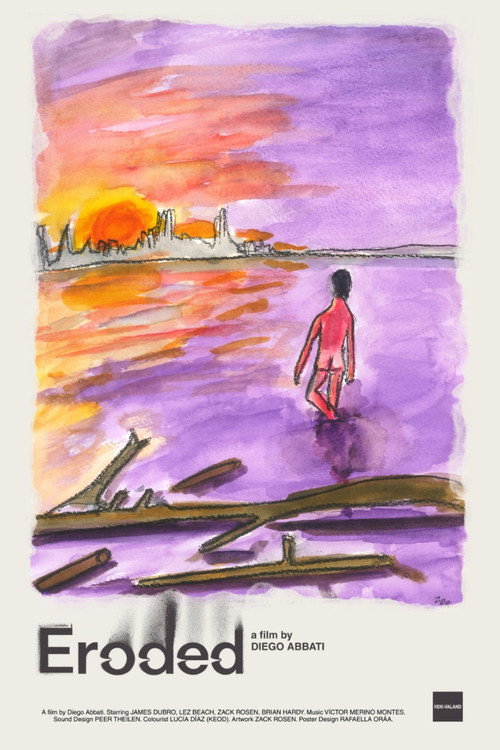
As rising waters wash away Toronto's historic queer beach, its community turns to archives, art, and memory to keep its legacy alive.

Five portraits of artists discuss narratives that reflect how queer and trans creatives understand themselves, their histories, and their representation in relation to environment and landscape, created with care-led practices of audiovisual archive remixes, interviews and collaborative performances. These interventions weave through each artist’s practice in photography, spoken word, performance, sculpture and music, moving towards an expansive language of BODY(s) and LAND(s).

It's outrageous. It's funny. It's deadly serious. It's Gay Bingo, the monthly bingo game that has become the premiere AIDS fundraising event in the Philadelphia region. Gay Bingo debuted in Philadelphia in 1996 as a fundraiser for The AIDS Fund, which benefits more than 40 AIDS service organizations in the region. To date, the games have raised more than half a million dollars.

A home video style documentary following a band of trans women as they tour westward across the United States and Canada.
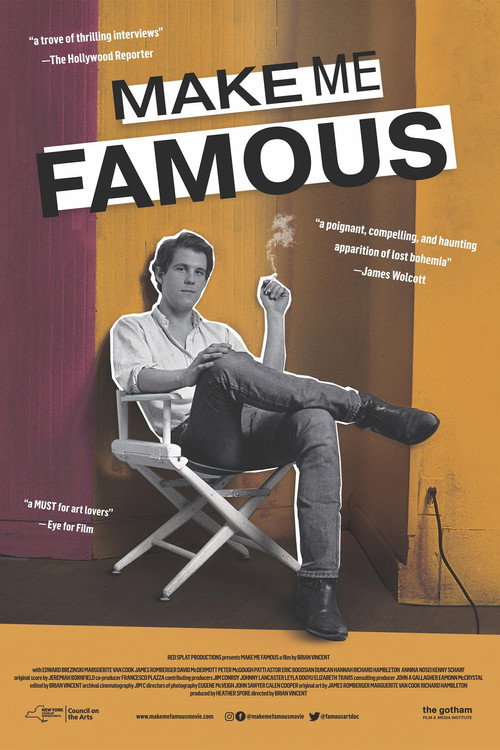
An investigation of Edward Brezinski, an ambitious, charismatic Lower East Side painter hell-bent on sucess, who thwarted his own career with antics that roiled NYC’s art elite. Brezinski’s quest for fame gives an intimate portrait of the art world’s attitude towards success and failure, fame and fortune, notoriety and erasure.

Filmed in their home in Norway, this intimate documentary follows conversations between trans physician and queer-rights advocate Esben Esther Pirelli Benestad and their partner Elsa Almås. As Esben Esther lives with cancer, they reflect on queer aging, love and mortality, and what it means to face an uncertain future together.

ᎠᏲᎧ is a portrait of Ahyoka Youngdeer, Cherokee culture bearer, teacher, and two-spirit activist. Weaving her own life with a traditional Cherokee story about a crooked-face boy, Ahyoka traces how exclusion was never a Cherokee value and reminds us what it truly means to be a Keetoowah person.

"Football is synonymous with childhood and the neighborhood," asserts an interviewee in ‘La soledad del jugador de banda’ (‘The Loneliness of the Left Wing-Back’). Through the analogy between football and cinema, this documentary addresses the social, community, and identity-shaping power of the sport. Set against the backdrop of the working-class neighborhoods in southern Madrid, it reveals the desire to make films and the opportunities available to the working class to do so. Thus emerges a metacinematic narrative to reflect on form and the implications of creators and their desires. Furthermore, it explores how the communities built around football interact with the "other"—with the marginalized—through homophobia and machismo in sports. The filmmaker lays himself bare to tell his story as a fan, a player, a queer individual, and an aspiring filmmaker.
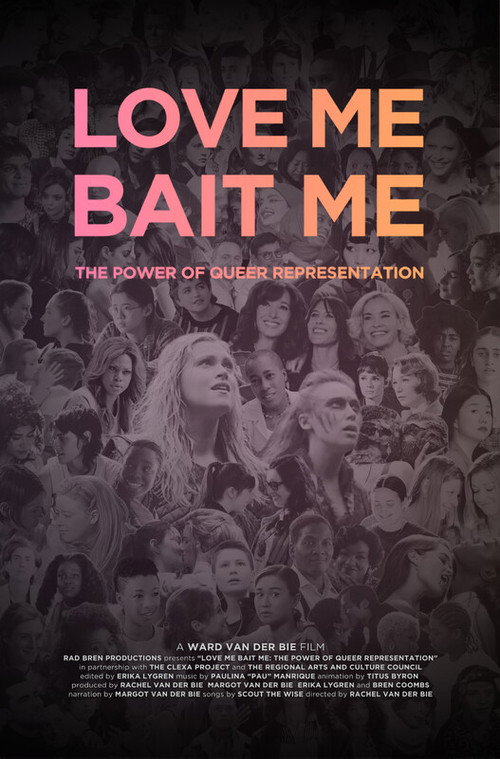
This feature documentary explores the historical relationship between Hollywood, television, and the authentic portrayal of diverse LGBTQ+ experiences over the course of more than a century. Interviews and archival footage provide a critique of the U.S. film industry that emphasizes the life-saving role storytelling plays in our collective imagination for a better future.

In Medellín, Cuchas, a Queer punk band, challenges a scene that claims to be rebellious but rejects new forms of dissent. Through their music and daily lives, the documentary follows their journey of identity and resistance in an environment that makes their existence uncomfortable.