Post-credit scenes: results for “tag: racketeers”

Poster art for The Walking Dead (1936), an open question on post-credit scenes.

Down-on-his-luck John Ellman is framed for a judge's murder. After he's convicted and sentenced to death, witnesses come forth and prove his innocence. But it was too late for a stay to be granted and Ellman is executed. A doctor uses an experimental procedure to restore him to life, though the full outcome is other than expected.

Out of the Fog (1941) cover. Nothing recorded about its credits.

A Brooklyn pier racketeer bullies boat-owners into paying protection money but two fed-up fishermen decide to eliminate the gangster themselves rather than complain to the police.

Movie art for The Big Racket (1976), post-credit scene unknown.

Nico Palmieri is a police inspector who battles a criminal gang terrorizing a sleepy Italian town, extorting cash from the local merchants. With the threat of violence, no one dares to act, except for a restaurant owner who is forced by Palmieri to tell the truth.

Film artwork for Fast and Furious (1939), no verdict on the credits.

Joel & Garda Sloan, a husband and wife detective team, who also sell rare books in New York, take a vacation to Seaside City. At Seaside, Joel's pal, Mike Stevens is managing and preparing for their beauty pageant. Joel is made one of the judges plus he has invested $5,000 in it, to Garda's dismay. Eric Bartell, promoter, arrives to dupe Stevens. When Ed Connors, New York racketeer arrives, Bartell is mysteriously murdered. Joel and Garda set out to investigate the murder.

Cover image for Hide-Out (1934), not yet voted on.

Wounded criminal Lucky Wilson takes refuge in a small Connecticut farm. He falls in love with the farmer's daughter who at first is unaware of his criminal record. Lucky is fully prepared to shoot his way out when the cops come calling, but he is softened by the daughter's affections.

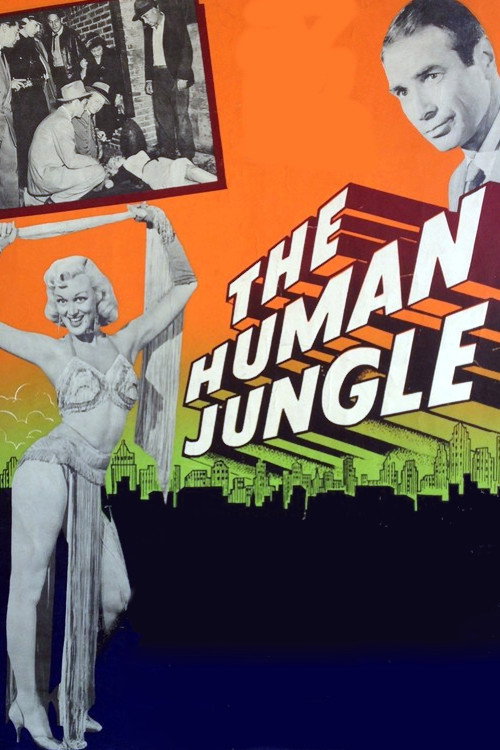
Movie poster for The Human Jungle (1954), waiting for its first vote.

Danforth is assigned to take over the police department in a section of a large city saddled with juvenile delinquency, petty crimes, graft and also a recent unsolved murder of a strip-tease dancer. Recognizing the laxity of the department he implements many changes and soon finds himself under fire by the newspapers, the attorney of a racket leader and the denizens of this human jungle.

Movie art for You're Not So Tough (1940), post-credit scene unknown.

The Dead End Kids are out of the slums of New York's East Side and running around the sunny valleys of California looking for a way to make a quick buck. The idea of working never enters their minds until Halop is egged on by Grey to show his capabilities. Before long, he and Hall are working on the ranch of Galli, an elderly Italian woman who treats her workers like human beings instead of animals. Galli's son disappeared as an infant, and Halop tries to convince her that he is that long lost son, thus possibly sharing in her wealth. Galli is such a good person that Halop is soon motivated by respect instead of greed, so he devises a plan to help her when truckers and a labor organization band together to keep her crops from making it to market.

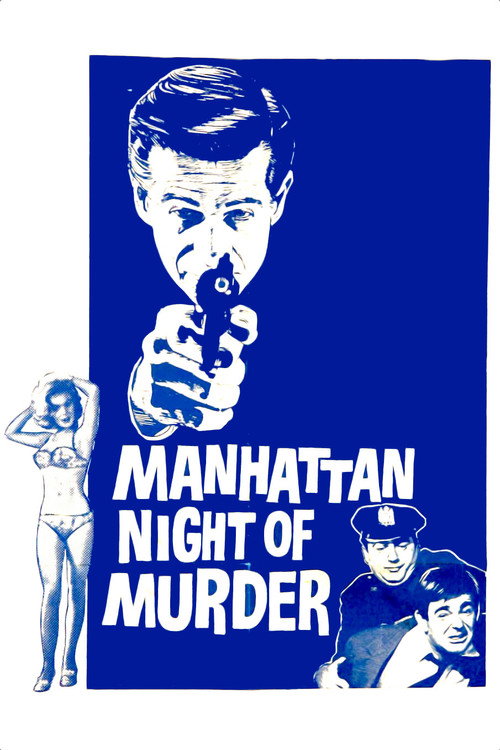
Film poster, Manhattan Night of Murder (1965). No post-credit verdict yet.

Second Jerry Cotton movie. A ring of gangsters has been terrorizing New York City. Special agent Jerry Cotton is summoned by the FBI to help crack down on the Criminals and put them out of business. He doesnt pull any punches either.

Racketeers in Exile (1937) poster. The count is still zero.

In this gangster movie, a criminal king-pin and his gang hide out in his hometown where they witness a religious revival that inspires the man to begin billing himself as a "born-again" evangelist so he can cash in on the guilty consciences of local businessmen.

Poster art for Noose (1948), an open question on post-credit scenes.

Set in post Second World War Britain, Noose is the story of black market racketeers who face attempts to bring them to justice by an American fashion journalist, her ex-army fiancée and a gang of honest toughs from a local gym. When a corpse turns up at black market front The Blue Moon Club, Yank reporter Carole Landis starts snooping, much to gang boss Joseph Calleia’s annoyance. And soon there’s a hit man on the way...

Poster for Violence (1947), blank on post-credit scenes.

Magazine writer Ann Mason infiltrates the United Defenders, a public service organization which is actually a front for racketeers. But a case of amnesia threatens to blow her cover.

Privacy policy

When you vote, we save your Yes or No answer and when you voted.

We use a cookie and your internet address to recognize your vote on each movie. This prevents repeat votes. The cookie lasts for five years.

Your votes are kept as part of the movie totals.