
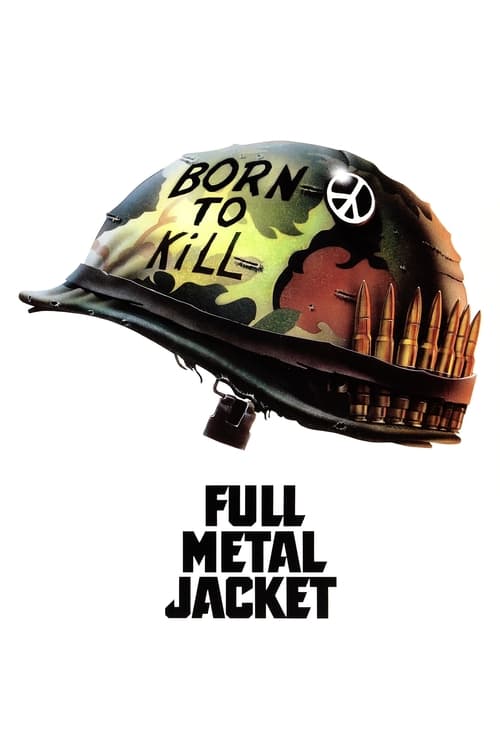
A pragmatic U.S. Marine observes the dehumanizing effects the U.S.-Vietnam War has on his fellow recruits from their brutal boot camp training to the bloody street fighting in Hue.
A pragmatic U.S. Marine observes the dehumanizing effects the U.S.-Vietnam War has on his fellow recruits from their brutal boot camp training to the bloody street fighting in Hue.

The story of a group of men, an Army Rifle company called C-for-Charlie, who change, suffer, and ultimately make essential discoveries about themselves during the fierce World War II battle of Guadalcanal. It follows their journey, from the surprise of an unopposed landing, through the bloody and exhausting battles that follow, to the ultimate departure of those who survived.
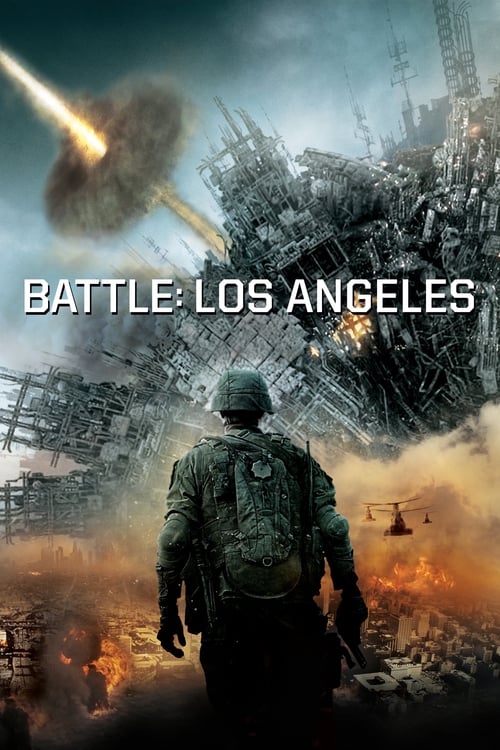
When once distant UFOs become a terrifying threat and an alien invasion force begins attacking Earths major costal and riverside cities, a U.S Marine staff sergeant and his team are sent into battle only to find they must take it upon themselves to defeat an unknown enemy and protect what remains of Los Angeles.

It is 1943, and the German army—ravaged and demoralised—is hastily retreating from the Russian front. In the midst of the madness, conflict brews between the aristocratic yet ultimately pusillanimous Captain Stransky and the courageous Corporal Steiner. Stransky is the only man who believes that the Third Reich is still vastly superior to the Russian army. However, within his pompous persona lies a quivering coward who longs for the Iron Cross so that he can return to Berlin a hero. Steiner, on the other hand is cynical, defiantly non-conformist and more concerned with the safety of his own men rather than the horde of military decorations offered to him by his superiors.
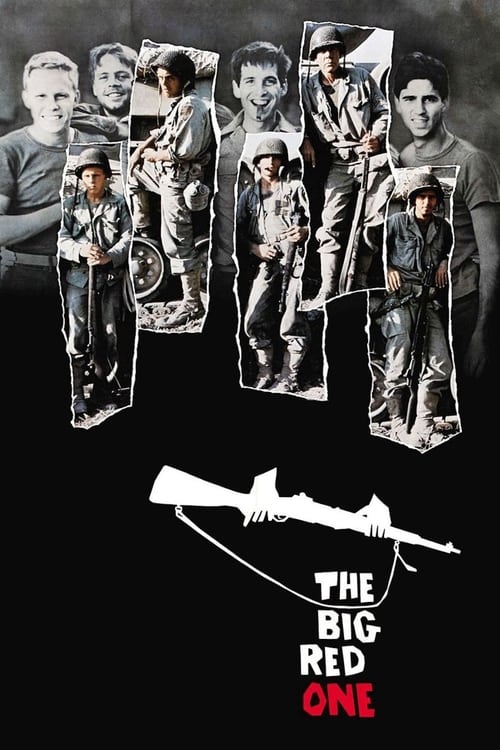
A veteran sergeant of World War I leads a squad in World War II, always in the company of the survivor Pvt. Griff, the writer Pvt. Zab, the Sicilian Pvt. Vinci and Pvt. Johnson, in Vichy French Africa, Sicily, D-Day at Omaha Beach, Belgium and France, and ending in a concentration camp in Czechoslovakia where they face the true horror of war.

Haunted by personal demons, Marine Sgt. John Stryker is hated and feared by his men, who see him as a cold-hearted sadist. But when their boots hit the beaches, they begin to understand the reason for Stryker's rigid form of discipline.

Experienced Green Beret sergeant Johnny Gallagher is escorting a prisoner, Airborne Ranger Thomas Boyette, back to the US, but Boyette escapes and Gallagher must risk life and limb to catch him.
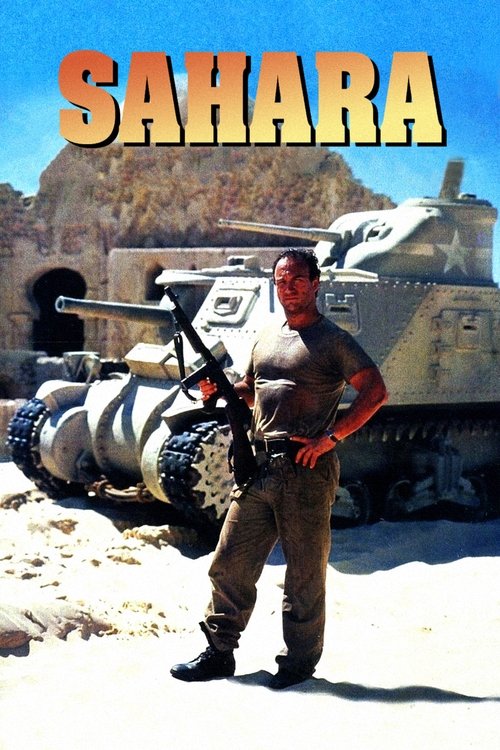
After the fall of Tobruk in June 1942, U.S. Army sergeant Joe Gunn leads his tank into the Sahara desert, in order to evade advancing Rommel's forces and reach Allied lines. Along the way he picks up few Allied soldiers, but soon they are running out of water. They find water at the ancient well, but the well is a goal of an entire German battalion. Despite the impossible odds, Sergeant Gunn decides to defend the well.

As punishment for drunken, rebellious behavior, a young white soldier is thrown into a stockade populated entirely by black inmates. But instead of falling victim to racial hatred, the soldier joins forces with his fellow prisoners and rises up against the insanely tyrannical and bigoted prison warden.

In Libya, an American tank commander, along with a handful of Allied soldiers, tries to defend an isolated well with a limited supply of water from a German Afrika Korps battalion during the Western Desert Campaign of World War II.
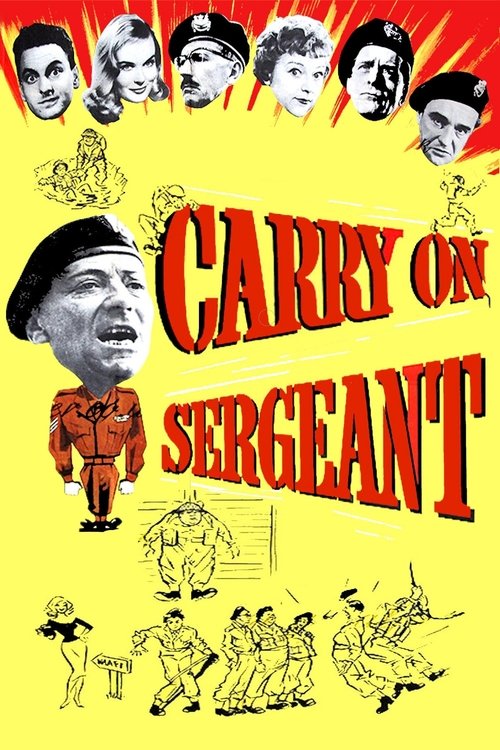
Sergeant Grimshawe wants to retire in the flush of success by winning the Star Squad prize with his very last platoon of newly called-up National Servicemen. But a motley bunch they turn out to be, and it's up to Grimshawe to put the no-hopers through their paces.

A ragtag group of American stragglers battles against superior Communist troops in an abandoned Buddhist temple during the Korean War.

During World War II, a junior American Army officer, Lt. Peter Stirling, gets sent to the psychiatric ward whenever he insists that an Army mule named Francis speaks to him.

Sam Gifford remembers : In prewar years he was an arrogant southern cotton plantation owner, married to the daughter of a colonel. At the beginning of the war he was mobilized with his National Guard unit as a sergeant. Came the day when, revolted by the cowardice of his lieutenant, who had fired at his own men, he hit him. Downgraded, he was sent to a disciplinary battalion. Sam now discovers his new detachment, his new commanding officer, just another cowardly brute, Captain Waco Grimes. While in combat, Sam will gradually become closer to the privates, working-class people he used to despise. He will become another man, a better man.
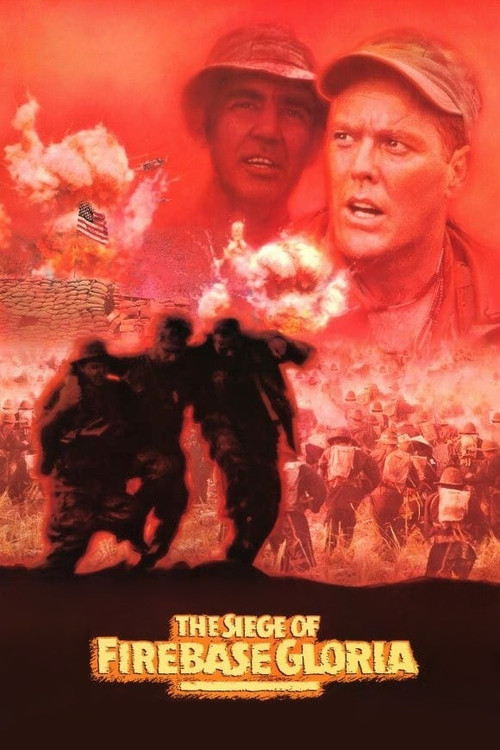
A Marine patrol stops at Firebase Gloria at the start of the Tet Offensive during the Vietnam war. With the firebase attacked, the patrol remains to help defend it.

Based on a true story, James Coburn portrays a military lawyer assigned to defend a confessed psychotic killer. Set in the context of WWII and the uneasy US-Australian military alliance. The accused killer claims to have killed 3 women in order to possess their voices. Despite the defense lawyer's concerns that the killer is not fit to stand trial, the US military presses forward with the case and its desire to have the killer executed in order to strengthen the shaky alliance.

Unable to keep peace between frontier Indians and the US Cavalry, a heroic Captain risks court-martial to prevent bloodshed.

During the Korean War Sergeant Paul Ryker is accused of defecting to Communist China and then returning to his unit as a spy. He's court-martialed and sentenced to death but his attorney believes Ryker's innocent and asks for a new trial.

Journalist Marion Hargrove enters the Army intending to supplement his income by writing about his training experiences. He muddles through basic training at Fort Bragg with the self-serving help of a couple of buddies intent on cutting themselves in on that extra income.

Two Army sergeants disrupt a bar, a party and an Army-Navy dance.