Post-credit scenes: results for “tag: shoplifting”

Shoplifters (2018). Nobody has said whether there is anything after the credits.

In the outskirts of Tokyo, a poor but close-knit group living on the fringes of society survives through shoplifting and odd jobs. When Osamu and his son take in a neglected young girl, their already fragile existence begins to unravel. As the family grows attached to her, buried secrets surface, forcing them to confront the true meaning of love, belonging, and what makes a family.

Poster, I Love Boosters (2026). Nobody has voted on this one.

A group of shoplifters take aim at a cutthroat fashion maven by stealing from her stores and reselling them at a lower price — what they call 'fashion-forward philanthropy'.

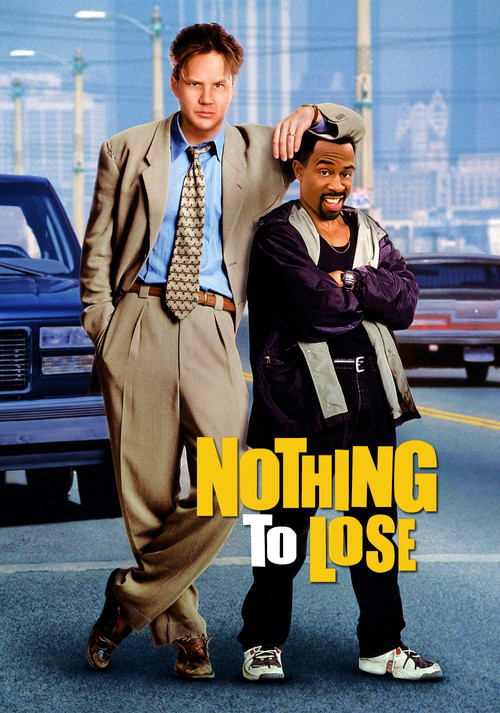
Nothing to Lose (1997) cover. Nothing recorded about its credits.

Advertising executive Nick Beame learns that his wife is sleeping with his employer. In a state of despair, he encounters a bumbling thief whose attempted carjacking goes awry when Nick takes him on an involuntary joyride. Soon the betrayed businessman and the incompetent crook strike up a partnership and develop a robbery-revenge scheme. But it turns out that some other criminals in the area don't appreciate the competition.

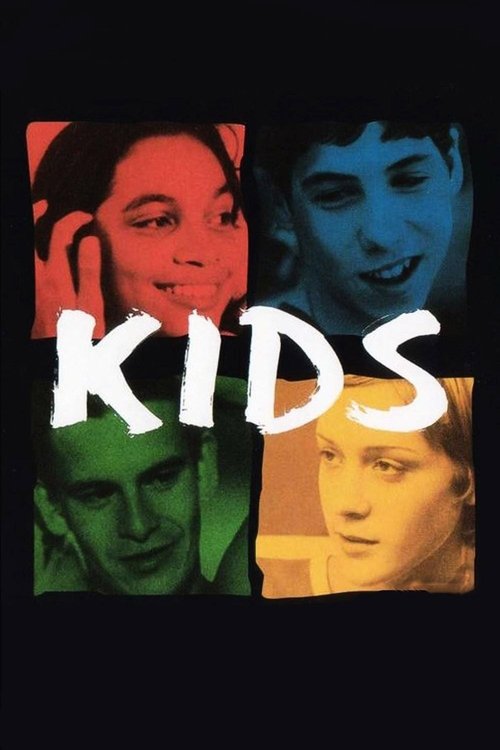
Poster, Kids (1995). Nobody has voted on this one.

A group of bored, disaffected New York City teenagers spend a day skating, smoking, drinking, partying, deflowering virgins, and getting into fights.

Poster for Murmur of the Heart (1971), blank on post-credit scenes.

This loosely plotted coming-of-age tale follows the life of 15-year-old Laurent Chevalier as he stumbles his way over the burgeoning swell of adolescence in 1950s France. After having his first sexual experience with a prostitute and dodging the lips of a priest, Chevalier contracts a case of scarlet fever. When the fever leaves him with a heart murmur, Chevalier is placed in a sanatorium, along with his over-attentive and adulterous mother.

Poster art for Kings (2017), an open question on post-credit scenes.

A foster family in South Central a few weeks before the city erupts in violence following the verdict of the Rodney King trial in 1992.

Poster art for Whirlpool (1950), an open question on post-credit scenes.

The wife of a psychoanalyst falls prey to a devious quack hypnotist when he discovers she is an habitual shoplifter. Then one of his previous patients now being treated by the real doctor is found murdered, with her still at the scene, and suspicion points only one way.

Poster for The Doom Generation (1995). No votes yet on whether it has a post-credit scene.

Jordan White and Amy Blue, two troubled teens, pick up an adolescent drifter, Xavier Red. Together, the threesome embarks on a sex- and violence-filled journey through a United States of psychos and quickie marts.

Image for Water Lilies (2007), a film with no post-credit data.

Set during a sultry summer in a French suburb, Marie is desperate to join the local pool's synchronized swimming team, but is her interest solely for the sake of sport or for a chance to get close to Floriane, the bad girl of the team? Sciamma, and the two leads, capture the uncertainty of teenage sexuality with a sympathetic eye in this delicate drama of the angst of coming-of-age.

Poster art for The Big Store (1973), an open question on post-credit scenes.

Four guys working for a small grocer in trouble, declare war on a new giant neighborhood supermarket by attempting several coups. A film about the big store taking over the business of smaller stores.

Poster for Street Trash (1987). Never been answered.

A group of hobos begin melting into multicolored piles of goo after drinking sixty-year-old liquor. At the same time, the psychotic Vietnam War vet who rules the hobo camp snaps and begins killing at random. Two brothers set out to stop the liquor and the killer.

Key art for Intolerance (2021), unanswered on the post-credit question.

A teenage girl's accidental death incites a media frenzy and causes her harsh father to turn his rage against those he believes are responsible.

Movie art for Paris Is Burning (1991), post-credit scene unknown.

Where does voguing come from, and what, exactly, is throwing shade? This landmark documentary provides a vibrant snapshot of the 1980s through the eyes of New York City's African American and Latinx Harlem drag-ball scene. Made over seven years, PARIS IS BURNING offers an intimate portrait of rival fashion "houses," from fierce contests for trophies to house mothers offering sustenance in a world rampant with homophobia, transphobia, racism, AIDS, and poverty. Featuring legendary voguers, drag queens, and trans women — including Willi Ninja, Pepper LaBeija, Dorian Corey, and Venus Xtravaganza.

Poster, Cherrybomb (2009). Nobody has voted on this one.

Teenagers Luke, Malachy, and Michelle embark on a wild weekend of drink, drugs, shop-lifting and stealing cars. But what starts out as a game turns deadly serious when the three discover that they can't get off the wild ride they've set in motion.

Poster for Camp Harlow (2014). No votes yet on whether it has a post-credit scene.

On the brink of a family crisis, Alex finds herself being sent to the last place she wants to be, summer camp. Knowing that a young admirer from school will be at the camp, Alex reluctantly agrees. Thrown into a group of people she has never met, Alex is determined to shut out the world. However, Alex is brought out of the corners of her own heart by the most unlikely of friends: a horse.

Cover image for My Friend Henry (2004), not yet voted on.

When 12-year-old Elsi Björkman and her mother Paula return from a week's holiday abroad, Elsi immediately notices that someone has been in her room. She tells her mother about it, but she does not believe her. At the local supermarket Elsi meets Henry, who seems to spend his time returning shopping trolleys. Elsi does not know anything about the boy, who has an irritating habit of appearing from out of nowhere, only to disappear again, as if into thin air. Nevertheless, the children become friends.

Ruby in Paradise (1993) poster. Still unanswered: is there a scene after the credits?

Reeling from her mother's recent death, Ruby Lee Gissing relocates to Florida to start anew. After finding a job at a souvenir store, Ruby becomes friends with the shop's owner, Mildred Chambers, and slowly acclimates to her new surroundings. Before long, she's juggling the affections of Mildred's Lothario son, Ricky, and the good-natured Mike. As she wavers between Ricky and Mike, Ruby also tries to come to terms with her past.

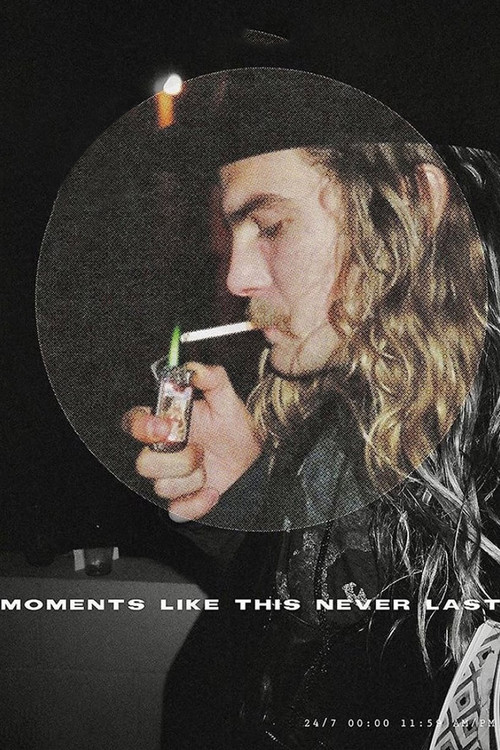
Poster for Moments Like This Never Last (2021). Never been answered.

Dash Snow rejected a life of privilege to make his own way as an artist on the streets of downtown New York City in the late 1990s. Developing from a notorious graffiti tagger into an international art star, he documented his drug- and alcohol-fueled nights with the surrogate family he formed with friends and fellow artists Ryan McGinley and Dan Colen before his death by heroin overdose in 2009. Drawing from Snow’s unforgettable body of work and involving archival footage, Cheryl Dunn’s exceptional portrait captures his all-too-brief life of reckless excess and creativity.

Privacy policy

When you vote, we save your Yes or No answer and when you voted.

We use a cookie and your internet address to recognize your vote on each movie. This prevents repeat votes. The cookie lasts for five years.

Your votes are kept as part of the movie totals.