

After kidnapping a father and his two kids, the Gecko brothers head south to a seedy Mexican bar to hide out in safety, unaware of its notorious clientele.
After kidnapping a father and his two kids, the Gecko brothers head south to a seedy Mexican bar to hide out in safety, unaware of its notorious clientele.
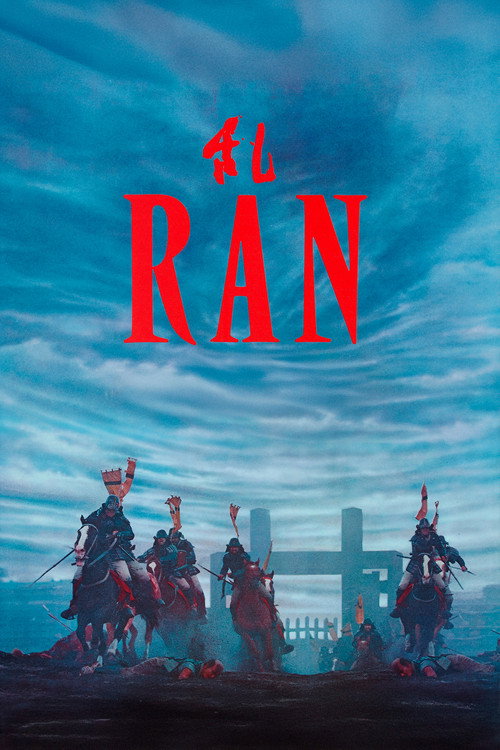
Shakespeare's King Lear is reimagined as a singular historical epic set in sixteenth-century Japan where an aging warlord divides his kingdom between his three sons.

In 1429, a French teenager stood before her King with a message she claimed came from God; that she would defeat the world's greatest army and liberate her country from its political and religious turmoil. As she reclaims God's diminished kingdom, this courageous young woman has various amazing victories until her violent and untimely death.
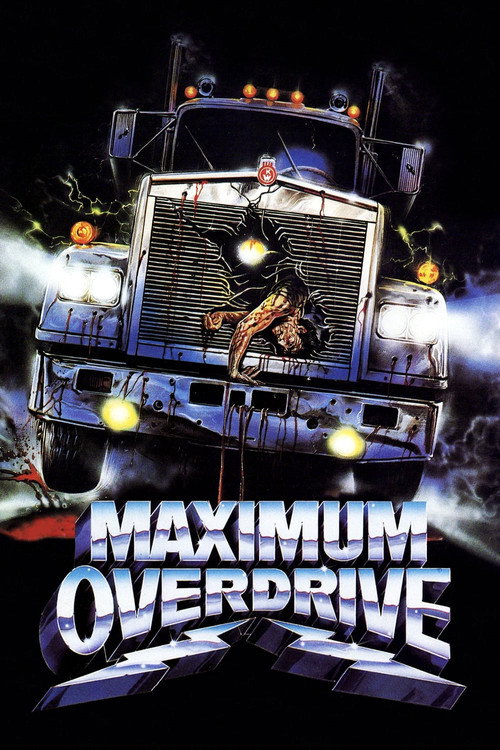
When a comet passes close to the earth, machines all over the world come alive and go on homicidal rampages. A group of people at a desolate truck stop are held hostage by a gang of murderous 18-wheelers. The frightened people set out to defeat the killer machines…Or be killed by them.

A band of soldiers is dispatched to war games deep in the woods. When they stumble across a rival team slaughtered in camp, they realize they're not alone.
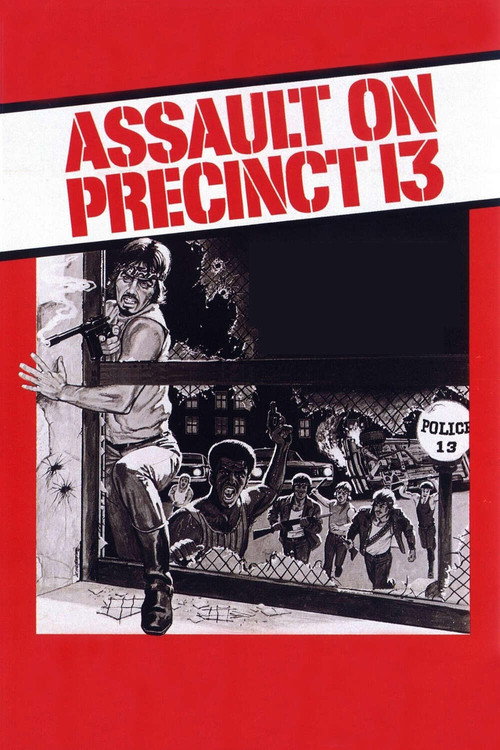
A highway patrol officer, two criminals, and a station secretary form an unlikely alliance to defend a defunct Los Angeles precinct against a siege by a bloodthirsty street gang.

Returning to their lord's castle, samurai warriors Washizu and Miki are waylaid by a spirit who predicts their futures. When the first part of the spirit's prophecy comes true, Washizu's scheming wife, Asaji, presses him to speed up the rest of the spirit's prophecy by murdering his lord and usurping his place. Director Akira Kurosawa's resetting of William Shakespeare's "Macbeth" in feudal Japan is one of his most acclaimed films.

Kingdom of Goguryeo, ancient Korea, 645. The ruthless Emperor Taizong of Tang invades the country and leads his armies towards the capital, achieving one victory after another, but on his way is the stronghold of Ansi, protected by General Yang Man-chu, who will do everything possible to stop the invasion, even if his troops are outnumbered by thousands of enemies.
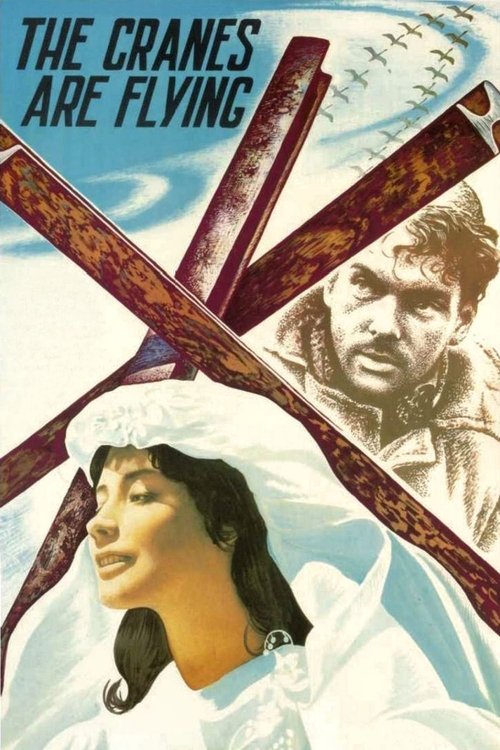
Veronika and Boris come together in Moscow shortly before World War II. Walking along the river, they watch cranes fly overhead, and promise to rendezvous before Boris leaves to fight. Boris misses the meeting and is off to the front lines, while Veronika waits patiently, sending letters faithfully. After her house is bombed, Veronika moves in with Boris' family, into the company of a cousin with his own intentions.

In 1937, eight hundred Chinese soldiers fight under siege from a warehouse in the middle of the Shanghai battlefield, completely surrounded by the Japanese army.

On a remote Caribbean island, Army Ranger Joe Armstrong investigates the disappearance of several marines, which leads him to The Lion, a super-criminal who has kidnapped a local scientist and mass-produced an army of mutant Ninja warriors.

English General Charles George Gordon is appointed military governor of Anglo-Egyptian Sudan by the Prime Minister. Ordered to evacuate Egyptians from the Sudan, Gordon stays on to protect the people of Khartoum, who are under threat of being conquered by a Muslim army.

Diplomats, soldiers and other representatives of a dozen nations fend off the siege of the International Compound in Peking during the 1900 Boxer Rebellion. The disparate interests unite for survival despite competing factions, overwhelming odds, delayed relief and tacit support of the Boxers by the Empress of China and her generals.

The Philippines, 1898. Fifty Spanish soldiers arrive in the small village of Baler to rebuild an outpost. Although the war against the Filipinos and their American allies is almost lost, as is the Spanish Empire, the garrison will endure a cruel siege for eleven months. They will be the last to surrender.

In 370 B.C, China was separated as seven nations and several other small tribes, one of these being the city state of Liang. The nation of Zhao is led by the terrifying Xiang Yangzhong who orders his troops to conquer the small city. Leaping to the defense of the people of Liang is 'Ge Li' from the Mo-Tsu tribe, their last hope from the terrors of Yangzhong's troops.

Rufus T. Firefly is named president/dictator of bankrupt Freedonia and declares war on neighboring Sylvania over the love of wealthy Mrs. Teasdale.

A quartet of murderous psychopaths break out of a mental hospital during a power blackout and lay siege to their doctor's house.

When a night of partying leads four friends to kick on, at the extravagant drug-fueled lair of a mobster's reckless son, they find themselves fighting for their lives amidst a brutal spiral of paranoia, violence and ultimate betrayal.
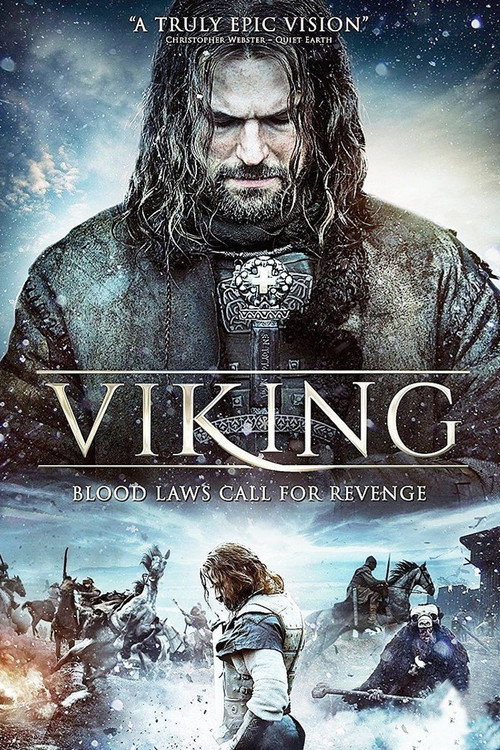
The early Middle Ages. A time of heavy swords and dark blood law. The ruling clan is in discord. The guilt for the accidental death of the brother has fallen on the Grand Duke. According to the law, revenge must be taken by the younger brother, a bastard. For the refusal to kill, he has to pay with eve- rything he had, because “for peace you need more swords than for a war”...

The background to and depiction of a watershed battle in Japanese history, at Sekigahara in 1600, when Tokugawa Ieyasu's Army of the East defeated the Army of the West of Ishida Mitsunari. The story includes the intrigues and shifting loyalties of the various retainers, family members, and samurai.