
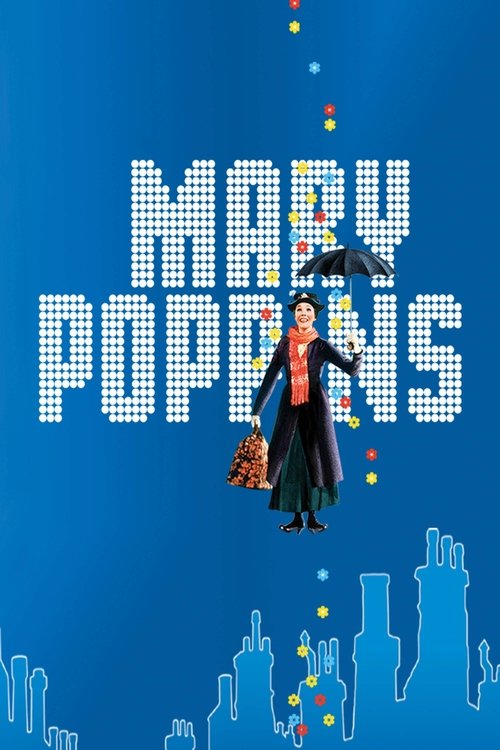
In turn of the century London, a magical nanny employs music and adventure to help two neglected children become closer to their father.
In turn of the century London, a magical nanny employs music and adventure to help two neglected children become closer to their father.

Based on true events about the foot soldiers of the early feminist movement, women who were forced underground to pursue a dangerous game of cat and mouse with an increasingly brutal State.

Written by Dame Ethel Smyth, English composer and leader in the women’s suffrage movement, The Wreckers was first performed in Germany in 1906 and was mounted in the composer’s homeland in 1909. This powerful three-act opera about piracy, love, and betrayal in a community of religious fanatics received its U.S. premiere in 2015 at Bard SummerScape in a penetrating production directed by Thaddeus Strassberger, with the American Symphony Orchestra under the baton of Maestro Leon Botstein.

In the Paris of the 1910s, brash young sculptor Henri Gaudier begins a creative partnership with an older writer, Sophie Brzeska. Though the couple is 20 years apart in age, Gaudier finds that his untamed work is complemented by the older woman's cultural refinement. He then moves to London with Brzeska, where he falls in with a group of avant-garde artists. There, Gaudier encounters yet another artistic muse in passionate suffragette Gosh Boyle.

When the government tries to take away women’s right to vote, Stella joins forces with Carlotta and Marco to raise awareness. In doing so, she meets Prof. Zanetti, once an inspiring woman, now embittered after a life of lost battles.

The story of the struggle for the women's vote is much more than just the account of the exploits of Emmeline Pankhurst or the tragic fate of Emily Davidson. Lucy Worsley puts herself at the heart of the drama, alongside a group of astonishing young working class suffragettes who decided to go against every rule and expectation that British Edwardian society (1901-1910) had about them…

Nelly's mother is a suffragette and persuades her daughter to join the good cause. Placing a bomb under Lord William's chair love develops between the two.
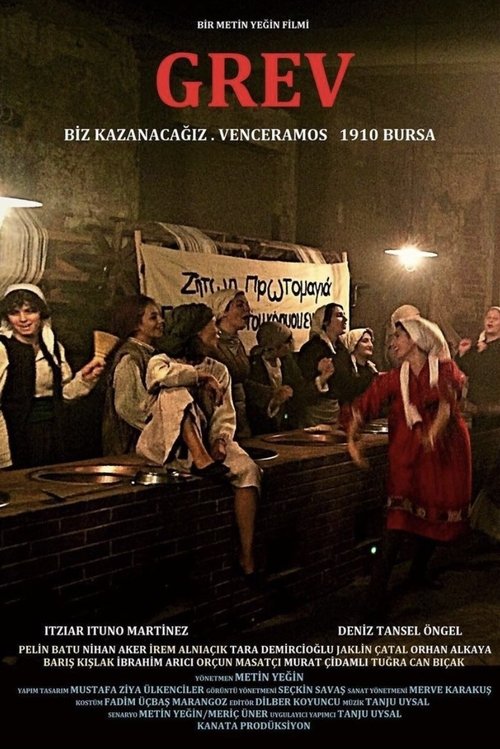
In 1910, women working in the silk industry in Bursa, protest against the working conditions. They go on strike.

The campaign for women's suffrage steps up as Emmeline Pankhurst is arrested at the gates of Buckingham Palace.

Stan Laurel is picked up at the train depot and brought back by the husband to the family home where the wife is having a suffragette meeting. None too pleased they cause mayhem and then the neighbours are brought into it as Stan cleans up the backyard by throwing all the rubbish into their award winning garden.

A gentleman who's opposed to and mocks women's suffrage goes for a walk and unknowingly becomes an advertisement for it.
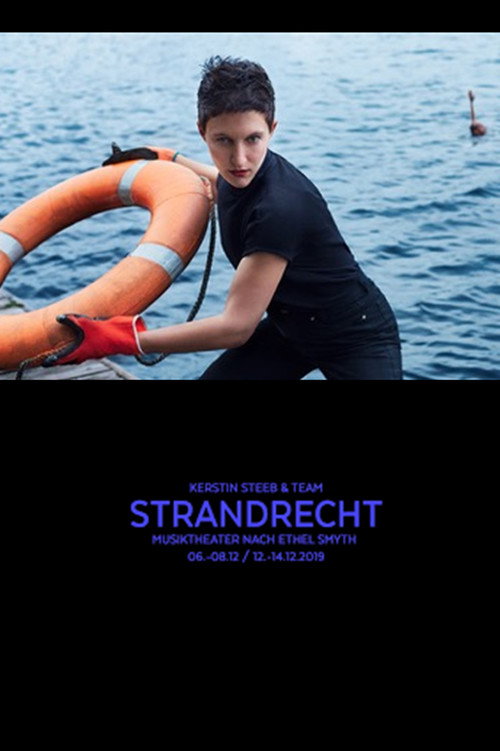
Based on Ethel Smyth's opera The Wreckers, Kerstin Steeb’s Strandrecht creates a vision of civil disobedience in the guise of a feminist opera—positioned somewhere between lavish music theatreand a performative experience. A contemporary interpretation of this hitherto underappreciated work emerges from a blend of original piano passages, classical vocals, electronic sounds, and new text fragments.

In post-World War I Winnipeg, a Ukrainian immigrant and a Jewish woman get caught up in a labour strike.

Young radio personality Judy Joyner becomes mayor of the moribund town, Sleepy Lagoon, after running on an all women ticket and promptly sets out to turn the town around.

A fictionalised documentary that tells the story of María Lejárraga, writer and pioneer of feminism in Spain during the 1920s, whose work was produced under the name of her husband, the theatre impresario Gergorio Marinez Sierra. Lejárraga was the most prolific Spanish female playwright of all time. She is the author of works such as "Cancion de cuna", as well as a member of parliament for the Second Republic and founder of pioneering projects for women's rights and freedoms.

Women attending a suffragette club meeting wear pants, boss their husbands, neglect their kids, play poker, and fight. Their husbands stay home to care for the children and run the household.

In 1913/14, the most radical women's rights activists in England formed a secret society to protect their sister suffragettes from assault and arrest. They trained in martial arts, carried concealed weapons and used ingenious evasion and deception tactics. These women were known as The Bodyguard, and this is their story.

It is 1913. Women across the country, outraged by inequality and prejudice are beginning to rise up and demand change. In York, a revolution is about to take place as an ordinary Heworth housewife risks her life and her family to join the fight. And she's not alone. Across the city, women run safe-houses, organise meetings, smash windows and fire-bomb pillar boxes. It's dangerous, it's exhilarating, it's ground-breaking: and in 2017 the amazing story of York's suffragettes will be told for the first time. Everything is Possible is York Theatre Royal and Pilot Theatre's latest large-scale community production. The play was performed on a spectacular scale with a cast of around 150 and a choir of 80. The performance started outdoors before moving onto the stage at York Theatre Royal. We raised the purple, green and white flags and cried "Votes for Women!" to sold-out audiences.

Moira Mulholland narrates the history of (European) women's rights through images, interviews, and performances focusing in on the Women's Suffrage Movement in Canada.

This documentary examines issues related to the struggle for gender equity and the portrayal of suffragettes in the early days of the silver screen. It contains footage from many suffrage-era silent films, including A Lively Affair (1912); A Busy Day (1914), and the pro-suffrage film, What 80 Million Women Want (1913).