Post-credit scenes: results for “tag: tatars”

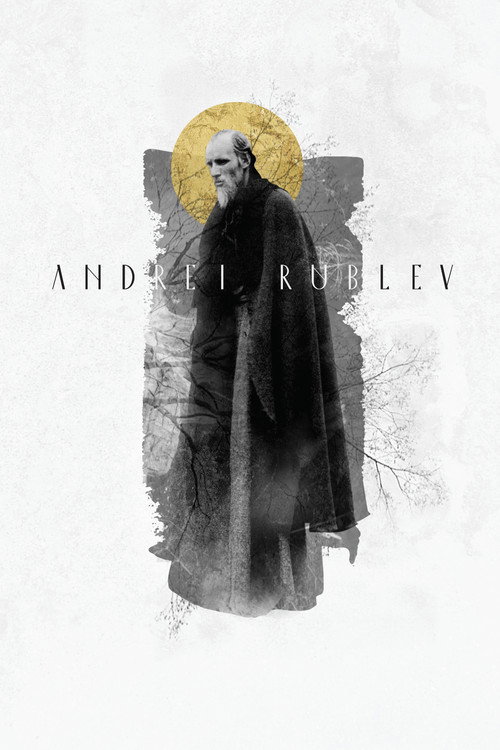
Andrei Rublev (1966) poster. The count is still zero.

An expansive Russian drama, this film focuses on the life of revered religious icon painter Andrei Rublev. Drifting from place to place in a tumultuous era, the peace-seeking monk eventually gains a reputation for his art. But after Rublev witnesses a brutal battle and unintentionally becomes involved, he takes a vow of silence and spends time away from his work. As he begins to ease his troubled soul, he takes steps towards becoming a painter once again.

Movie poster for Ivan the Terrible, Part I (1944), waiting for its first vote.

Set during the early part of his reign, Ivan faces betrayal from the aristocracy and even his closest friends as he seeks to unite the Russian people. Sergei Eisenstein's final film, this is the first part of a three-part biopic of Tsar Ivan IV of Russia, which was never completed due to the producer's dissatisfaction with Eisenstein's attempts to use forbidden experimental filming techniques and excessive cost overruns. The second part was completed but not released for a decade after Eisenstein's death and a change of heart in the USSR government toward his work; the third part was only in its earliest stage of filming when shooting was stopped altogether.

Michael Strogoff (1956) poster. The count is still zero.

When Emir Feofar Khan, leader of the Tartar hordes, takes up arms and invades the steppes of Eastern Siberia, Czar Alexander II of Russia entrusts the brave officer Michael Strogoff with a dangerous mission.

Movie poster for Strogoff (1970), waiting for its first vote.

A captain in the Czar's army encounters danger and romance while carrying a secret message across 19th-century Russia.

Key art for Genghis Khan (1998), unanswered on the post-credit question.

During the 12th Century a boy is born to a tribal chief. He is named Temujin, which means "blacksmith." Nine years later, his father is murdered by the Tartars After a long struggle, just when Temujin reclaims tribal chief status, the Merkit tribe kidnaps his wife. In order to fight against the Merkits, Temujin has to use his mother as a pawn in exchange for troops from ally tribes. Temujin manages to rescue his wife only to realise that she is pregnant with the enemy's child. Enduring tremendous anguish, Temujin throws himself into battle against the Tartars and slaughters the leader of the intruders. He eventually takes his wife back and accepts her child. Later on, he begins a campaign to unify all Mongolian tribes. By the age of 40, he is bestowed the title "Genghis Khan", which means "oceanic ruler".

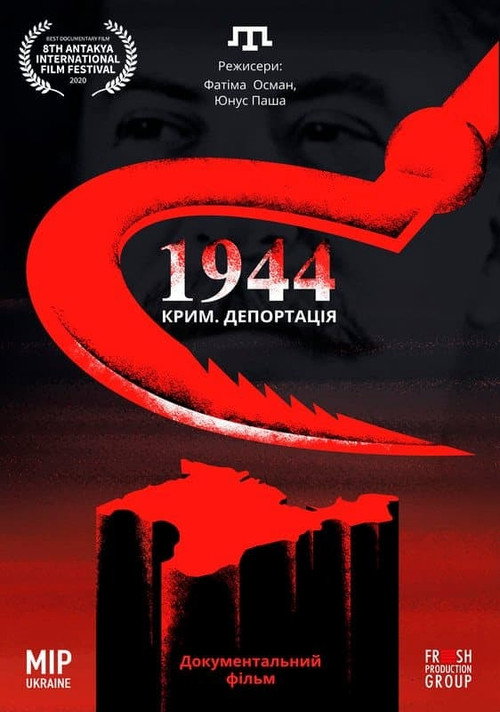
Film artwork for 1944. Deportation (2019), no verdict on the credits.

In 1944 Crimean Tatars has suffered a long road in exile. It was accompanied by famine, illness and loss. In the first years of exile, almost half of deported Crimean Tatars died. But those, who survived, dreamed of only one thing - to return to Crimea. The documentary 1944 tells about the tragedy of all Crimean Tatars through several separate life stories. They are cherished by each Crimean Tatar family and must be remembered by all generations to come.

Key art for Foreign Prayer (2017), unanswered on the post-credit question.

Nazi-occupied Crimea, 1944. A boy named Itzhak turns to Saide Arifova, a local Tatar Muslim woman, for help, explaining that he and a group of other Jewish orphans are hiding from the Nazis. Arifova faces a moral dilemma: should she try to help them or save herself by refusing? Despite the impending danger, she decides to protect the children by hiding them in plain sight, and disguising them as Tatars and adopting them into the local community.

Great Spirit: nobody has checked the credits yet.

Documentary video journey in search of the missing Tatar poet Rahim Sattar. The path from the present to the past runs through a polylogue of experts, folk music, works by contemporary artists, musical and creative interpretation of poems by Rahim Sattar and unique archival newsreels shot at the dawn of cinema.

Privacy policy

When you vote, we save your Yes or No answer and when you voted.

We use a cookie and your internet address to recognize your vote on each movie. This prevents repeat votes. The cookie lasts for five years.

Your votes are kept as part of the movie totals.