Post-credit scenes: results for “tag: voguing”

Baby (2025): nobody has checked the credits yet.

After being released from a juvenile detention center, Wellington finds himself alone and adrift on the streets of São Paulo, without any contact from his parents and lacking the resources to rebuild his life. During a visit to a porn theater, he encounters Ronaldo, a mature man, who teaches him new ways of surviving. Gradually, their relationship turns into a conflicting passion, oscillating between exploitation and protection, jealousy and complicity.

Movie art for Paris Is Burning (1991), post-credit scene unknown.

Where does voguing come from, and what, exactly, is throwing shade? This landmark documentary provides a vibrant snapshot of the 1980s through the eyes of New York City's African American and Latinx Harlem drag-ball scene. Made over seven years, PARIS IS BURNING offers an intimate portrait of rival fashion "houses," from fierce contests for trophies to house mothers offering sustenance in a world rampant with homophobia, transphobia, racism, AIDS, and poverty. Featuring legendary voguers, drag queens, and trans women — including Willi Ninja, Pepper LaBeija, Dorian Corey, and Venus Xtravaganza.

Poster art for Kiki (2016), an open question on post-credit scenes.

25 years after Paris is Burning, we dive back into the fierce world of voguing battles in the Kiki scene of New York City, where competition between Houses demands leadership, painstaking practice, and performances on point. A film collaboration between Kiki gatekeeper, Twiggy Pucci Garçon, and Swedish filmmaker Sara Jordenö, we’re granted exclusive access into this high stakes world, where tough competitions act as a gateway into the daily lives of LGBTQ youth of color in NYC. The new generation of ballroom youth use the motto, “Not About us Without Us”. Twiggy and Sara’s insider-outsider approach to their stories breathes fresh life into the representation of a marginalized community who demand visibility and real political power.

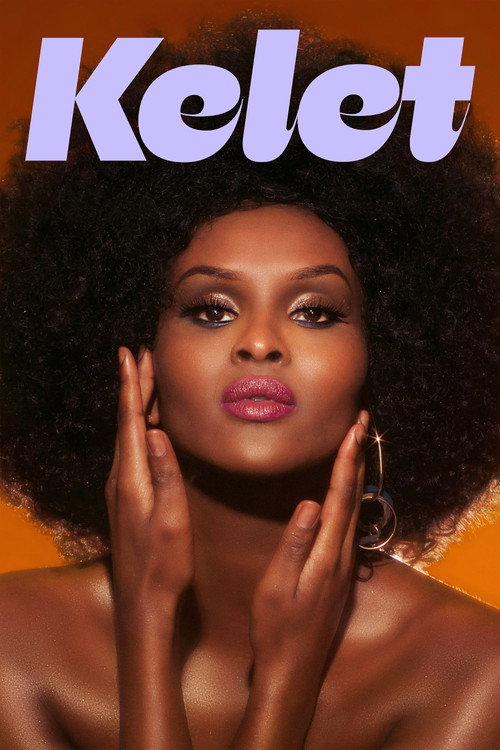
Film poster, Kelet (2020). No post-credit verdict yet.

Kelet is a twentysomething black trans woman, whose greatest dream is to be on the cover of Vogue magazine. For the Finnish-born and Manchester-raised Kelet, such models as Naomi Campbell and Iman served as role models giving her strength – and during the darkest times, kept her alive. After coming out, then 19-year-old Kelet was cut off from her family and she moved back to Finland on her own.

Lua (2024). Nobody has said whether there is anything after the credits.

Joseph Wilson meets the dance teacher fighting transphobic violence through voguing in Rio’s favelas.

Key art for When a Flash Passes Through (2025), unanswered on the post-credit question.

A transvestite force revives the statues in the disobedient nights of Buenos Aires, three months after the irruption of the ultra-right. Three lives intertwined in a friendship, the ballroom scene, the brown trans non-binary existence and poetry. From their own daily lives, Killa, Molly and Andy reflect on their community and the importance of resisting and transforming the reality we inhabit together.

Poster, Fabulous (2019). Nobody has voted on this one.

Ninja is famous around the world for her fierce ballroom performances, but she is not as well-known in her native country of French Guyana. But a trip home to teach a workshop might change that.

Image for Fabulous (2017), a film with no post-credit data.

A glance at the queer universe throughout vogue battles, an emerging street subculture in which gay, transgender and other LGBTQ people take the lead. The film sheds light on the movement and on the expressiveness of the bodies, while stepping into the space of dance – from the backstage to the stage –, exalting diversity and the LgBT culture.

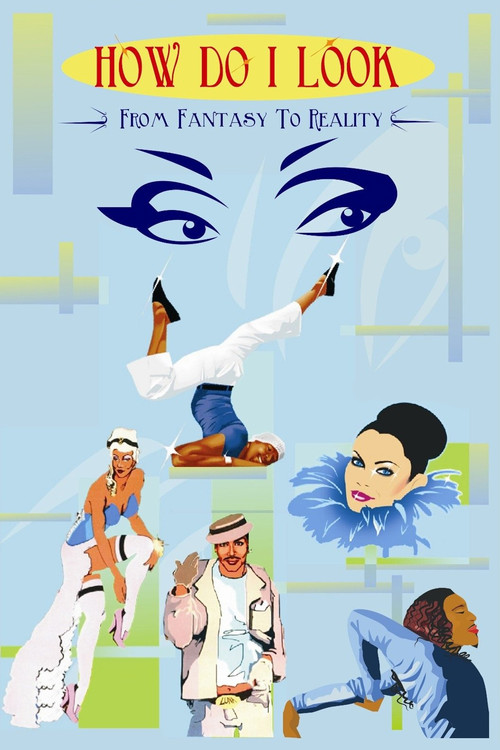
Poster for How Do I Look (2006). Never been answered.

The icons from the "Harlem Drag Balls" are influencing the biggest stars in pop culture for decades and they are telling their untold stories of their time. The creative lifestyle, fierceness and fabulousness, is the ultimate challenge in fashion, on the runway and dance floor for recognition and fame. Wolfgang Busch is capturing the creative way society's disenfranchised express themselves through movement and creativity.

Poster for We Vogue (2024), blank on post-credit scenes.

Ballroom voguing has fiercely swept across the world becoming a global phenomenon. Against the backdrop of Spain's contemporary ballroom scene, Jayce and a growing group of Black trans folks have emerged to reclaim the space.

Love is in the Legend (2022): nobody has checked the credits yet.

A documentary relating to a video of the Grand Street Ball of 1988, held by Patricia Field and the House of Field. The film explores the relationships and connections between the music and culture of the Paradise Garage with the ball culture of the mid 1980's, driven by the participants' need to belong, each working, dancing, and surviving together despite the epic sweep of larger societal conflicts of the time. They are featured in present day interviews, along side 1980's archival photography and film, and iconic music representative of the theme, bridging this piece of history to the present day by the passion that lives on.

Poster for Otherland (2018), awaiting its first vote.

A vogue dancer performs at a Voodoo Carnival Ball, an important dance contest where he will have to prove himself to be accepted by the local ballroom community. Based upon the biographical story of Elvin Elejandro Martinez.

Poster for Legendary (2020). Never been answered.

An inside look into the effort to preserve Philadelphia's ballroom scene, a black LGBTQ safe-space that has endured for 30 years.

Poster for 10s Across Viçosa - Um documentário sobre a cena ballroom na Zona da Mata Mineira (2025). Never been answered.

A documentary exploring the vibrant ballroom scene in Viçosa, Minas Gerais. Through the lives of local performers, it highlights how queer, trans, and non-binary communities create spaces of self-expression, creativity, and resilience. The film captures the energy of balls, the art of voguing, and the deep sense of community, while also examining the challenges participants face in a society that often marginalizes them. By documenting this unique subculture, the film celebrates LGBTQ+ identity, pride, and the transformative power of performance in shaping belonging and visibility.

Poster for Spogliati (2026). Never been answered.

A documentary that explores the reality of the LGBTQIA+ community through the perspective of those who, excluded from their families of origin, have built new bonds and forms of belonging. At the center of the film is the House of Windowsen, an emerging presence in the Italian ballroom scene, made up of Gian, the overall father, Morgan Sasha, and Concetta. Following their lives between Milan, Rome, and Naples, the film weaves together personal experiences and shared journeys, offering a direct portrait of ballroom culture and the dynamics of a chosen family that is atypical and non-nuclear. It is a narrative that highlights identities, relationships, and the need to create a space in which to exist.

Poster, House of Xmas (2017). Nobody has voted on this one.

In this film House Of Xmas produced by BRAVÒ NYC, directed by Aurélien Heilbronn and envisioned by Dazed we hit the streets of NYC with the city’s ball culture babes for an intimate insight into how they celebrate this time of year with the close friends that they consider family.

Privacy policy

When you vote, we save your Yes or No answer and when you voted.

We use a cookie and your internet address to recognize your vote on each movie. This prevents repeat votes. The cookie lasts for five years.

Your votes are kept as part of the movie totals.