Post-credit scenes: results for “tag: welfare”

Poster for I, Daniel Blake (2016). No votes yet on whether it has a post-credit scene.

A 59-year-old carpenter recovering from a heart attack befriends a single mother and her two kids as they navigate the impersonal, Kafkaesque benefits system. With equal amounts of humour, warmth and despair, the journey is heartfelt and emotional until the end.

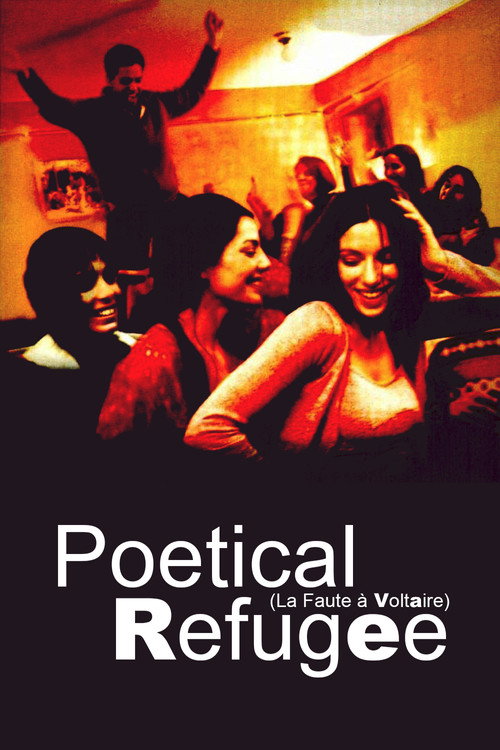
Film poster, Poetical Refugee (2001). No post-credit verdict yet.

Like a Candide dreaming of Eldorado, Jallel lands in France, hoping to try his luck. From encounter to encounter, hostel to social welfare group, Jallel will make his way through a Paris of outcasts. Although failing to achieve his hopes, he discovers and shares in the solidarity felt by the destitute.

Cover image for Pennies from Heaven (1936), not yet voted on.

Larry Poole, in prison on a false charge, promises an inmate that when he gets out he will look up and help out a family. The family turns out to be a young girl, Patsy Smith, and her elderly grandfather who need lots of help. This delays Larry from following his dream and going to Venice and becoming a gondolier. Instead, he becomes a street singer and, while singing in the street, meets a pretty welfare worker, Susan Sprague. She takes a dim view of Patsy's welfare under the guardianship of Larry and her grandfather and starts proceedings to have Patsy placed in an orphanage.

Poster, Trash (1970). Nobody has voted on this one.

The movie follows Joe, a heroin addict, throughout his quest to score more drugs. The episodic plot occurs over a single day and centers on Joe's problematic relationship with his on-off, sexually frustrated girlfriend. During the course of the day, Joe overdoses in front of an upper-class couple, attempts to fool Welfare into approving his methadone treatment by having Holly fake a pregnancy, and frustrates the women in his life with his drug-induced impotence.

The Delinquents (1989) cover. Nothing recorded about its credits.

A small town in Australia, in the late 1950s: Brownie and Lola are deeply in love. But because they are under-age, their parents are against their relationship and try to separate them.

Poster for Welfare Checks (2008), awaiting its first vote.

Joyce, her mother, and two sisters are dependent on welfare checks, like her grandmother before them. Too much of their money is wasted supporting no-good boyfriends. Joyce is determined to break the cycle but her sisters are having none of it and Mama Lottie enjoys her toy boys too much to stop writing checks that won't clear. A family of big personalities means big drama!

The Whip (2024) artwork. Still a mystery after the credits.

A full-time carer plots a daring heist from the Houses of Parliament, in a bid to thwart devastating welfare reforms known as Independence Credit.

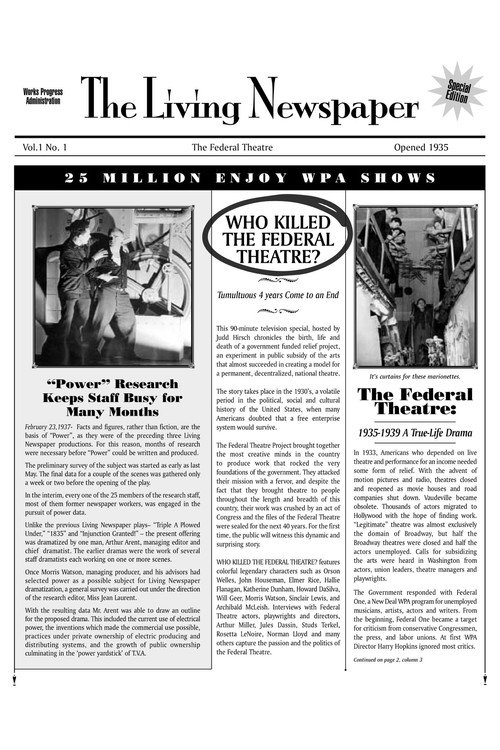
Who Killed the Federal Theatre? (2003). Nobody has said whether there is anything after the credits.

Part journalistic investigation and part performance documentary, "Who Killed The Federal Theater?" tells the story of the Federal Theatre Project within the context of a volatile period in the political, social and cultural history of the United States. The film features interview segments with playwrights, including Arthur Miller, and with actors, directors, designers, and historians. It also incorporates rare archival materials and dramatic sequences, including professionally re-created scenes from Federal Theatre productions that transport viewers back in time to a bygone era in American history and entertainment.

Vaselinetjie (2017) poster. The count is still zero.

At the age of 8, Vaselinetjie is taken away by the Welfare and send to the orphanage. It's a strange, hard, dangerous world of rebel children, fierce house mothers,friends, first loves and where she finally finds true self-acceptance.

Poster for Cotton Wool (2017), awaiting its first vote.

A single mother suffers a devastating stroke leaving her teenage daughter and 7-year-old son to care for her, testing the family's strength to hold things together as their roles are reversed.

Up Against the System (1969). Nobody has said whether there is anything after the credits.

People on welfare are rarely heard. What do they go through? How do they feel? How do concerned social and welfare workers feel about the welfare system? What is welfare supposed to do? In this film, welfare recipients and social case workers talk about the problems of being "up against the system." Part of the "Challenge for Change" series.

Privacy policy

When you vote, we save your Yes or No answer and when you voted.

We use a cookie and your internet address to recognize your vote on each movie. This prevents repeat votes. The cookie lasts for five years.

Your votes are kept as part of the movie totals.